In this episode, we dive into one of the most frequently asked questions in the flower farming world: What are the hardest flowers to grow? Whether you're a hobby gardener or a seasoned grower, you'll want to take notes on which blooms require extra patience and care.
Why Are Some Flowers Harder to Grow Than Others?
Growing flowers isn’t just about tossing seeds into the soil and waiting for magic to happen. Several factors determine how challenging a flower is to cultivate:
- Germination Difficulty – Some seeds take weeks (or even months!) to sprout.
- Labor Intensity – Certain flowers require constant care, including pinching, staking, or bagging to protect them.
- Pest and Disease Susceptibility – Some flowers attract pests or are prone to fungal diseases.
- Environmental Sensitivity – Temperature, humidity, and soil composition can make or break a plant’s success.
The Toughest Flowers to Grow (According to Experience!)
1. Dahlias
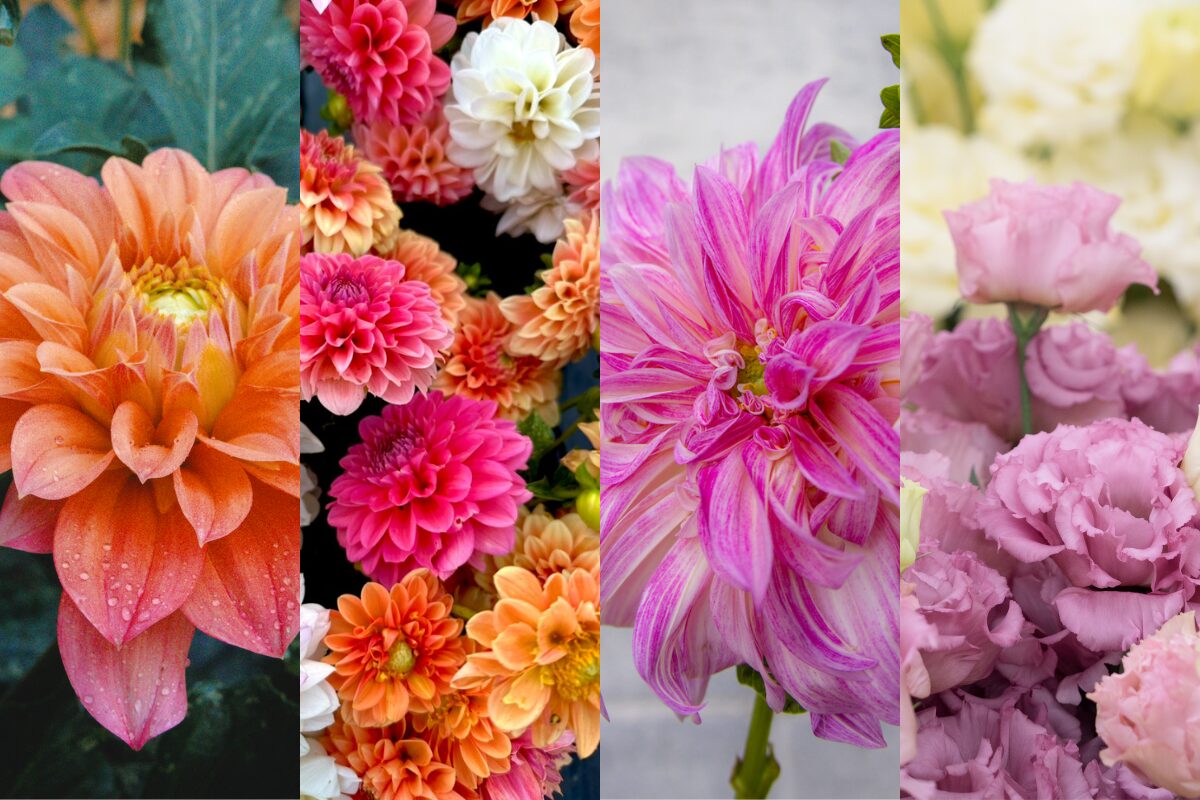
Dahlias are beloved for their stunning blooms, but they demand a serious time commitment. These flowers grow from tubers, which must be carefully stored, divided, and replanted each season. Plus, they require protection from pests and diseases, and their large blooms often need support to prevent flopping.
2. Lisianthus
Lisianthus is a florist’s favorite for its delicate, rose-like petals, but growing it from seed is no easy feat. Germination can take up to 12 weeks, requiring precise heat and light conditions. Many farmers opt to purchase plugs instead of starting from seed to ensure success.
3. Bells of Ireland
If you’ve ever admired the striking green spires of Bells of Ireland, know that they are notoriously difficult to germinate. They require cold stratification and tend to have a low success rate. Even after germination, these plants are highly sensitive to heat and drought, making them a challenge to grow in many climates.
4. Eucalyptus
Eucalyptus is a sought-after greenery, but starting it from seed is tricky. It requires high heat, bottom-watering, and a lot of patience. Even when it successfully germinates, eucalyptus grows slowly and can be fussy about transplanting.
5. Snapdragons
These vibrant flowers are a staple in many gardens, but their tiny seeds make them tricky to handle. Snapdragons require careful sowing and consistent moisture. Additionally, snapdragons need support as they grow to prevent bending and breaking.
6. Stock
Stock is another flower that demands attention from the get-go. It requires cool temperatures for strong growth and must be monitored closely for disease. Plus, growers must selectively remove weaker plants early on to ensure high-quality blooms.
Lessons from the Field
Many flowers that are considered difficult to grow are still worth the effort—if you’re prepared. The key to success is understanding each plant’s unique needs and being willing to invest time and resources into giving them the best conditions possible.
If you’re a beginner, don’t be discouraged! Some flowers are better suited for new growers, and it’s okay to leave certain tricky varieties to the experts.
If you’re moving beyond the backyard and thinking about growing these high-performance blooms for market, you might also enjoy our episode on How to Start a Flower Farm where we walk you through the firs steps of choosing crops, planning your growing space, and getting your farm off the ground.