
Spring has a way of making us want to do everything at once.
The sun comes out, the garden starts waking up, and suddenly every dried stem, fallen leaf, and brown patch feels like something we should clear away immediately. But one of the biggest mistakes we can make in spring is assuming that everything that looks dead is dead.
It isn’t.
And when we rush into a full spring garden clean-up too early, we can accidentally remove living plants, disrupt beneficial insects, expose our soil, and create more work for ourselves later in the season.
In this episode of The Flower Files, we’re breaking down how to approach spring clean-up with more intention so we can support the health of our plants, protect pollinators, and build a stronger garden for the season ahead.
Spring Cleanup Is Not a Reset Button
It’s easy to think of spring clean-up as a fresh start. We want to tidy everything, cut everything back, spread mulch, and make the garden look finished.
But gardens are not blank slates.
They are living systems, and all that “mess” we see in early spring often has a purpose. Dried stems can protect new growth. Fallen leaves can insulate the soil and feed soil life. Hollow stems can shelter native bees and beneficial insects.
Instead of asking, “What can we remove?” it helps to ask, “What is this plant or material doing for the garden right now?”
That shift alone changes the way we garden.
What to Cut Back in Spring
There are definitely plants we can cut back in spring. The key is knowing which ones are truly finished and which ones still need time.
Dead Annuals
If annuals like zinnias, sunflowers, basil, or cosmos are brown, crispy, and clearly done, they can usually be cut back at the base.
But before removing them completely, it’s worth checking whether they dropped seed. Sometimes those “messy” annuals are actually giving us free plants for the coming season.
One simple option is to clip the dead material into smaller pieces and let it break down in place under a light layer of mulch. That returns organic matter to the soil and keeps the system working for us.
Diseased Plant Material
This is the exception to the gentle approach.
If plants showed signs of powdery mildew, blight, rust, or another disease, those stems and leaves should be removed from the garden. Diseased material should not be composted unless we know our compost system gets hot enough to kill pathogens.
When disease is involved, spring clean-up should be more aggressive. Leaving infected material in place risks reintroducing the problem right back into the garden.
Perennials That Like a Hard Reset
Some perennials respond well to a strong cutback in spring. Plants like black-eyed Susans, bee balm, and phlox often benefit from being trimmed down to about 2 to 4 inches above the ground.
This kind of cutback helps clear the way for fresh growth and can reduce disease pressure as the season gets going.
Ornamental Grasses
Ornamental grasses should be cut back before new green growth gets too tall.
Once those fresh shoots start pushing, trimming becomes much messier and can damage the plant’s new growth. A close haircut in early spring gives grasses the cleanest start and keeps them easier to manage.
If you grow ornamental grasses, timing matters here. Wait too long, and the job gets harder fast.
What to Leave in the Garden During Spring Cleanup
This is where many gardeners get tripped up.
A tidy garden might look nice, but a garden that is too tidy can actually be less healthy, less resilient, and less supportive of pollinators.
Hollow Stems
Plants with hollow stems — including echinacea, black-eyed Susans, and Joe-Pye weed — can provide shelter for native bees and other beneficial insects.
Cutting those stems too early may destroy overwintering habitat before those insects have emerged.
If we need to tidy them, it’s better to cut them in stages rather than removing everything at the base all at once. Leaving some sections standing helps protect the life already using those stems.
Leaf Litter
Leaf litter is not just debris. It protects soil structure, holds moisture, feeds soil biology, and shelters insects and worms.
In many cases, instead of removing all the leaves, we can thin them out, move them where needed, or simply mulch on top of them. That gives us a cleaner look while still preserving the benefits they offer.
One note: pine needles behave differently than deciduous leaves and can affect soil pH more noticeably, so it’s smart to keep an eye on that through soil testing.
Late-Starting Perennials
Some perennials are just slow to wake up.
Butterfly weed, hibiscus, and even established crepe myrtles can be late starters in spring. Before assuming a plant is dead, give it time.
A quick scratch test can help. Scratch the stem or branch lightly with your nail. If there is green tissue underneath, the plant is still alive. If the stem bends and stays flexible rather than snapping cleanly, that is another good sign.
Patience is part of spring gardening.
The 50-Degree Rule for Spring Garden Clean-Up
One of the best ways to time spring clean-up is to wait for consistent 50-degree temperatures before doing a heavy cutback.
That is when beneficial insects begin emerging, soil biology becomes more active, and plants start growing more steadily.
Cleaning up too early can interrupt the garden mid-transition. Waiting a little longer allows us to work with the season instead of forcing it.
The garden will tell us when it’s ready. We just have to pay attention.
How to Clean Up Your Garden Without Setting It Back
A good spring clean-up is less about doing everything at once and more about moving through the garden with intention.
Clean in Passes
Instead of one massive clean-up day, work in sections.
Start small. Observe. Come back for a second pass later.
This gives us time to notice what is truly ready to be cut back and what still needs a little longer.
Work From the Soil Up
Before we cut anything, it helps to look at the soil.
Is it compacted? Soggy? Dry and crumbly?
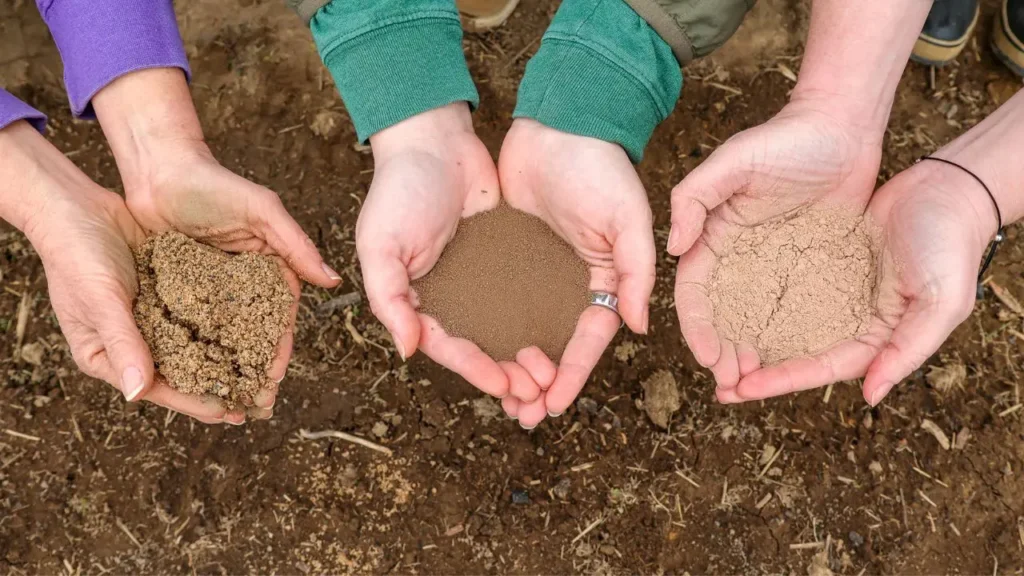
Spring clean-up is not just about plants. It is also a chance to assess soil health and support what the garden needs most.
Replace What You Remove
Every time we remove plant material, it’s worth asking what we are putting back.
A simple layer of 1 to 2 inches of compost topped with a light mulch can do more for long-term garden health than many quick-fix fertilizers. Compost improves soil structure, feeds biology, and supports steady growth from the ground up.
Don’t Over-Tidy
This may be the hardest lesson of all.
We all love a clean-looking garden, but a garden with some natural mess is often healthier. It holds moisture better, supports pollinators, and creates a more resilient ecosystem.
A little wildness is not failure. It is function.
Common Spring Cleanup Mistakes to Avoid
If we want a healthier garden this season, these are the mistakes worth avoiding:
- Cutting everything back too early
- Raking soil completely bare
- Pulling plants before giving them time to emerge
- Over-tilling
- Applying fertilizer without understanding the soil first
- Trying to make the garden look finished too early in the season
Your garden is not behind.
It is waking up on its own timeline — one shaped by temperature, moisture, light, and soil conditions, not by our calendar.
When we slow down and pay attention, we usually get better results with less effort.
From Spring Cleanup to Stronger Blooms
A thoughtful spring cleanup sets the tone for the whole season — but if we really want stronger stems, healthier plants, and better blooms, we have to start with the soil.
That’s exactly why we created Soil Made Simple — a no-overwhelm soil guide for cut flower growers who want to understand what matters, skip what doesn’t, and feel more confident in every growing season.
If you’re ready to stop guessing and start growing with more clarity, grab Soil Made Simple and get instant access today.
And here is a button-ready CTA line you can place directly under the paragraph:
Get Soil Made Simple
A beginner-friendly soil guide for cut flower growers who want healthier plants and better blooms — without the chemistry class.