How to Start a Flower Farm
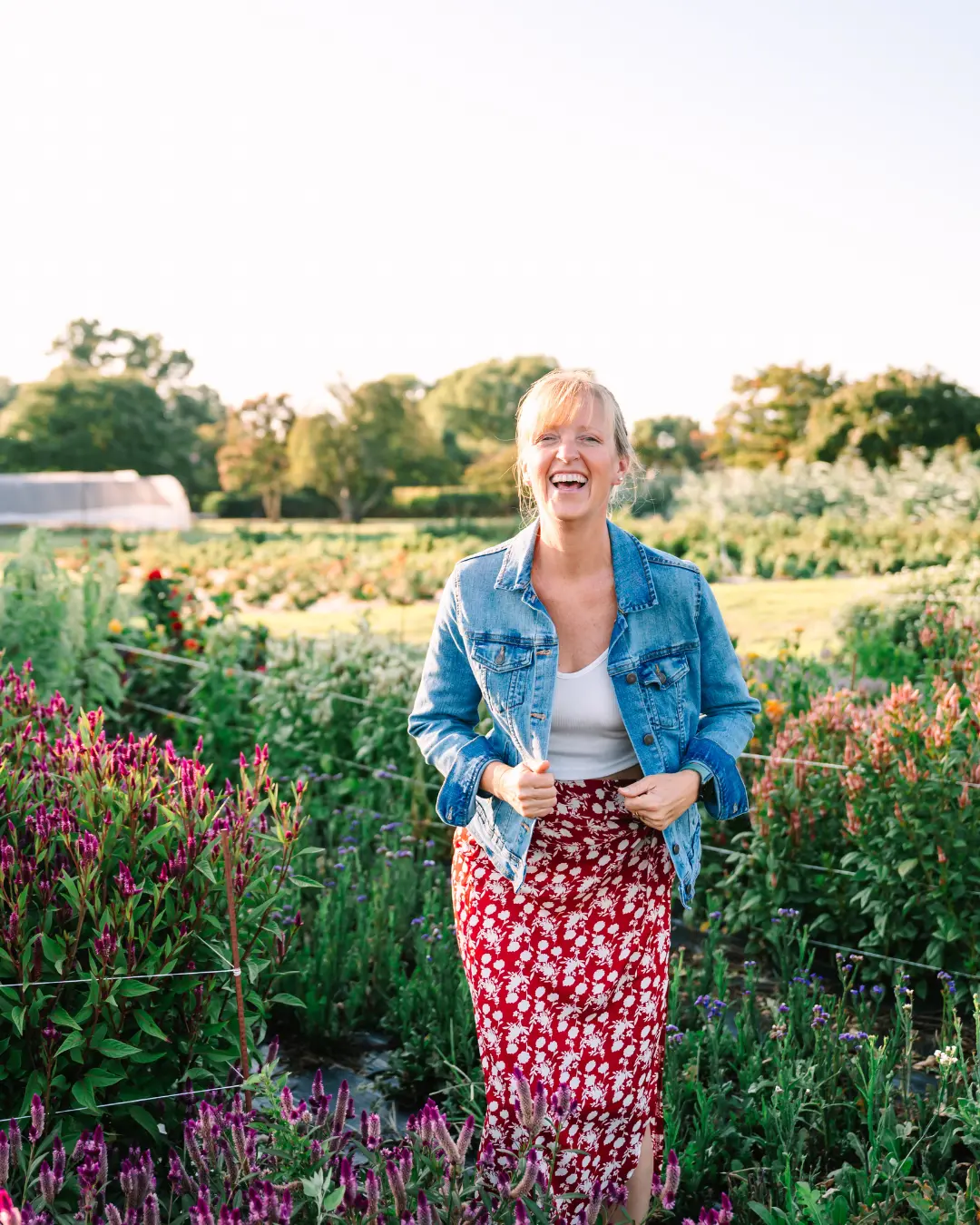
People ask me this constantly. At market, in the DMs, in the middle of a wedding consultation. How did you start a flower farm?
The honest answer is that it was never really about the flowers. It was about working out what I was growing, who I was growing it for, how I was going to sell it, and how any of that turned into something that paid for itself.
So this is the whole thing, in the order it actually happens: deciding what you are selling, starting small, choosing crops that earn their space, building your soil, starting seed, managing weeds and water, harvesting, selling, running it like a business, and working out what is actually making you money.
Some of it is what I did. A lot of it is what I would skip. All of it is what I wish someone had told me before I spent a season learning it the hard way.
This started as a conversation. Episode 49 of The Flower Files is where Lizzy and I talked through how we actually began, and everything below grew out of it.
Before you plant, decide where the flowers are going.
Before you order a single seed, work out where those flowers end up. Not roughly. Specifically.
Farmers markets, a farm stand, florists, weddings, subscriptions, wholesale, straight to customers, dried, value-added, edible. Each one wants a different mix, at different times, in different quantities. A wedding florist and a market grower can be growing almost nothing in common.
I got this wrong at the start. I was completely certain I was starting a wholesale operation. Grow at scale, sell the stems, done. The market had other ideas. It turned out people did not want my flowers, they wanted the flowers Lizzy and I had put together.
That pivot is the reason the business looks the way it does now. So listen to what your market is actually asking for. It is better information than your plan.
From Seed Bed to Sales Floor: The Journey of a Flower
Episode 105
Want to turn your flower garden into a reliable income stream? In this episode of The Flower Files, we walk through the entire system—from planning your seed beds and building a sales mix to harvesting, bouquet recipes, and beginner-friendly sales channels. If you’ve ever grown beautiful flowers but struggled to actually sell them, this guide is for you.
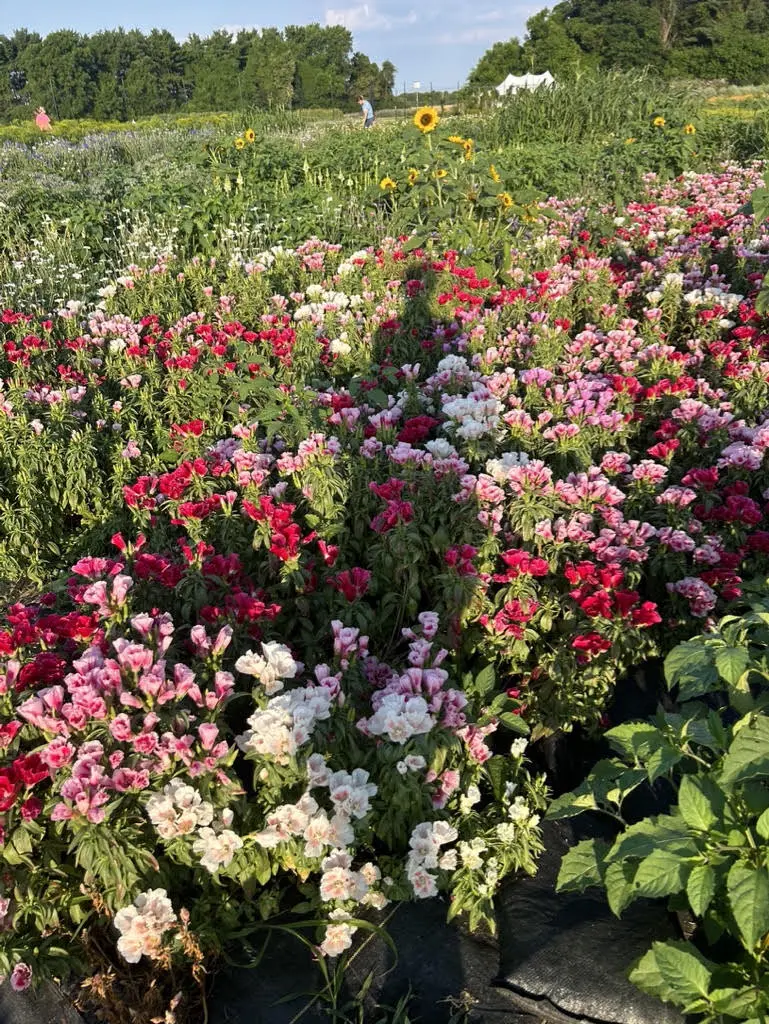
How to Start a Flower Farm
Episode 49
People ask me all the time how we got started. The real answer involves a margarita, a thousand seeds, and about four different kinds of mulch before I found one that worked. Here’s what I’d tell you if you were sitting in my kitchen.
You do not need acres to start.
A smaller growing space lets you learn crop timing, harvesting, succession planting, what your customers actually want, and how selling works, without an enormous bill for the privilege.
Starting small does not mean thinking small. It means learning your system before you scale it.
I started with about a thousand seeds in 2016, purely to see what it was like. It felt like a lot when I was holding the packets. It is not a lot when you are trying to fill a market stand every week.
The mistakes are the tuition. I bought a small hoop house, put it up, and then realised I had sited it too far from everything else. So I dug it up and moved it. By myself. Just try to make sure your mistakes are the cheap kind.
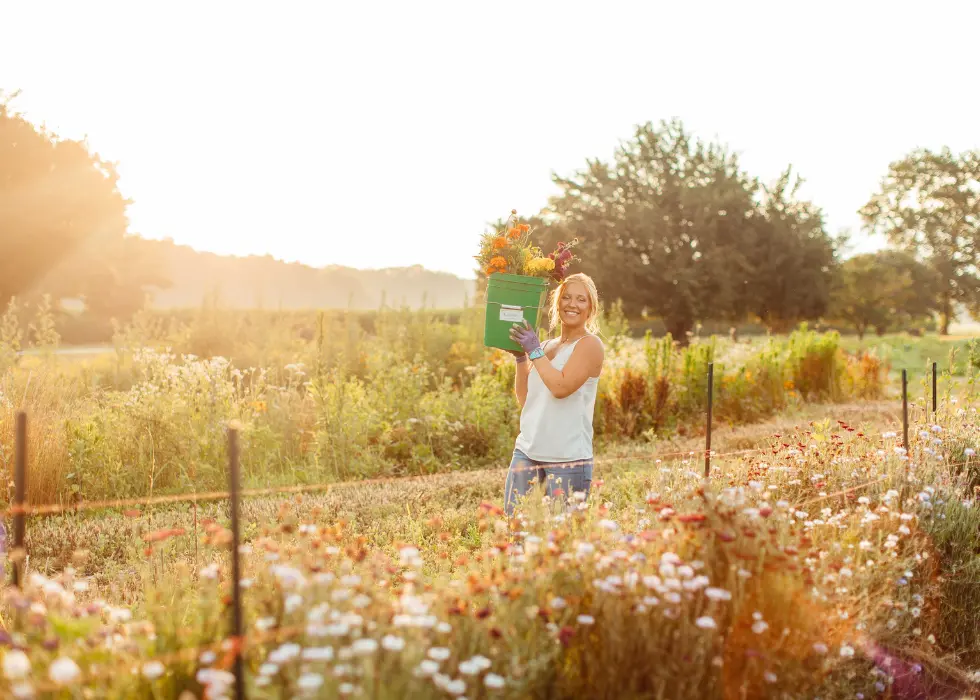
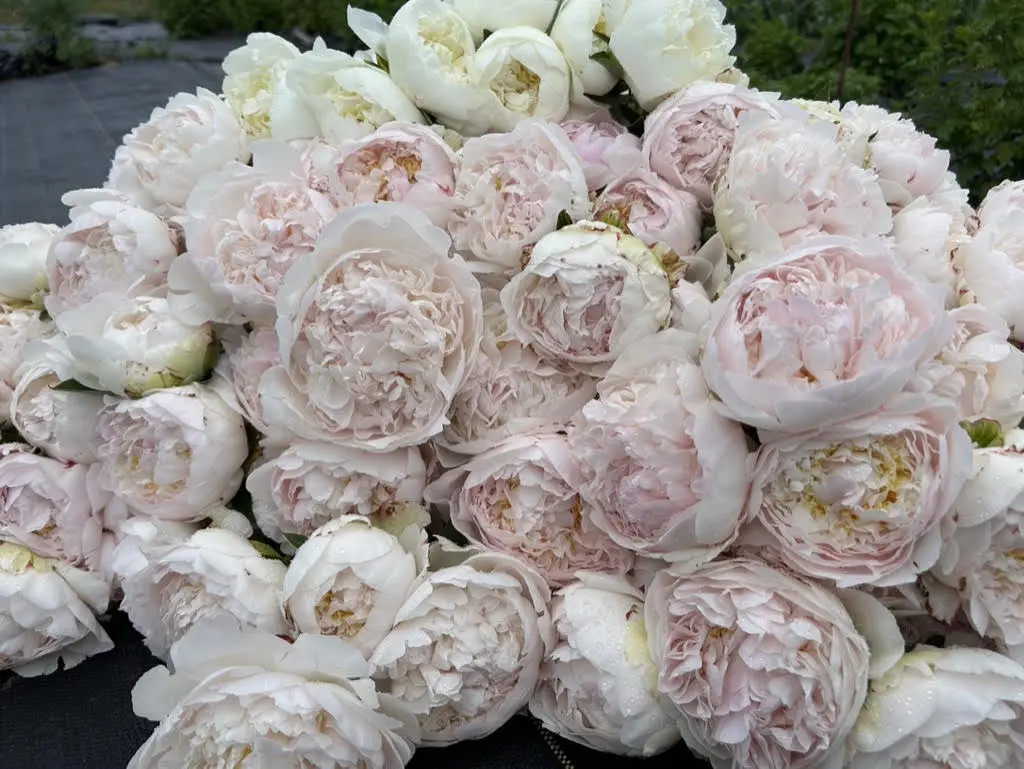
Starting a Flower Farm: Is the Life You Want Hidden in a Handful of Blooms?
Episode 82
We believe that sometimes, the life you’re looking for is closer than you think—maybe even hiding in a handful of blooms. In this episode, we talk about how growing flowers with our kids led to deeper connection, new income streams, and a thriving flower farm we never saw coming. It all starts with one small step.
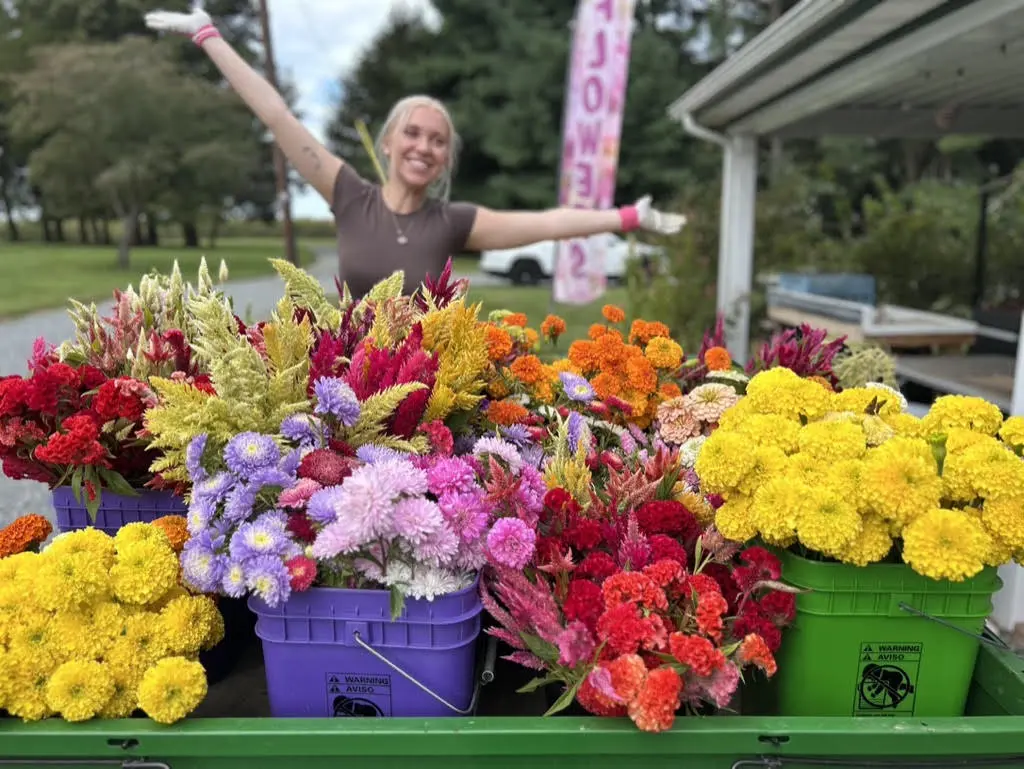
Starting Late, Starting Small, or Starting Over In the Garden Is All Okay
Episode 99
Let’s get real and talk about the beauty (and the power) of starting late, starting small, or starting over. No matter where you are in your gardening journey, you are not behind! You’re simply beginning where you are, and that’s enough.
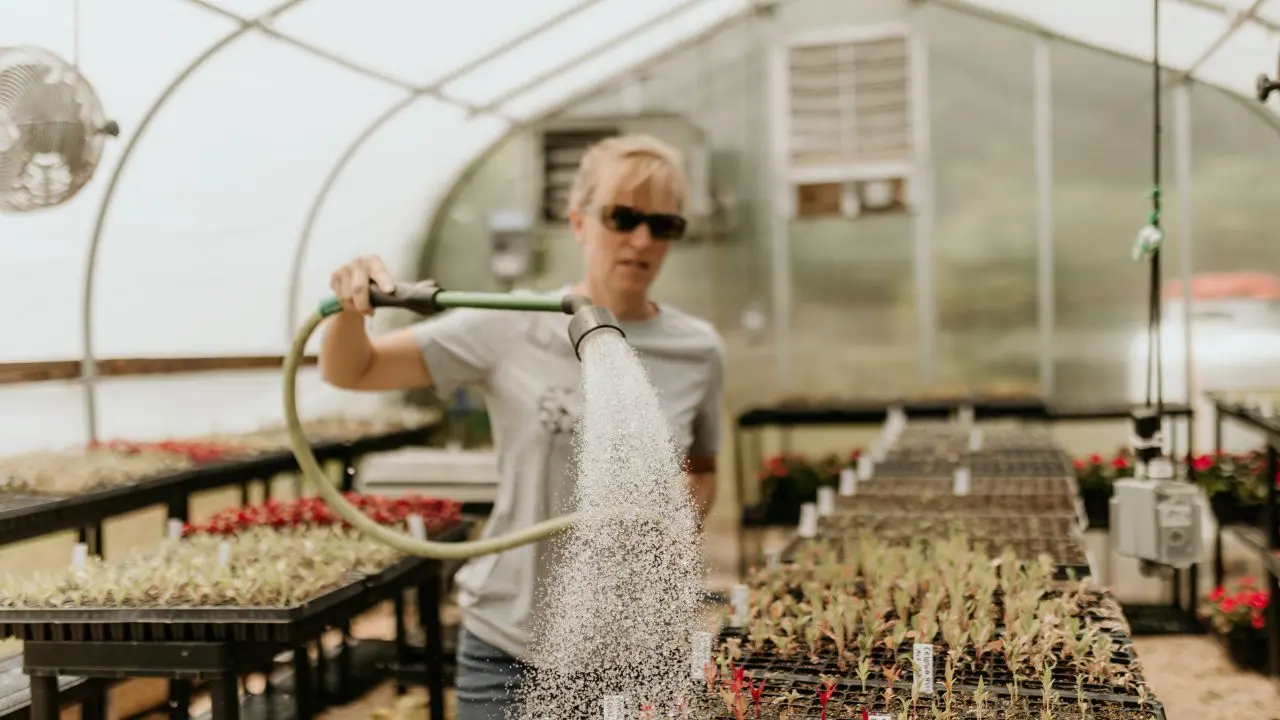
What I Wish Someone Had Taught Me Before I Started Flower Farming
Episode 121
Building a successful flower farming business takes more than growing beautiful flowers. In this behind-the-scenes episode, we share the lessons we’ve learned about pricing, scaling, profitability, and why we’re creating practical courses to help aspiring flower farmers avoid the mistakes we made.
Do not grow something just because it is pretty.
Before you give a crop valuable growing space, ask what job it is going to do. Is it a focal flower? A bouquet workhorse? An accent, a filler, greenery? A premium crop, a dried product, something your customers ask for by name?
The best crop is not the prettiest flower. It is the one that fits your climate, your system, your customers, your labour and how you sell.
Your first flowers should be the ones most likely to succeed, not the ones you are most excited about. Success does two things at once. It builds revenue, and it builds the confidence and infrastructure you need before you take on the harder crops.
We did not grow dahlias for years. We did not grow lisianthus for years. There is a whole list of things we deliberately left alone. I was careful with sunflowers early on because our deer pressure is serious, and I was not doing this as a hobby where it does not matter if a few get taken. I did not have room for that mistake.
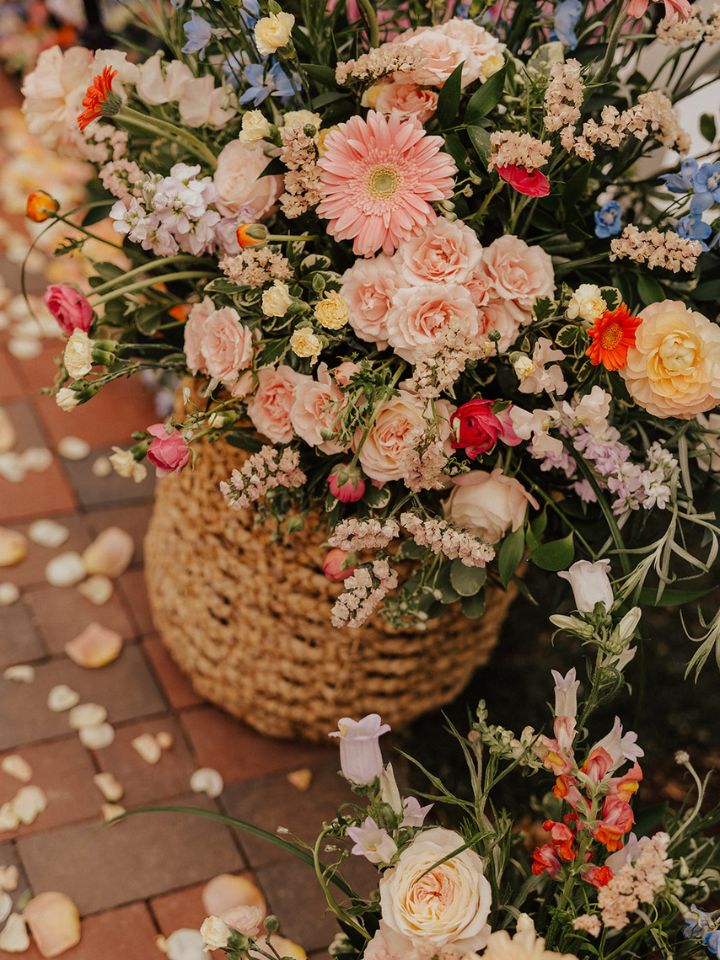
Our Top Cut Flower Varieties
Choosing the right cut flowers can transform your garden or floral arrangements. In Episode 46 of The Flower Files, we dive into our top cut flower varieties for spring, summer, and fall. From the vibrant hues of tulips and dahlias to the dramatic textures of celosia and amaranth, discover our must-grow favorites and why they shine in every season. Don’t miss our free guide to the top 10 cut flowers – perfect for growers and florists alike!
What are the Hardest Flowers to Grow?
Everyone can tell you dahlias are demanding. Nobody tells you about washing 450 tubers in December with hands that stopped working an hour ago. Here is what actually goes wrong, and which flower beat us in the end.
Seasonal Cut Flower Varieties: What to Grow, When, Why (and What to Skip)
When you're staring down a stack of seed catalogs or scrolling endlessly through dreamy garden inspiration, it’s easy to feel overwhelmed by the choices.
Everything starts below ground.
Before you spend heavily on plants, understand what you are planting into. Your soil type, your drainage, your organic matter, and what it is going to need from you.
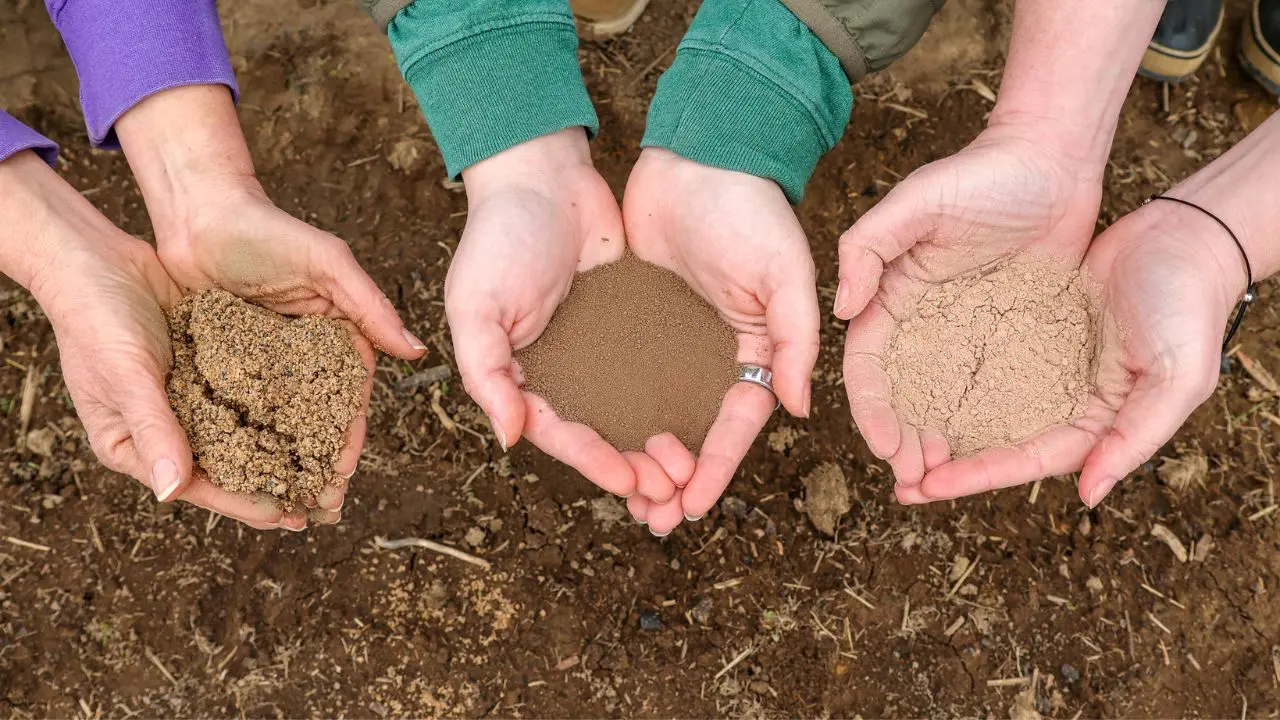
Here is what nobody tells you: your soil can change completely within a hundred feet. On our farm we are close to the Bay and one section is heavy clay so dense you could throw a pot with it. Walk further out back and it is sandy, almost like being at the beach. Same farm, two entirely different problems.
We put down somewhere around two and a half tons of amendment last season. Mushroom soil and sand, spread with a tractor scoop and a manure spreader. That is not a one-time job, it is every year.
If you do one thing before ordering seed, get your soil tested. Your local extension office will usually do it, and the people there genuinely love talking about this. Amending blind is expensive.
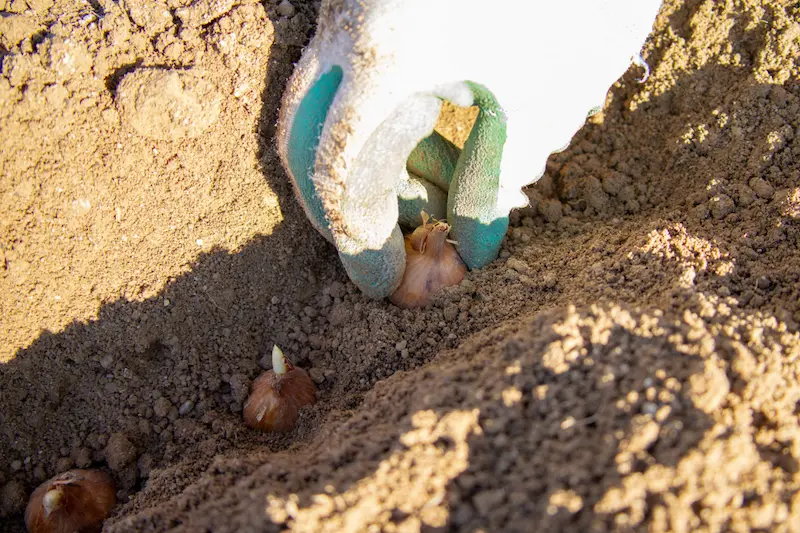
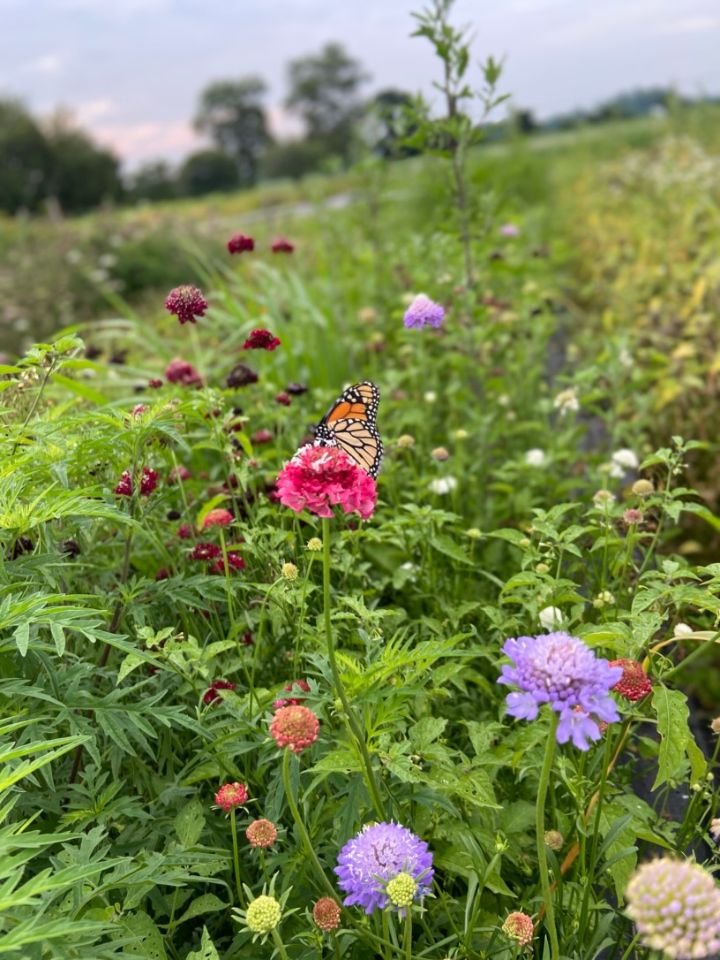
Beneath Our Feet: Why Soil Conservation Matters
Episode 131
I have said publicly that cover crops do not really work on our farm. Our turnover is too fast and I like leaving seed heads standing for the birds. This year I am doing it anyway. In Episode 131, I sat down with Jenny from our soil conservation district to work out which cover crop to use, how to kill it without spraying, and whether the whole plan is sound.
Soil Myths That Are Costing You Blooms
Episode 106
In Episode 106 of The Flower Files, we dig into the soil myths that may be quietly costing you blooms, money, and confidence. From nitrogen-heavy fertilizer to compost overload and drainage issues, this episode breaks down what is really happening below the surface and how to grow with more intention.
What Does It Mean to Amend Your Soil?
Episode 102
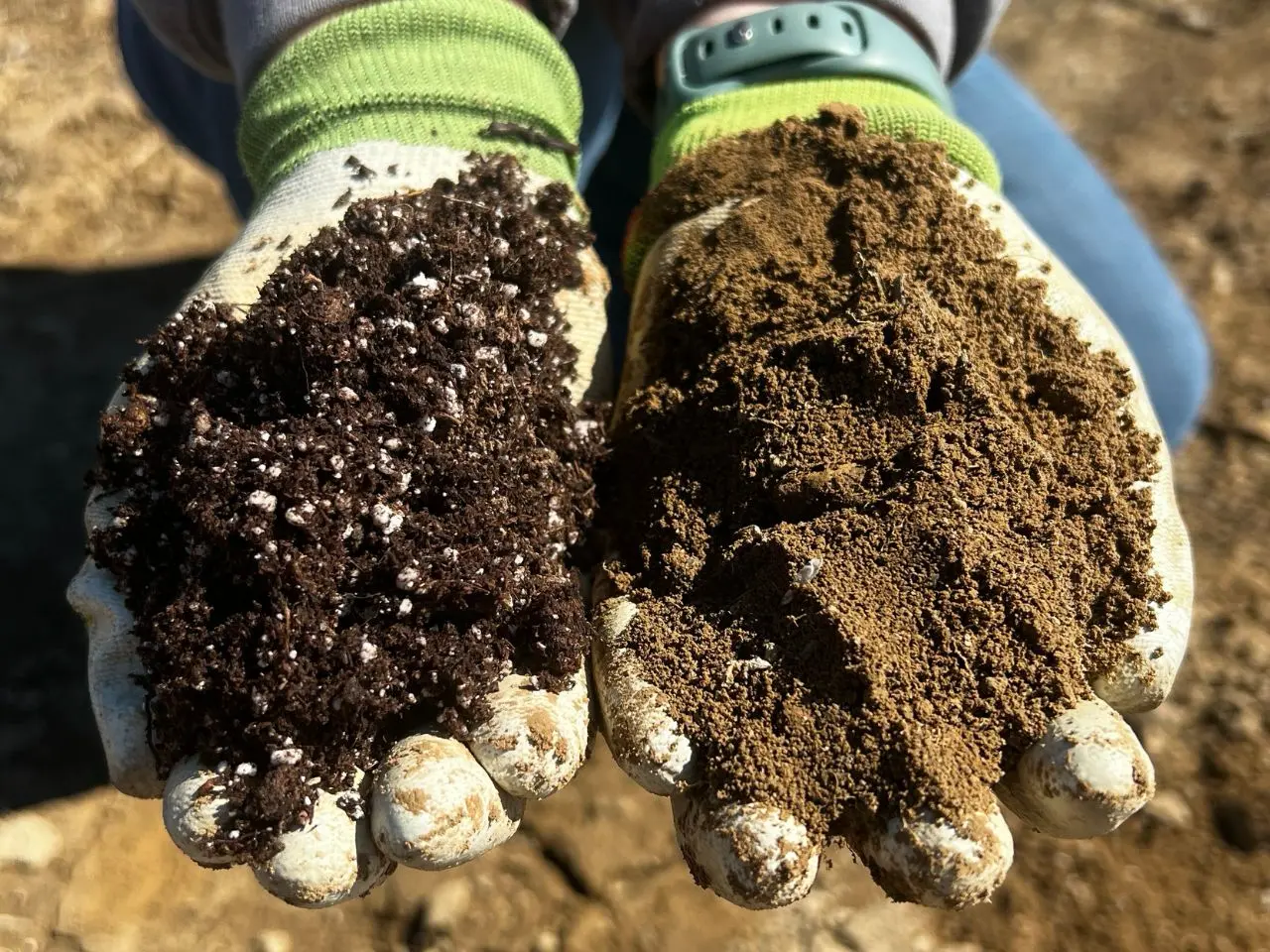
Soil amendments aren’t magic fixes — they’re support tools for healthy garden soil. In this episode, we explain organic matter, minerals, nutrient amendments, and compost so you can stop guessing and start growing with confidence.
Seed starting is more than germination.
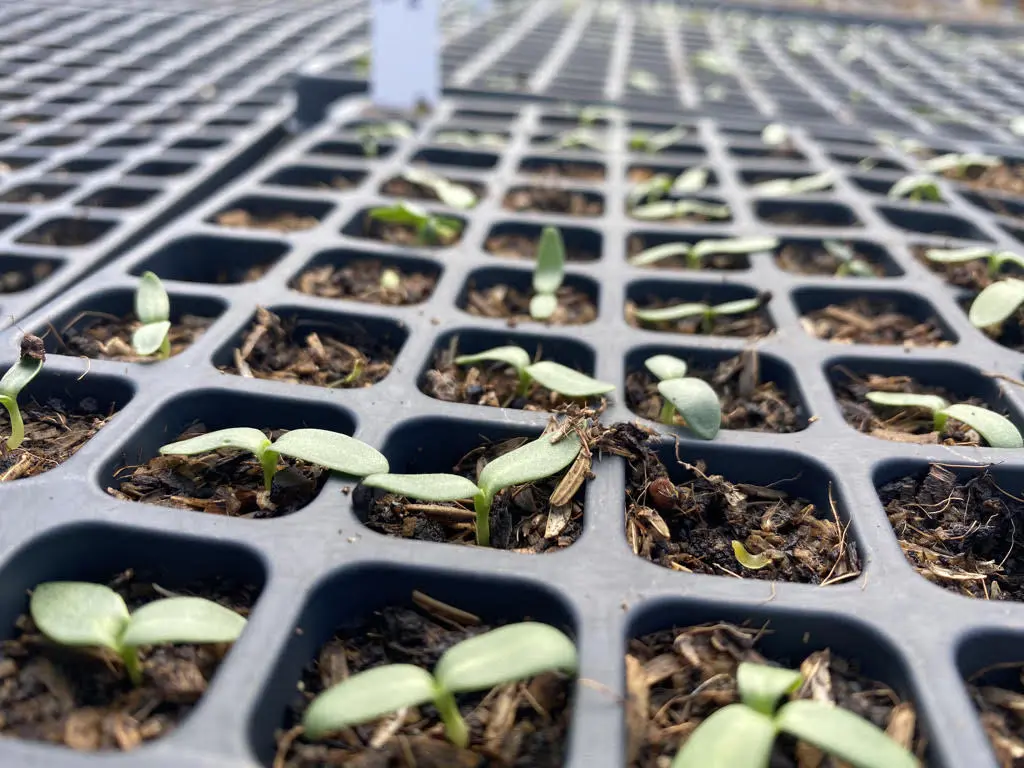
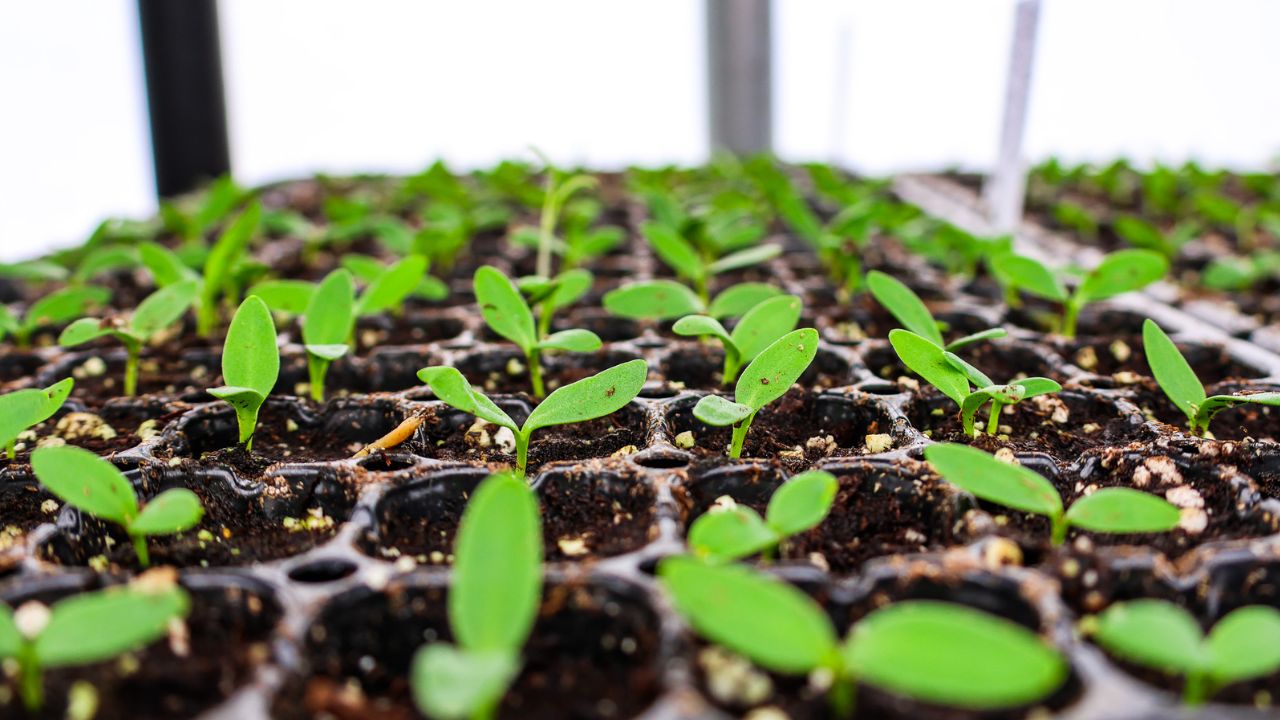
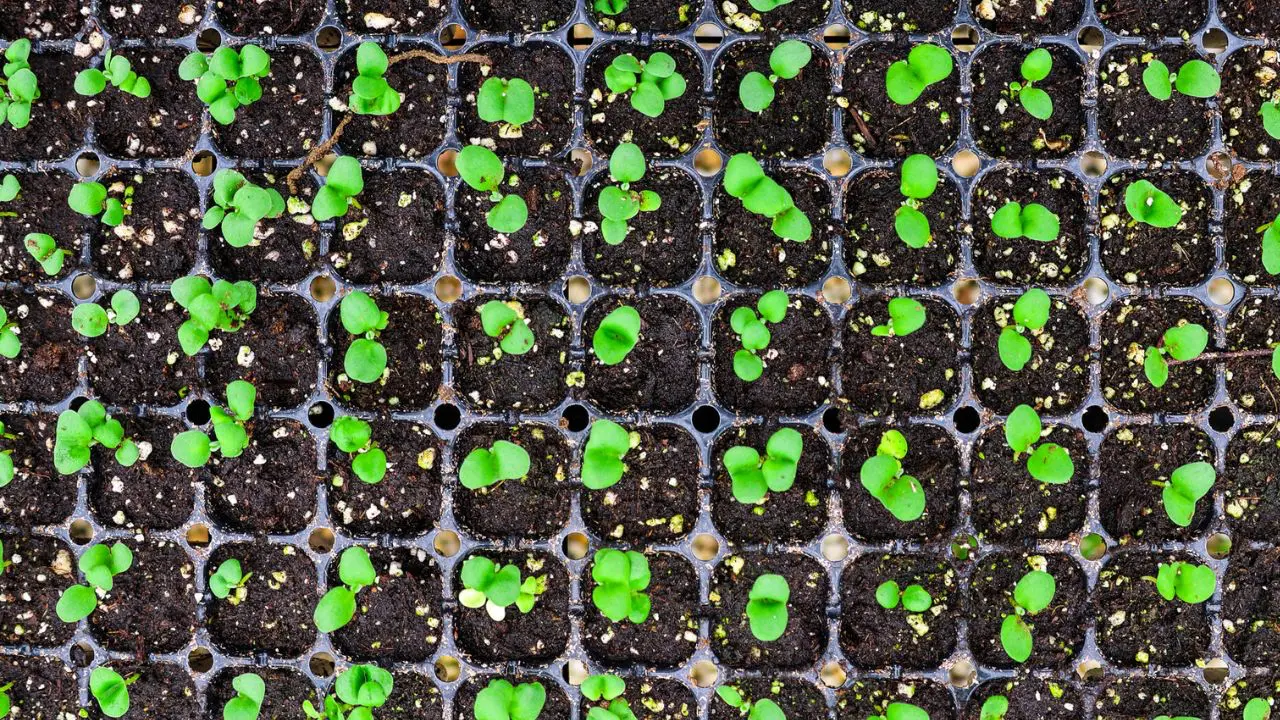
Starting from seed means understanding timing, days to maturity, what each seed needs to germinate, spacing, succession, quantities, and how every crop fits the plan around it.
Some seeds want light and have to sit on top of the soil. Some want bottom heat. Some take twelve weeks and are not worth the greenhouse space, which is why we buy lisianthus as plugs rather than starting it ourselves.
The number people underestimate most is quantity. Not how many seeds, how many plants you need in the ground on a given week to fill a given order.
Seed Starting 101
Episode 54
Starting flowers from seed is an exciting way to grow unique varieties while saving money. In this post, we break down the essential steps for successful seed starting, from choosing trays to watering techniques. Read on for expert advice from The Flower Files!
Behind the Seed Carousel: Seed Supply Insights
Episode 123
Explore how seeds are sourced, tested, packaged, and shipped, why some varieties cost more than others, how seed shortages happen, and what growers can do to plan ahead. If you've ever wanted a deeper appreciation for the work behind every bloom, this conversation offers an inside look at the people, processes, and expertise that help make every growing season possible.
Planting Seeds of Success – Park Seed
Episode 122
We’re digging into the world of seeds with the team behind Park Seed, GeoSeed, and Twilley. From hard-to-find cut flower varieties to plugs, liners, catalogs, and industry trends, this conversation is packed with insight for flower farmers, gardeners, and growers.
Our Story
That is the roadmap, and here is what it actually looked like for me at Wildly Native Flower Farm.
It started with a margarita, honestly. I was out to dinner with my friend Cindy King and she said, why don't you grow flowers? And I sat there thinking, why on earth have never considered that?
So I said, you know what, I can do that.
If you would rather hear it than read it, this is the conversation the whole guide came out of.
2016
Grew flowers for the first time, about a thousand seeds, purely to see what it was like
2017
Incorporated, made it official, still teaching full-time!
2017
Incorporated, made it official, still teaching full-time!
During COVID
Left teaching and went all in.
Now
Coming up on ten years, still reinvesting, still checking four weather apps.
Frequently Asked Questions
What equipment do I need to start a flower farm?
Start with the basics: irrigation, something to prepare beds, seed-starting supplies, harvesting tools and somewhere to hold flowers after cutting. Add bigger infrastructure when the business shows you it needs it, not before.
Should I find customers before planting?
At minimum, know who you are growing for. A wholesale grower, a wedding florist and a market bouquet grower need very different crops, so the customer decides the plan.
What is the biggest mistake new flower farmers make?
Growing first and working out the selling afterwards. Decide the customer and the channel, then build the crop plan around them.
About The Flower Files
The Flower Files is a flower farming and cut flower gardening podcast hosted by Liza Goetz of Wildly Native Flower Farm. Every week Liza shares what actually works, from growing and harvesting to selling flowers and building a business around them.