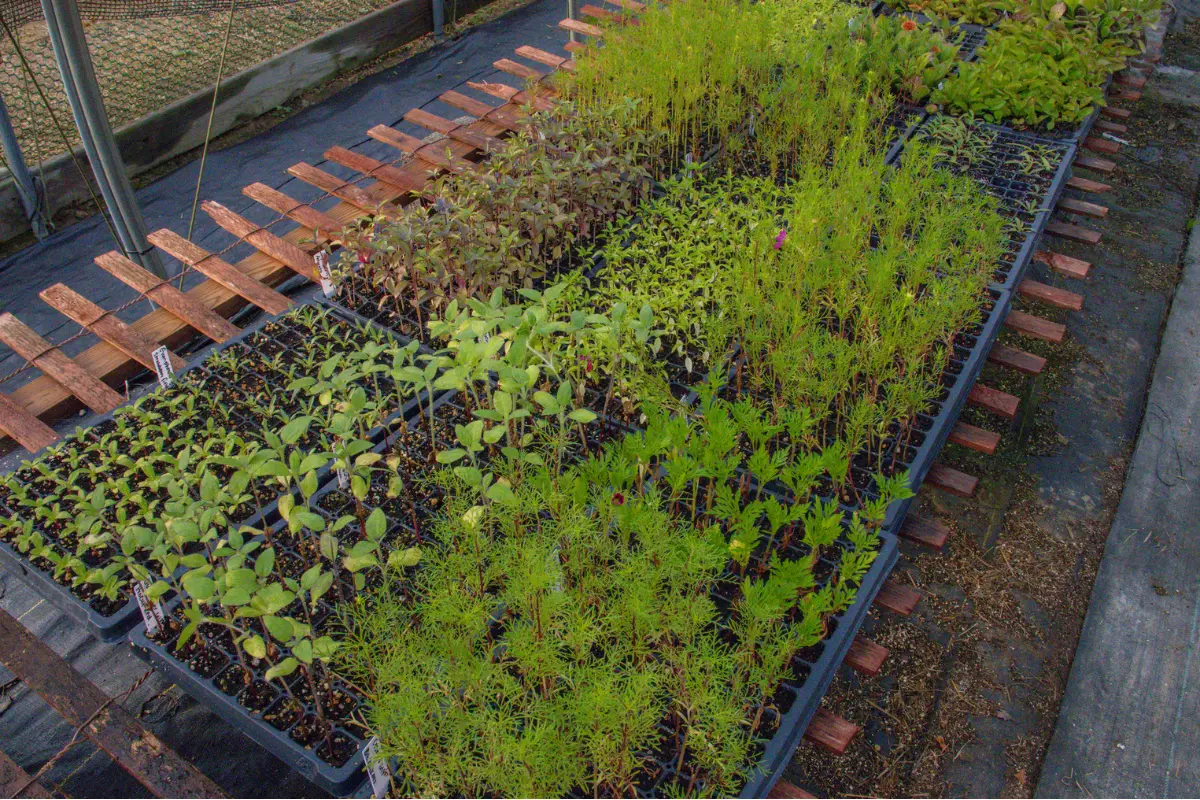
Seed Packet Terms Explained: How to Read Seed Packets Like a Flower Farmer
Every growing season begins with something incredibly small—a single seed.
Whether we're growing flowers for our backyard, supplying bouquets at the farmers market, or planting acres for a flower farm, every successful crop starts long before the first seed touches the soil. It starts with understanding the information on the seed packet.
At first glance, seed packets can feel overwhelming. Alongside beautiful photos are terms like F1 hybrid, germination percentage, pelleted seed, days to maturity, photoperiod, and vernalization. If you've ever wondered what all of that actually means, you're not alone.
The good news? Once you understand the language of seed packets, you'll make better purchasing decisions, avoid costly mistakes, and grow with much more confidence.
Let's break it all down.
Look Beyond the Picture
It's easy to fall in love with the photo on the front of a seed packet.
We've all done it.
But professional growers look past the picture and focus on the details that determine whether a crop belongs in their growing plan.
Some of the first things we look for include:
- Variety name
- Days to maturity
- Germination percentage
- Plant height
- Plant spacing
- Growing requirements
These details help us determine whether a variety fits into our production schedule and whether it's worth dedicating valuable greenhouse or field space.
What Does "Days to Maturity" Mean?
One of the most valuable pieces of information on any seed packet is days to maturity.
This tells us approximately how long it takes for a crop to grow from planting until harvest under normal growing conditions.
While weather, climate, and growing practices all influence timing, days to maturity helps us work backward from important harvest dates.
If we need flowers blooming for weddings, markets, or special events, this number becomes one of our best planning tools.
Understanding Germination Percentage
A common misconception is that a packet labeled 90% germination guarantees that 90% of your seeds will sprout.
Not exactly.
That percentage reflects results under carefully controlled testing conditions.
Real-world germination depends on factors like:
- Temperature
- Moisture
- Air circulation
- Soil conditions
- Light
- Overall greenhouse management
The germination percentage tells us about seed quality—not a guarantee of what will happen in our own growing space.
F1 Hybrid vs. Open-Pollinated vs. Heirloom Seeds
One of the biggest sources of confusion for new growers is understanding different seed types.
F1 Hybrid Seeds
F1 hybrids are produced by crossing two carefully selected parent plants.
Plant breeders spend years developing these varieties to improve characteristics like:
- Disease resistance
- Stem strength
- Uniform growth
- Better color
- Improved productivity
Because of the years of breeding involved, hybrid seed often costs more—but many commercial growers find the consistency worth the investment.
Open-Pollinated Seeds
Open-pollinated varieties reproduce naturally and generally grow true from saved seed.
If you save seed from these plants and replant it the following season, you're much more likely to grow plants that closely resemble the parent.
They're a favorite among gardeners who enjoy seed saving.
Heirloom Seeds
Heirloom varieties are older open-pollinated plants that have been preserved through generations.
Many come with fascinating histories and offer unique colors, flavors, or flower forms that have stood the test of time.
Why Some Seeds Are Pelleted
Have you ever opened a packet of lisianthus or snapdragon seed and noticed the seeds looked much larger than expected?
You're probably holding pelleted seed.
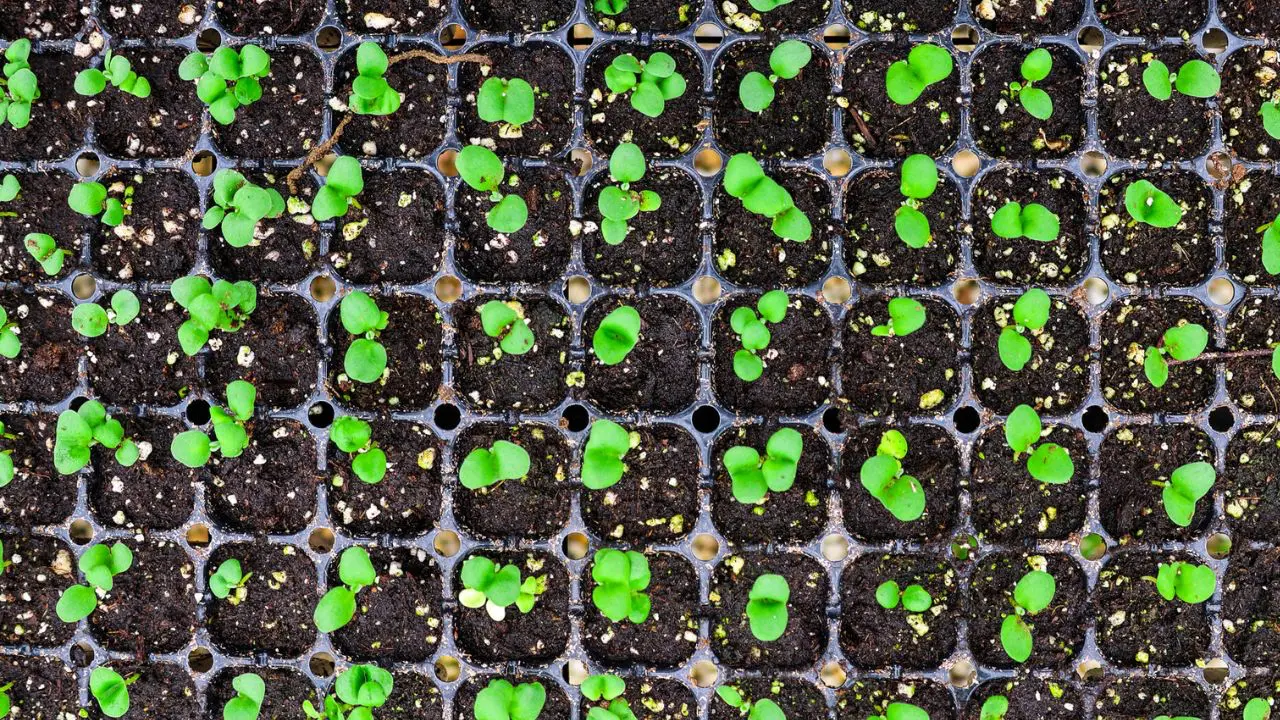
Tiny seeds are coated with natural materials like clay or diatomaceous earth to make them easier to:
- Handle
- Space evenly
- Plant accurately
- Use in automated seeders
Once watered, the coating dissolves, allowing the seed to germinate normally.
For growers planting hundreds—or thousands—of trays, pelleted seed can be a tremendous time saver.
What Is Primed Seed?
Primed seed has been partially activated before packaging.
The germination process has begun—but stopped just before the root emerges.
This gives seeds a head start, often resulting in:
- Faster germination
- More uniform emergence
- Better overall establishment
The tradeoff?
Primed seed generally has a shorter storage life, making proper timing especially important.
Coated Seed vs. Treated Seed
Although they're sometimes confused, coated and treated seeds serve different purposes.
Coated seed often includes a thin layer that improves handling or adds materials like fertilizers or beneficial microorganisms.
Treated seed includes protective products designed to reduce early disease or insect problems during germination.
Understanding these differences helps you make informed decisions based on your growing practices and personal preferences.
Other Seed Packet Terms Worth Knowing
Seed catalogs often contain additional terminology that becomes easier to understand once you know the basics.
Some common examples include:
Direct Sow
Seeds are planted directly into the garden rather than started indoors.
Transplant
Seeds are started elsewhere before being moved into the garden or field.
Annual
Completes its entire life cycle in one growing season.
Perennial
Returns year after year.
Biennial
Produces vegetative growth during the first year and flowers during the second.
Pinching
Removing the growing tip to encourage branching and produce more stems.
Vernalization
Some plants require exposure to cold temperatures before flowering successfully.
Photoperiod
The amount of daylight a plant receives, which influences flowering in many species.
Bolting
A plant rapidly flowers due to environmental stress, often heat.
Why Some Seeds Cost More Than Others
Seed prices can vary dramatically.
The difference isn't random.
Many premium flower varieties require years of breeding, extensive trialing, specialized seed production, cleaning, storage, testing, and quality control before they ever reach a catalog.
Tiny-seeded crops like lisianthus and snapdragons often require significantly more labor than larger-seeded flowers like sunflowers or zinnias.
When you purchase quality seed, you're investing in years of research and plant breeding.
Five Common Seed Ordering Mistakes
One of the easiest ways to improve your success is avoiding a few common mistakes.
1. Waiting too long to order.
Popular varieties often sell out quickly.
2. Choosing flowers based only on photos.
Beautiful flowers aren't always productive crops.
3. Ignoring days to maturity.
Bloom timing should match your goals.
4. Ordering only the exact number of plants you need.
Nature rarely cooperates perfectly, so always build in extras.
5. Skipping germination instructions.
Every crop has different requirements, and those instructions exist for a reason.
Becoming a More Confident Grower
You don't need to memorize every term in every seed catalog.
The goal is simply to understand enough to make informed decisions.
Once you can confidently read a seed packet, you'll waste less money, improve your success rates, and become a stronger grower with every season.
The tiny packet in your hand contains far more than seeds—it contains the roadmap to a successful crop.
The more we understand that roadmap, the better our gardens and flower farms become.
Listen to Episode 124 of The Flower Files to learn how to decode seed packets and grow with greater confidence, one seed at a time!