
When we hear the word pollinator, most of us immediately think of honey bees. They're the face of pollinator conservation, the stars of countless gardening campaigns, and an essential part of our food system. But what if we've been focusing on only a small piece of the picture?
In this episode of The Flower Files, we explore a bigger question: What do pollinators really need to thrive? The answer isn't simply more flowers. It's habitat. And in many cases, that's exactly what we've removed from our modern landscapes.
The Pollinator Problem Isn't Just About Flowers
Wildflower seed mixes and pollinator-friendly plant tags have helped raise awareness, but flowers alone aren't enough. Pollinators need places to nest, reproduce, shelter, and complete their life cycles.
Many modern gardens are designed to be tidy and manicured. We remove dead stems, fallen leaves, bare soil, hollow branches, and decaying wood. Unfortunately, those features aren't garden debris—they're critical habitat.
If we truly want to support pollinators, we need to think beyond nectar sources and start creating complete ecosystems.
Native Bees Need More Than Blooms
Honey bees receive much of the attention, but they're only one piece of a much larger story. In Maryland alone, there are more than 400 species of native bees, many of which live very differently than honey bees.
Unlike honey bees, most native bees are solitary. They don't live in hives with queens and workers. Instead, individual females build nests in the ground, hollow stems, dead wood, or natural cracks and crevices.
That means a perfectly mulched garden may actually be eliminating valuable nesting opportunities.
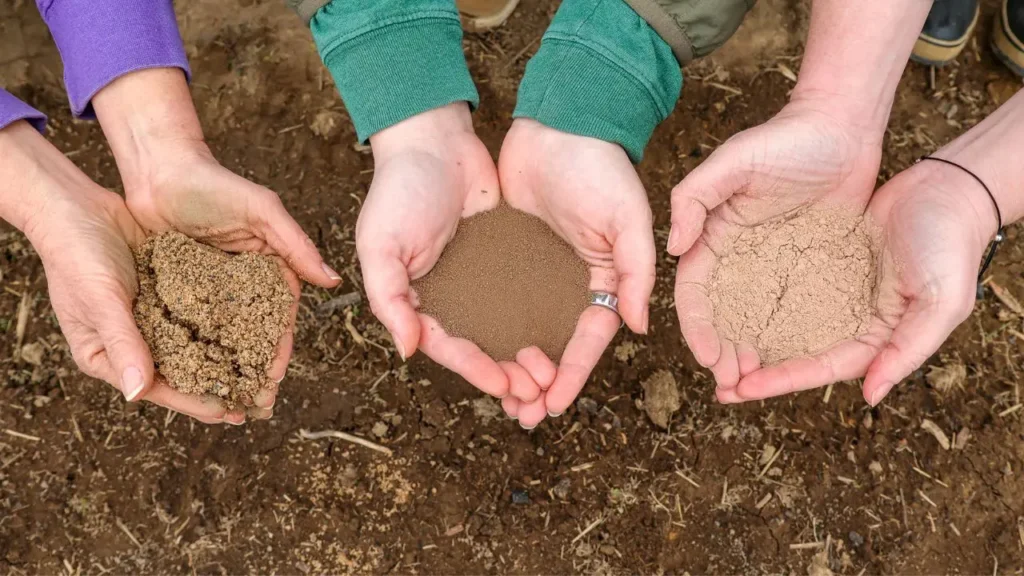
By leaving some bare soil, dead stems, and natural garden debris, we can create nesting spaces that support native bee populations year after year.
The Overlooked Pollinators: Hoverflies and Beetles
Not everything that looks like a bee is actually a bee.
Hoverflies are often mistaken for bees because of their appearance and behavior. These fascinating insects are excellent pollinators, but they provide another valuable service as well: their larvae consume aphids and other garden pests.
Then there are beetles—some of the oldest pollinators on Earth. Long before bees evolved, beetles were pollinating flowers. Today, they continue to play important roles in pollinating plants such as magnolias, spicebush, and pawpaw trees.
By supporting diverse insect populations, we create healthier and more resilient gardens.
Why Wasps Deserve More Credit
Few insects are as misunderstood as wasps! While they may not be as efficient as fuzzy bees at carrying pollen, many wasp species do contribute to pollination. More importantly, they provide natural pest control by hunting insects that would otherwise damage gardens and crops.
Without wasps, many ecosystems would experience significantly higher pest pressures.
Sometimes the insects we fear are also the ones quietly doing some of the most important work.
The Night Shift: Moths and Bats
Pollination doesn't stop when the sun goes down.
Many plants have evolved specifically to attract nighttime pollinators. Flowers such as moonflower, evening primrose, and flowering tobacco open at dusk, release fragrance at night, and use pale colors to attract moths and bats.
Bats, in particular, are among the most underappreciated pollinators in the world. They pollinate important plants such as agave and several cactus species while also consuming thousands of insects each night.
Unfortunately, habitat loss and diseases such as white-nose syndrome continue to threaten bat populations across North America. Protecting bats means protecting pollinators, pest control, and ecosystem health.
A Butterfly Garden Needs Caterpillars
One of the biggest misconceptions in gardening is that a butterfly garden is simply a garden filled with butterflies.
The reality is that butterflies need every stage of their life cycle to be supported—including eggs, caterpillars, and chrysalises.
Many gardeners celebrate butterflies while simultaneously removing or spraying the caterpillars that eventually become them.
A true butterfly garden accepts some leaf damage as part of the process.
For monarch butterflies, milkweed serves as both a food source and a host plant. Without milkweed, monarchs cannot complete their life cycle. Similarly, swallowtail butterflies depend on plants such as dill, parsley, fennel, and carrots.
The key takeaway?
Nectar plants feed adults. Host plants create the next generation.
Your Garden Should Be a Nursery, Not a Gas Station
This may be the most important concept from the episode.
A garden filled with nectar-rich flowers may attract pollinators, but if those insects have nowhere to reproduce, they'll simply stop, refuel, and move on.
We often compare these gardens to gas stations along a highway.
What we really need are nurseries—spaces where pollinators can complete their entire life cycle.
That means planting host plants, preserving nesting sites, and creating habitat diversity.
How Artificial Light Affects Pollinators
Another often-overlooked threat to pollinators is light pollution.
Research continues to show that excessive nighttime lighting can interfere with insect navigation, feeding, mating behavior, and pollination activity. Bright floodlights can reduce the activity of nighttime pollinators and even disrupt bat movement patterns.
Reducing unnecessary outdoor lighting may be one of the simplest changes gardeners can make to support nighttime wildlife.
Why Birds Need Insects Too
Pollinator conservation doesn't just benefit insects.
Many bird species rely heavily on caterpillars and other insects to feed their young. A single chickadee family may require thousands of caterpillars during nesting season.
No caterpillars means fewer birds.
This interconnectedness is why biodiversity matters. Supporting insects helps support birds, reptiles, amphibians, mammals, and countless other species that depend on healthy ecosystems.
Rethinking the Perfect Garden
For decades, we've been taught that good gardening means neat edges, spotless mulch, and pristine landscapes.
Nature doesn't work that way! Healthy ecosystems contain dead wood, fallen leaves, seed heads, hollow stems, and patches of bare ground. These features provide shelter, nesting sites, and food sources for countless species.
A pollinator-friendly garden should look a little messy.
In fact, that mess may be one of the most valuable things you can offer wildlife.
Simple Ways to Help Pollinators Today
Creating meaningful pollinator habitat doesn't have to be expensive or complicated.
Here are a few simple ways we can make an immediate difference:
- Leave fallen leaves in some areas of the garden.
- Allow stems to remain standing through winter.
- Plant host plants as well as nectar plants.
- Reduce pesticide use whenever possible.
- Provide shallow water sources with landing stones.
- Turn off unnecessary outdoor lighting at night.
- Protect mature trees and natural habitat features.
- Leave fallen logs or dead wood when safe to do so.
- Accept a little caterpillar damage as part of a healthy ecosystem.
Helping Pollinators Is More Than Planting Flowers
When we create habitat, support native insects, provide host plants, reduce unnecessary disturbance, and embrace a little natural messiness, we create landscapes that benefit entire ecosystems.
Because the pollinators our gardens really need aren't just honey bees.
They're native bees, hoverflies, beetles, wasps, moths, bats, butterflies, birds, and all the interconnected species that make healthy habitats possible. And supporting them starts right outside our door.