
Okay, I have to be honest with you. This episode is next level nerd for me, and I loved every second of it.
On the farm, bats are part of my evening. When I'm out at night making sure the doors are closed, the gates are locked, and the fences are on, they're flying right over my head. And my favorite way to end the day is skimming leaves out of our little above-ground pool, with bats dipping down all around me to grab a drink. I've never once worried one would get caught in my hair.
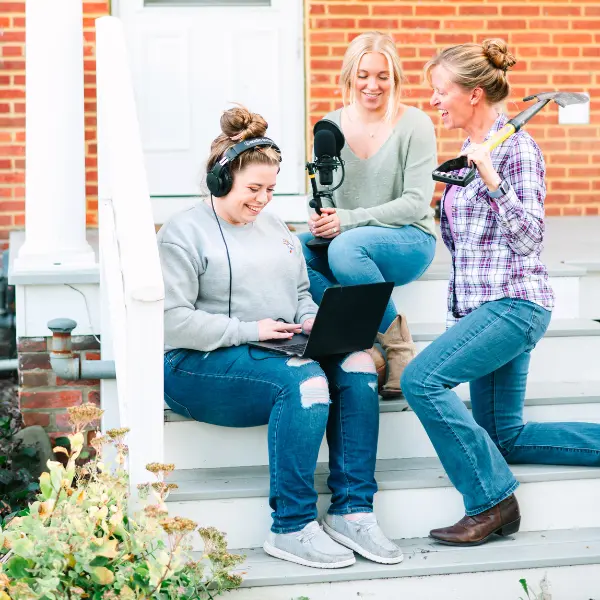
But I know a lot of people feel differently about bats. So we went on location to Delaware Bat Rehabilitation and Conservation and spent time with Keisha, a licensed wildlife rehabilitator and urban forester who cares for injured and orphaned bats from Delaware and Maryland's Eastern Shore. We met the bats in her care, learned how they get back to the wild, and got some seriously practical advice for gardeners.
Here's the big takeaway: if you're planting a garden, you're most likely already creating habitat for bats. Let's talk about why that's a very good thing.
Are bats good for your garden?
Yes! Every bat in our region is an insect eater. They're out at night eating mosquitoes, moths, and a whole lot of the pests we spend all season fighting. Bats love the same places we create when we garden: meadows, forest edges, and a water source nearby. A flower field full of insects at dusk is basically a buffet.
And they need us. Bats here are in serious decline, and the people caring for them are mostly volunteers.
Will a bat get caught in your hair?
This is the myth I hear most, and Keisha has never once gotten that phone call.
Our bats navigate with echolocation. They send out high-pitched calls (too high for us to hear) and listen for the echoes bouncing back off insects, trees, and everything else around them. That's how they "see" the night sky. They're incredible flyers, and they have zero interest in your hair.
The one thing echolocation can't read well? Glass. Smooth, man-made surfaces like windows don't bounce sound back the way nature does, which is why window strikes are one of the injuries she sees.
What bats live in Delaware and Maryland?
Delaware has nine species of bats and Maryland has ten (Western Maryland has caves, which brings in a couple of extra species). Some are so rare you may never see them. The three Keisha sees most often are:
- Big brown bat. Our most common bat. Its body is only about five inches, but its wingspan is around twelve inches, so it looks much bigger overhead.
- Eastern red bat. Smaller, with gorgeous reddish fur.
- Silver-haired bat. Dark fur with frosted silver tips. When she showed us one up close, it was like a tiny bat with highlights.
The little brown bat used to be even more common here than the big brown. White-nose syndrome devastated them, and now they're rare.
Tree bats vs. crevice bats
No caves on the Eastern Shore? No problem. Bats here fall into two groups based on where they like to rest:
| Tree (foliage) bats | Crevice (cave) bats | |
|---|---|---|
| Examples | Eastern red, silver-haired | Big brown |
| Personality | Solitary, no roommates please | Social, like to roost together |
| Where they roost | Trees, forests, leaf litter | Bat boxes, barns, attics, behind shutters |
This matters when you're thinking about habitat. Keep some trees and leave some leaf litter for the loners, and put up a bat box for the social ones.
Where should you put a bat box?
Bat boxes really can help, but placement is everything. Keisha called it a Goldilocks moment. Here's what she recommends for our area:
- At least 12 feet off the ground. Bats drop out of the bottom opening and need room to swoop off into the night.
- On a pole or building, not a tree. Raccoons, snakes, and other predators can climb trees.
- Away from other perches. Owls (and cats) will happily sit nearby and wait.
- Painted black. Bats need a lot of warmth in our climate.
- Six to eight hours of sun a day. Here, that means facing south, maybe a little west.
- More is better. Bats like to move around from night to night, so several boxes (or several neighbors with boxes) give them options.
Then be patient. It can take a while for bats to find a new box, and that's perfectly normal. The dream is a maternity roost, where females raise their pups in your box and return year after year. But even if you only get a few bachelors passing through, you're still giving them shelter.
Maintenance: check and clean boxes in winter, when the bats are gone or hibernating. Keisha knocks out any wasp nests with a stick and repaints when the weather allows, just like you'd care for a birdhouse.
What is a rocket box bat house?
This was my favorite discovery of the whole visit. A rocket box is a tall, round bat house mounted on a slick metal pole, and it's perfect for a meadow where there's no building to hang a traditional box on.
- The smooth metal pole keeps snakes and other predators from climbing up.
- Rough-cut wood inside gives bats something to grip.
- A clear plastic outer shell holds in the heat they love.
- Because it's round, bats can shift to the cooler or warmer side as the day changes.
The ones at the rescue sit in meadow, and she sees guano at the base on different nights, so the bats are using both. You can find rocket box plans online, or buy one from Bat Conservation and Management. I'm already planning where one could go in our flowers.
Bats need water, too
Bats drink on the fly, skimming the surface of ponds and pools. Sometimes they fall in. If you have a pool, add a small wildlife escape ramp or float so any animal that tumbles in has something to climb out on. (I had never even thought about this until Keisha mentioned it!)
What should you do if you find a bat?
Bats are wild animals and a rabies vector species, the same as raccoons, skunks, and even dogs and cats. Most bats are not sick, but never touch a bat with bare hands. Call a licensed wildlife rehabilitator, and they'll walk you through safely containing it:
- Put on gloves (garden, work, or winter gloves all work).
- Gently lay a cloth or old t-shirt over the bat.
- Scoop the bat, cloth and all, into a cardboard box.
- Close the box and tape it up like you're mailing it.
That keeps you safe and the bat safe until it gets to someone trained and vaccinated to care for it.
Bats end up needing help for all kinds of reasons: pups falling from their roost in summer, cat-caught bats, glue traps, car and window strikes, and young bats crashing on their first few flights (Keisha compared it to a teenager learning to drive). Fall is busy because it's both migration and mating season.
How do rescued bats get back to the wild?
This was the part that melted me. Every bat gets an intake exam, then rests in a small mesh enclosure with soft cloths to hide in and a water dish filled with glass beads so it can sip without dunking its whole head. Solitary tree bats live alone. Big browns get roommates, because they do better together.
Their diet is mealworms, and not just any mealworms. Keisha "gut loads" them first, feeding the mealworms bran, calcium, vitamins, a little cranberry powder, carrots, and fresh dandelion greens, so the bats get a balanced meal. At the busiest time of year, she goes through about 5,000 mealworms a week. Orphaned pups get a special high-fat formula, and sometimes a soft mealworm dipped in formula as a little pacifier to fall asleep with. I can't.
From pup to release takes about six weeks. Before going home, each bat has to show sustained flight and hunt on its own in a double-walled flight cage. Some of the bats we met were completely healthy but a little too chunky to fly well, from packing on weight for fall, so they're slimming down before release. State rules require releasing them in the same county where they were found, ideally within about five miles.
Come support the bats! Delaware Bat Rehabilitation and Conservation is hosting a screening of the documentary The Invisible Mammal on October 30 at Duck Creek Regional Library in Smyrna, Delaware, with raffle prizes. Details on delawarebats.com.
How you can help bats
Delaware Bat Rehabilitation and Conservation is the only place caring for bats in Delaware and on Maryland's Eastern Shore. They receive no state funding. Ten thousand mealworms run about $50, and formula is around $100 a bag, so every bit helps.
- Donate at delawarebats.com/donate
- Shop their Amazon wish list (paper towels, disinfectant, syringes, and cloths are always needed)
- Follow along on Instagram at @delaware_bat_rehab
- Volunteer if you're rabies vaccinated (they have volunteers coming from Maryland already)
- Plant for them. A meadow edge, native flowers that bring in night-flying insects, and a water source make your garden a bat-friendly stop. Our pollinator garden episode is a great place to start, and if you're planting this season, check out our fall planting guide.
Plan a garden that feeds everyone
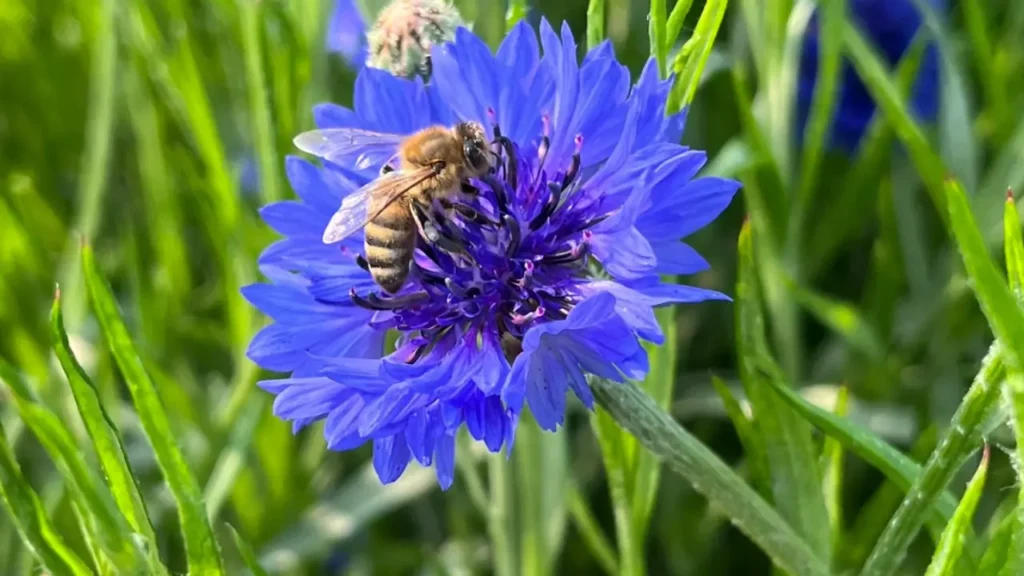
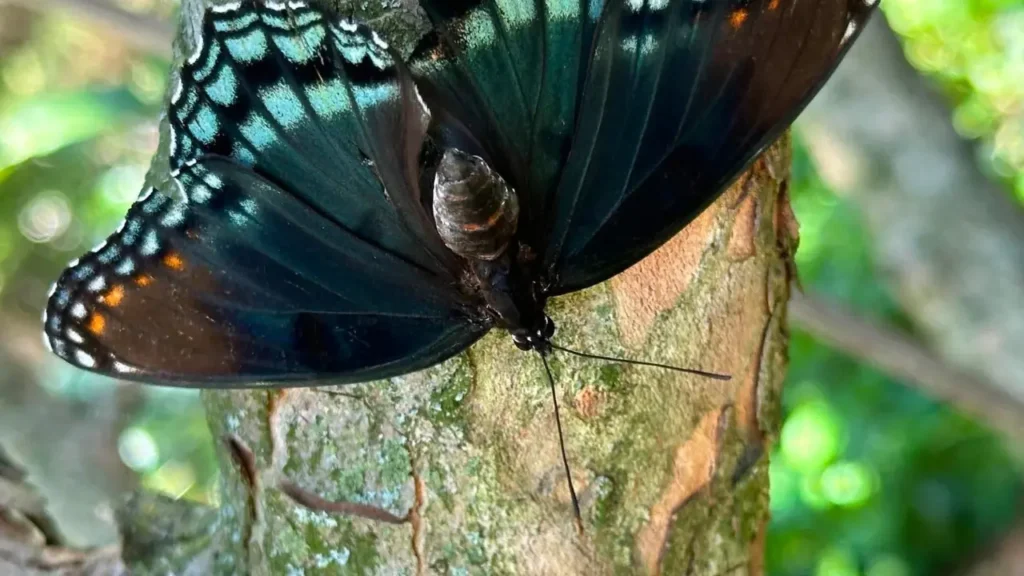
Every flower you plant feeds something: bees and butterflies by day, the moths that come after dark, and the bats that follow them. If you're dreaming about next season's garden, my free Cut Flower Garden Planning Guide walks you through it step by step, so you can grow more flowers and more life.
And if you want to get to know the flowers themselves, wander through The Bloom Book.
Frequently Asked Questions
Are bats good for your garden?
Yes. Every bat in Delaware and Maryland eats insects, including mosquitoes and moths. Gardens with meadows, forest edges, and water nearby are prime bat habitat.
Do bats really get caught in people's hair?
No. Bats navigate with echolocation and are excellent flyers. A bat rehabilitator who has handled calls across Delaware and the Eastern Shore has never heard of it happening.
How high should a bat box be?
At least 12 feet off the ground, on a pole or building rather than a tree, painted black, and facing south or slightly west so it gets six to eight hours of sun a day.
What is a rocket box for bats?
A round bat house on a smooth metal pole. The pole keeps predators from climbing, the clear shell holds heat, and the round shape lets bats move to the warmer or cooler side.
What should I do if I find a bat on the ground?
Don't touch it with bare hands. Call a licensed wildlife rehabilitator. Wearing gloves, cover the bat with a cloth, scoop it into a cardboard box, and tape the box closed until help arrives.
How many species of bats live in Maryland and Delaware?
Maryland has ten species and Delaware has nine. The ones seen most often on the Eastern Shore are the big brown bat, the eastern red bat, and the silver-haired bat.
Listen to the full episode on The Flower Files or wherever you get your podcasts.