
Choosing the Right Peony Type
When growing peonies, it’s important to know the differences between the main types. Herbaceous peonies are what most people picture—big, fluffy blooms that return each spring and die back in winter. They're the ideal choice for cutting gardens and flower farms due to their reliable stem length and abundant production.
Tree peonies, on the other hand, are more like woody shrubs. They keep their structure year-round and produce enormous, early-spring blooms that are visually striking but less practical for cutting. Their short stems and fragile structure make them best suited for gardens or high-end, non-harvest designs.
There’s also the hybrid Itoh peony—a cross between tree and herbaceous varieties. These plants combine the massive blooms and strength of tree peonies with the regrowth and dieback habits of herbaceous types. They’re a great choice if you're looking for both visual impact and manageable care.
How to Plant Peonies for Success
Peonies are perennials that reward patience. They’re typically planted in the fall—October is ideal if you’re in a zone like Maryland. Choose a location with full sun and well-drained soil, and space your plants generously to ensure airflow and prevent disease.
One of the most common mistakes is planting peonies too deep. The crown of the plant should be just below the soil surface. Too deep, and you may never see blooms. Give your plants a few years—most won’t produce sellable stems until their second or third season, but once they do, they’ll reward you for decades.
Supporting Peony Blooms & Managing Common Problems
Peony blooms are heavy and need support. In home gardens, you can use gridded peony rings or tie twine loosely around emerging buds to hold them upright. Out in the field, especially on a larger scale, a 4x4 grid netting laid across rows works well. It helps stabilize the plants and even deters deer from trampling your crop.
Botrytis blight, or gray mold, is a common early-season threat. It thrives in cool, wet conditions and can devastate your crop quickly. Symptoms include black, mushy buds and gray fuzz on stems and leaves. The best defense is prevention: maintain good airflow, avoid overhead watering, and always clean up old plant debris in the fall. If issues arise, organic fungicides like copper sprays can help, along with cleaning your tools regularly.
Other occasional problems include leaf blotch, powdery mildew, and even pests like the spotted lanternfly, which seem to prefer darker peony varieties. Stay vigilant, and your plants will stay healthy.
Designing with Peonies: Beauty Meets Versatility
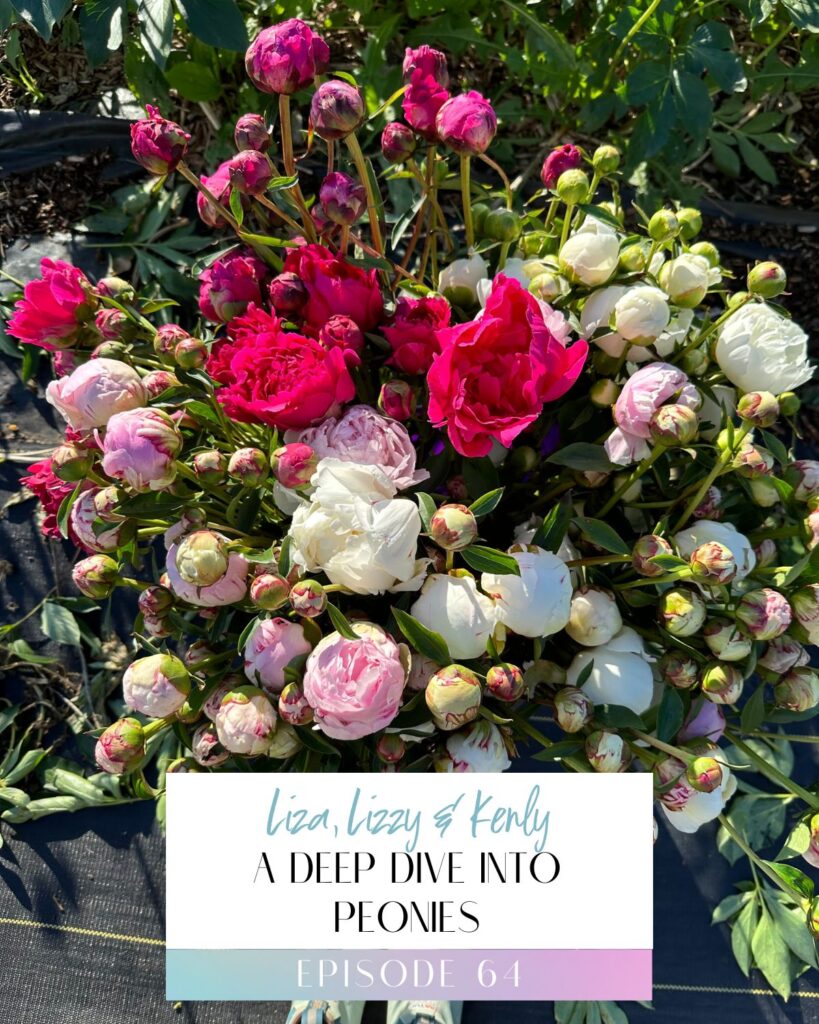
Peonies are beloved in floral design for their lush texture, fragrant scent, and wide range of romantic colors. Whether you’re working with the pale blush of ‘Sarah Bernhardt’ or the vibrant coral of ‘Coral Charm’, peonies elevate any arrangement. They shine as focal points in bridal bouquets, centerpieces, or even solo in a vase.
Harvesting at the right stage is key. Aim for buds that feel like marshmallows—firm but soft enough to squeeze. Too early, and they won’t open; too late, and they’ll burst open quickly. You can store harvested peony stems dry in the fridge, wrapped in newspaper, for up to two weeks—extending your sales window during peak season.
Are Peonies Worth the Investment?
Peonies aren’t the cheapest crop to start with—bare roots can cost between $15 and $40 each. But once established, they’re incredibly profitable. We sell ours wholesale for $3 to $5 per stem, with retail prices even higher depending on variety and bloom size.
Although the initial investment requires patience, the long-term payoff is worth it. With proper planting and care, peonies will produce for decades. Their popularity, especially around weddings and spring events, makes them one of the most valuable perennials for flower farmers.
Debunking Peony Myths & Troubleshooting
Let’s clear up one of the biggest myths: you do not need ants for peonies to bloom. Ants are attracted to the sticky nectar on the buds but play no role in helping them open. If you’re dealing with ants in your blooms, the best approach is to harvest earlier, before the flowers are fully open, and give them a quick rinse.
If your peonies aren’t blooming, double-check how deep they’re planted, how much sun they’re getting, and their age. Often, it’s just a matter of time and sunlight. Resist the urge to dig them up—patience is key.
Edible & Dried Peonies: An Extra Floral Bonus
Did you know peonies are edible? Creative growers use the petals to make jelly, infuse sugars, or even pickle them. Dark-colored varieties also dry beautifully and retain their color well, making them great for dried arrangements and crafts. White peonies, however, tend to fade to tan when dried.
Should You Grow Peonies?
If you're in it for the long haul and want a high-end crop with a solid return, growing peonies is absolutely worth the investment. They’re customer favorites, stunning in bouquets, and profitable perennials for any serious flower farm or garden.