
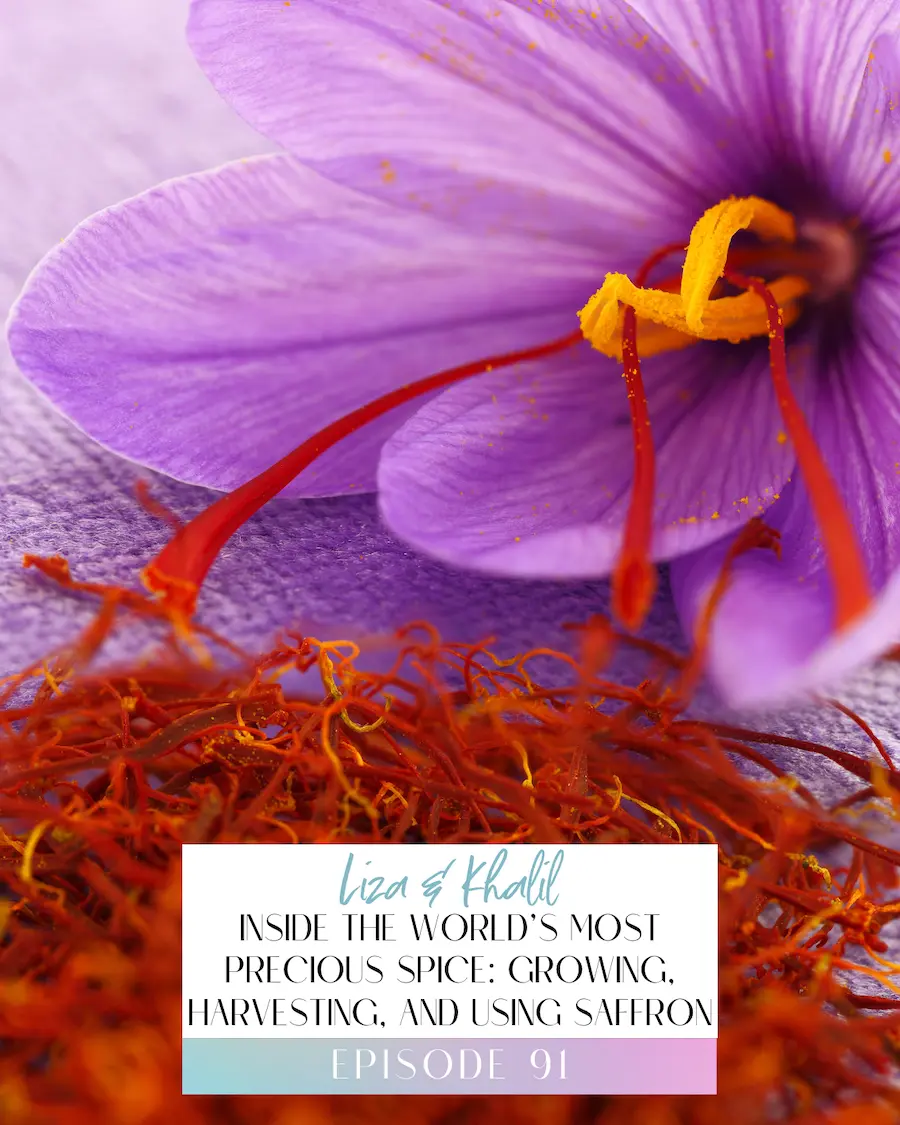
Known as the world’s most expensive spice, saffron has long been shrouded in mystery, luxury, and vibrant color. But behind the crimson threads lies a story of precision agriculture, deep cultural roots, and a surprisingly accessible growing journey—if you know where to start.
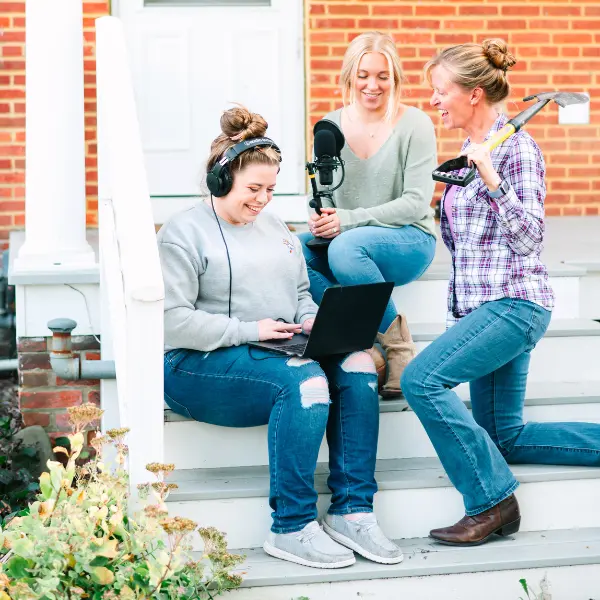
In this episode of The Flower Files we sit down with Khalil Khatri—saffron grower, educator, and founder of SaffroSystems—to uncover the truth about this golden spice. From its stunning bloom cycle to practical cultivation tips, Khalil breaks it all down in a way that’s both inspiring and deeply practical.
Whether you’re a grower, gardener, herbalist, or simply saffron-curious, this is a masterclass you don’t want to miss.
What Exactly Is Saffron?
Saffron comes from the Crocus sativus flower and is harvested by hand—specifically, the tiny red stigma filaments inside each bloom. It takes roughly 75,000 flowers to yield just one pound of saffron, making it an incredibly labor-intensive crop.
Despite its luxury status, saffron is a low-input crop, meaning it doesn’t need extensive water or nutrients to thrive. It's traditionally grown in arid climates, but can now be cultivated successfully across the U.S. and globally—with a little know-how.
“Saffron is valuable not just because of its labor demands, but because it has so many uses—from culinary to medicinal to cosmetics.”
The Growing Cycle: From Corm to Crimson
Khalil walks us through the saffron life cycle:
- Corm planting: Typically in summer
- Flowering: Happens once per year in a short 3–4 week window, often October–November in the Northern Hemisphere
- Harvesting: Extremely precise; best done by hand using fingers to preserve the threads
- Drying & curing: Essential for both flavor and medicinal potency
Soil: Prefers sandy loam with good drainage
Sun: Full sun is ideal
Water: Low irrigation needs—generally 4 key cycles per year
Pro tip: New growers can even start in containers or crates to learn the ropes before planting large-scale.
“Start small. You’ll learn more from 100 corms than reading 100 articles.”
Saffron’s Medicinal & Culinary Superpowers
We often associate saffron with paella or risotto—but its value extends far beyond the kitchen.
Khalil has co-authored a book on medicinal uses of saffron, and his research explores how saffron can support:
- Mood and emotional health
- Hormonal balance
- Antioxidant and anti-inflammatory activity
- Eye health and vision
- Cardiovascular wellness
And yes, it really does work in tea.
“We dove into the human clinical trial data—saffron has serious science behind it.”
Real vs. Fake Saffron: How to Spot the Difference
Unfortunately, saffron is one of the most adulterated spices in the world. Khalil shares how to test for purity:
Real saffron:
- Has red-orange stigmas with slight yellowing when rubbed
- Dissolves slowly and evenly in warm water
- Smells sweet and floral (honeysuckle-like)
- Has a slightly metallic taste
🚫 Avoid powdered saffron unless you trust the source—it’s easier to adulterate.
Growing Saffron in the U.S.: Is It Possible?
Absolutely! With increasing interest in climate-resilient and specialty crops, saffron is gaining ground in places like:
- Vermont
- Pennsylvania
- Maryland (where we are!)
- California
- Oregon
But Khalil emphasizes: start small, do your research, and source high-quality corms (like from his partners at Roco Saffron in the Netherlands).
“Patience and curiosity are essential. It’s not just a crop—it’s a relationship.”
Where to Learn More
Want to grow saffron, take Khalil’s course, or grab his book?
Visit saffrosystems.com
Book: Saffron: From Fields to Fortune
Course: Saffron Mastery (includes mentorship and grower community)