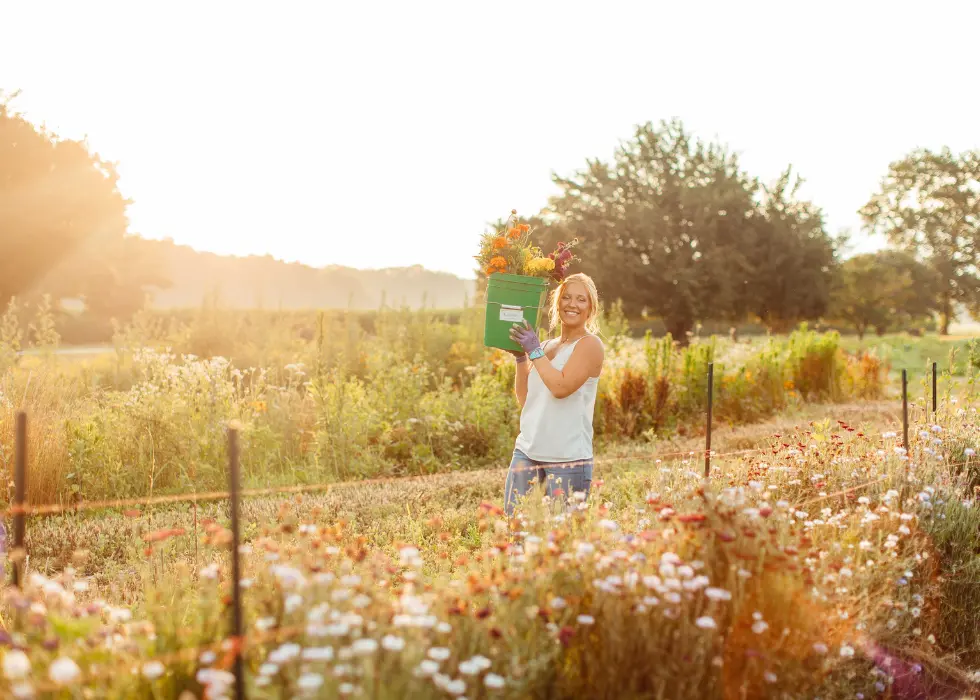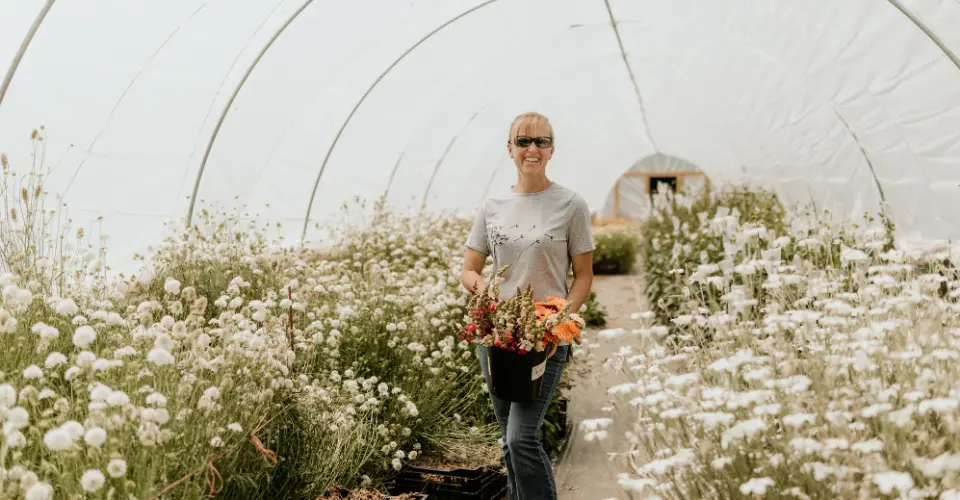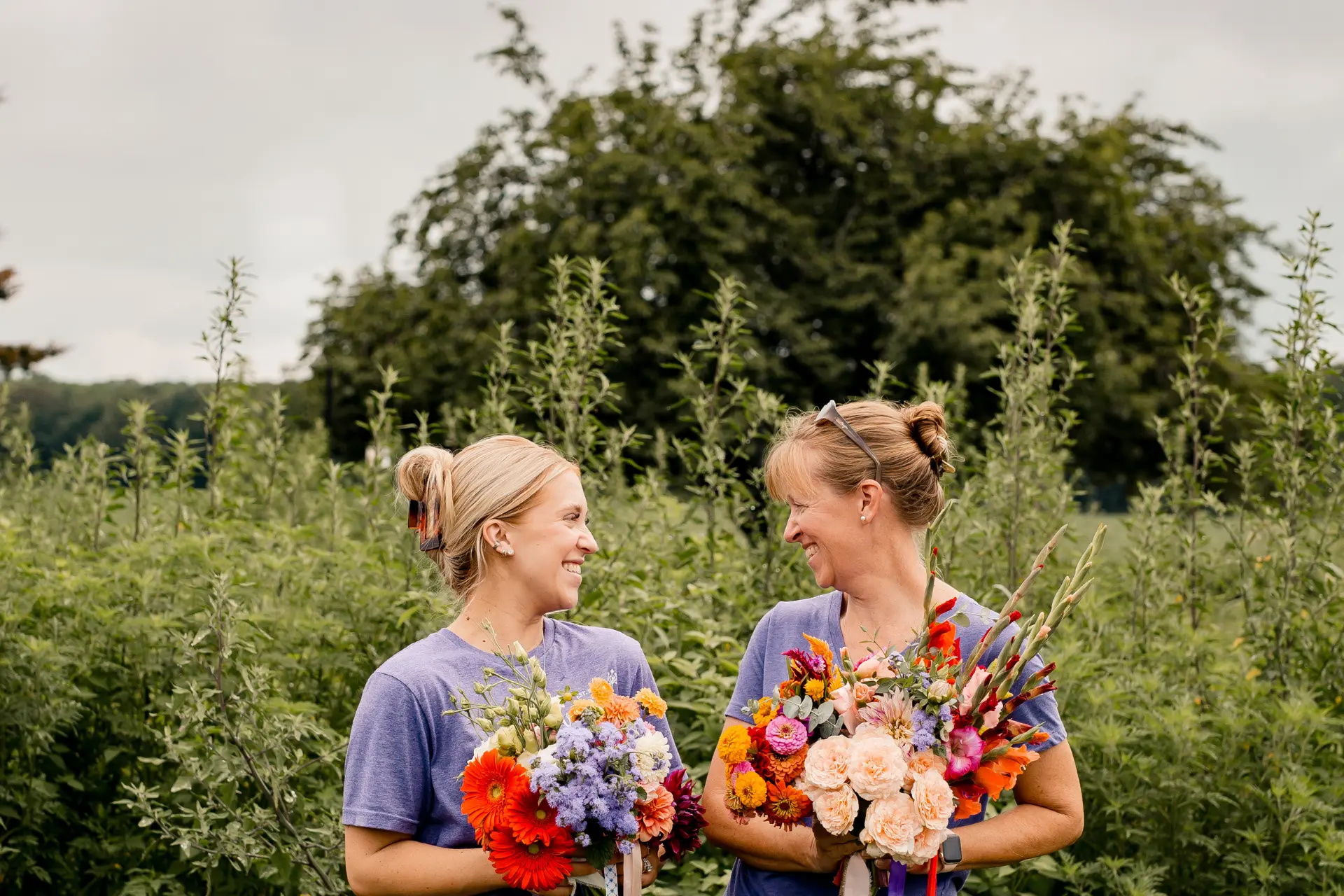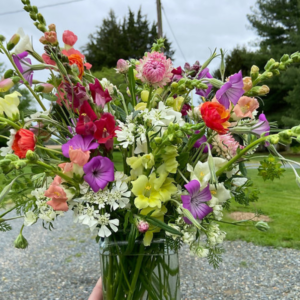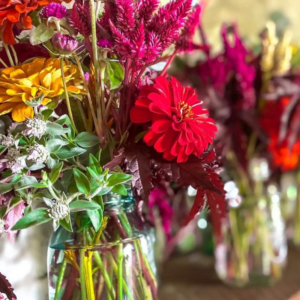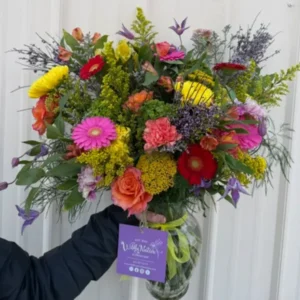
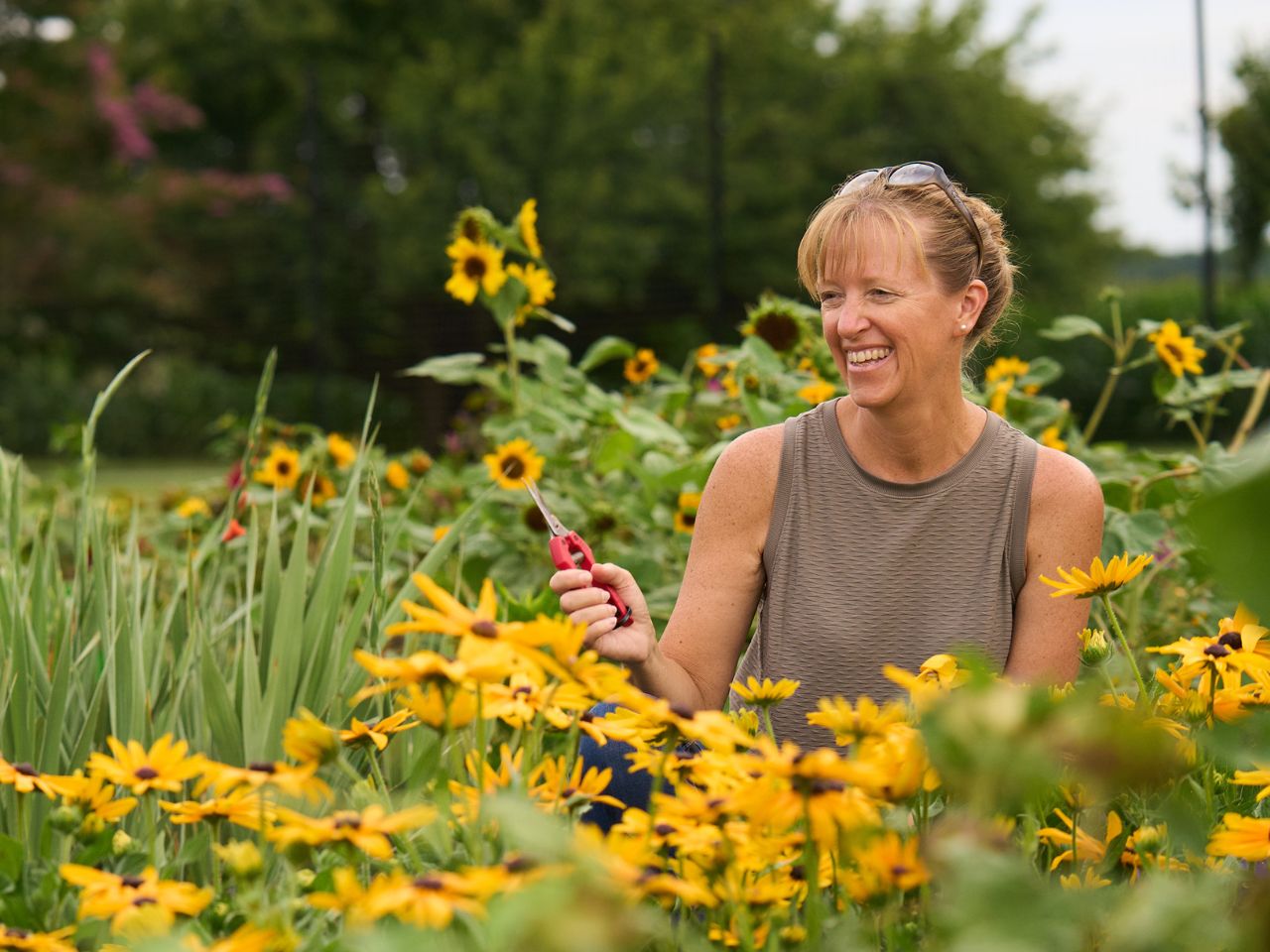
No matter why you want to grow cut flowers, there is always an awesome reason to add a little color to your garden! You might be wondering what we mean when we say “cut flowers” - aren’t any flowers that you snip technically a cut flower? Kind of - when we talk about cut flowers here, we mean varieties that hold up well in a vase of water.
Some flower types wilt almost immediately after cutting, no matter how quickly you get them into water. Others last for days - even weeks! - after being cut, and THOSE are the ones we want!
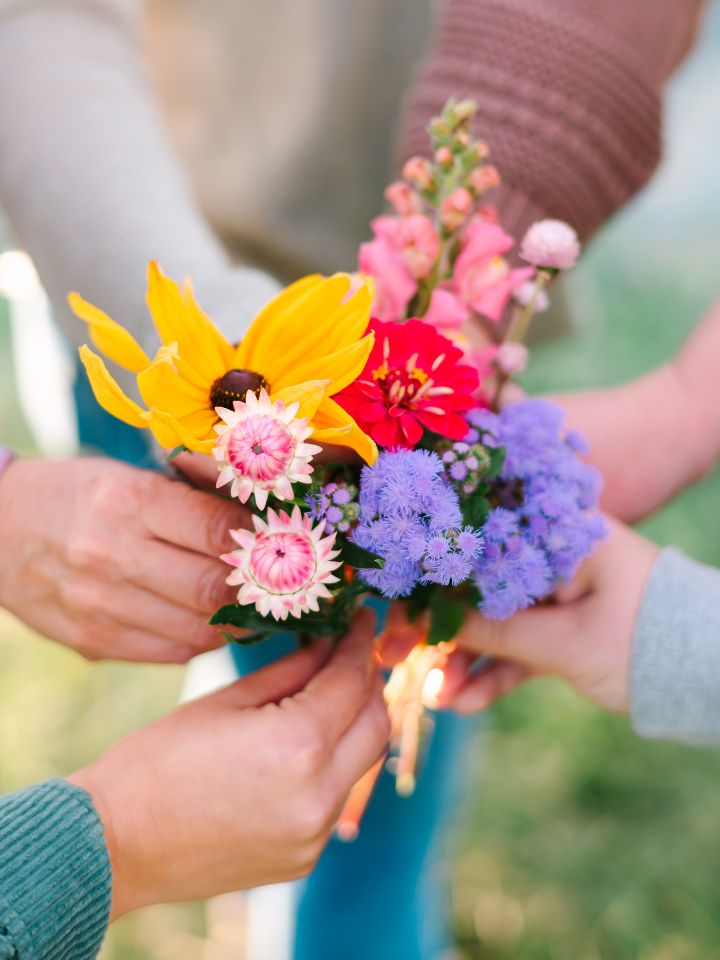
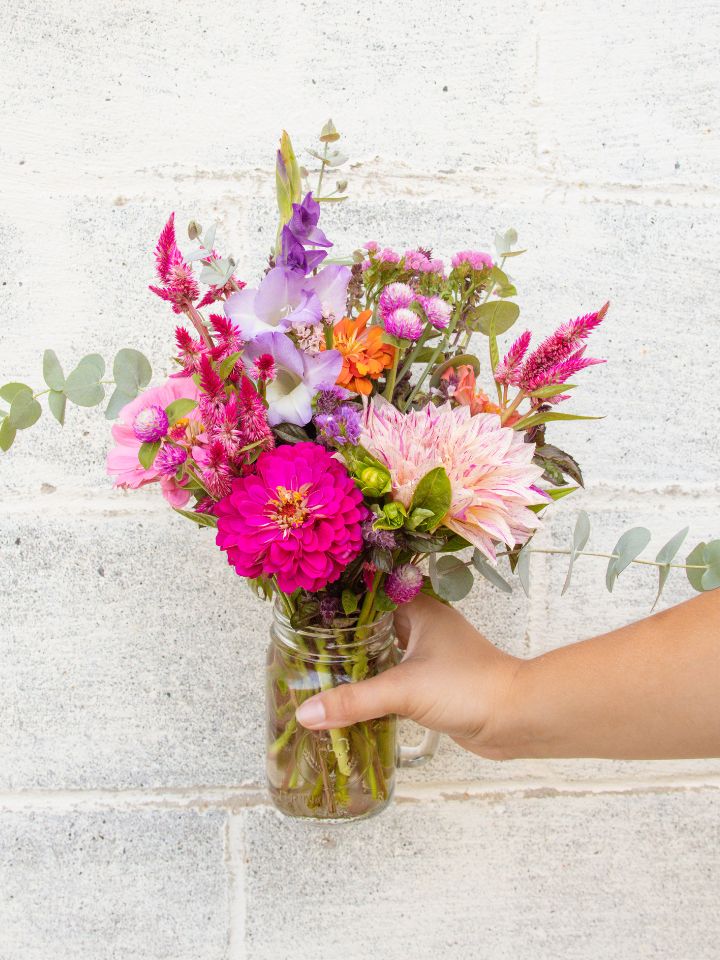
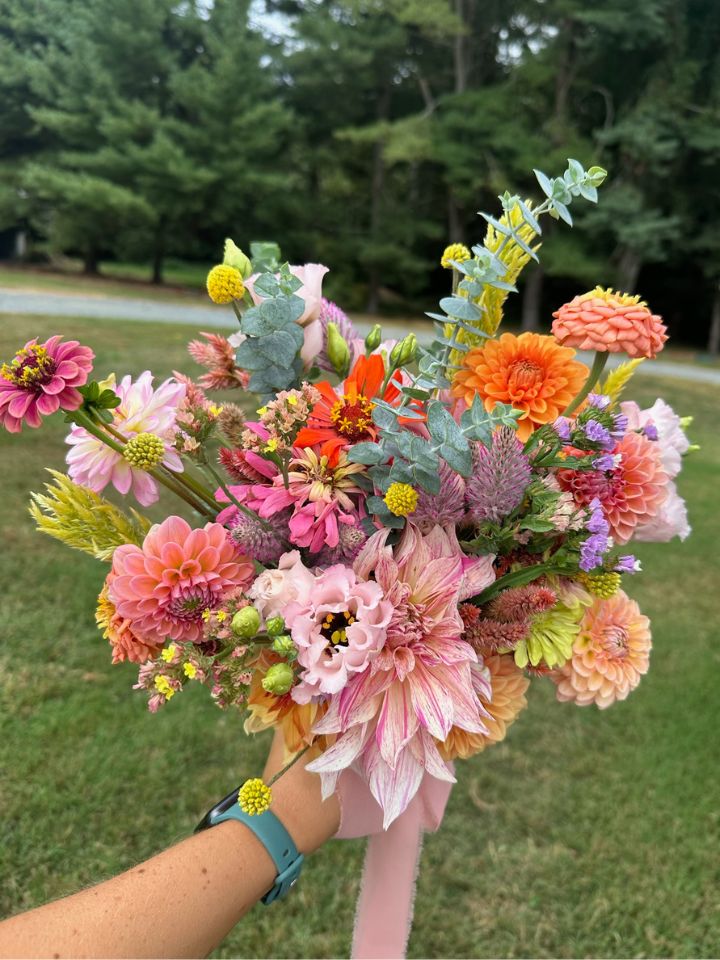
Cut flowers are an amazing addition to the garden in any capacity; whether it's for their beauty alone, so you can give them to friends and family, because your grandmom grew them, you love the birds and pollinators they bring, you want to share this with your children, to start a business, or even for your own wedding - flowers really do capture a little sunshine to add to your life!
Turning Over a New Petal
You'll need to change your mindset from traditional gardening to flower farming - it can be tricky!! Don't get me wrong, you can absolutely have pretty cut flower patches - they’re still flowers after all, and if you don’t plan on cutting every bloom for vase use you can still design your cut flower garden to be beautiful as well as functional! However, depending on how far you want to take it when you begin to grow cut flowers, the reasons for specific species becomes more about vase life and stem length rather than a visually balanced garden. These workhorse blooms are often chosen for their production over their looks alone. Garden layouts can change, too - for example, for more effective harvesting, we’d recommend planting in straight rows instead of a patchwork of plants, with walkways in between.
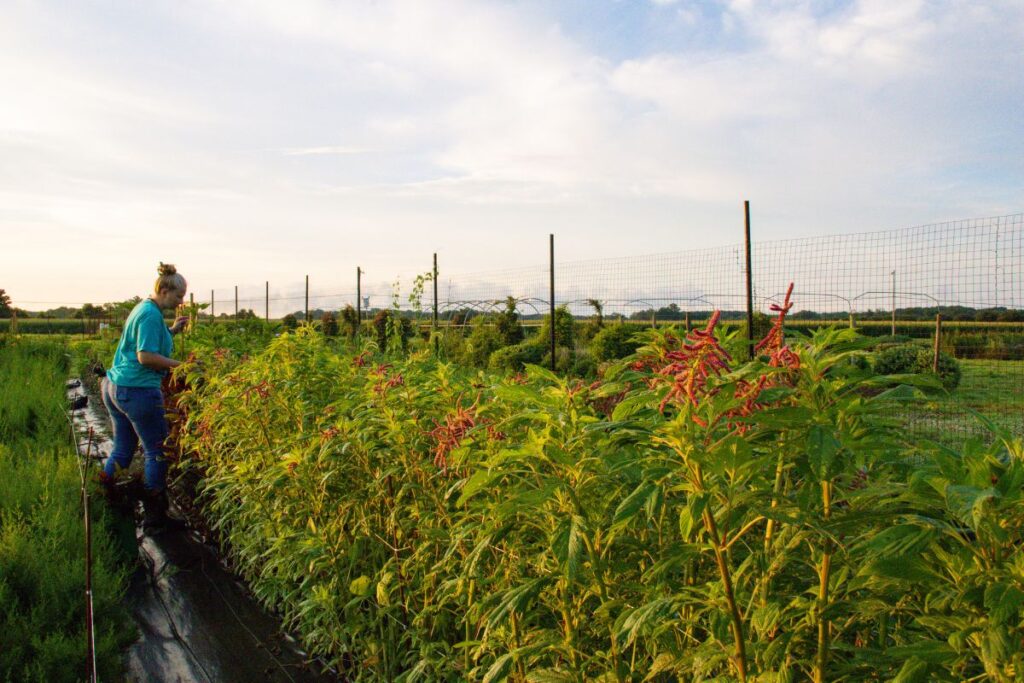
Our Garden Planning Guide is great for helping you to visualize your space!
A Bit More Definition
Let’s chat about some of the basics before we get too far - a little more about what makes a cut flower so special, and why is it different? I know it might sound simple but when you start looking at all the flowers out there, there are so many that overlap in their use or have different varieties within the same flower type that it's easy to get confused.
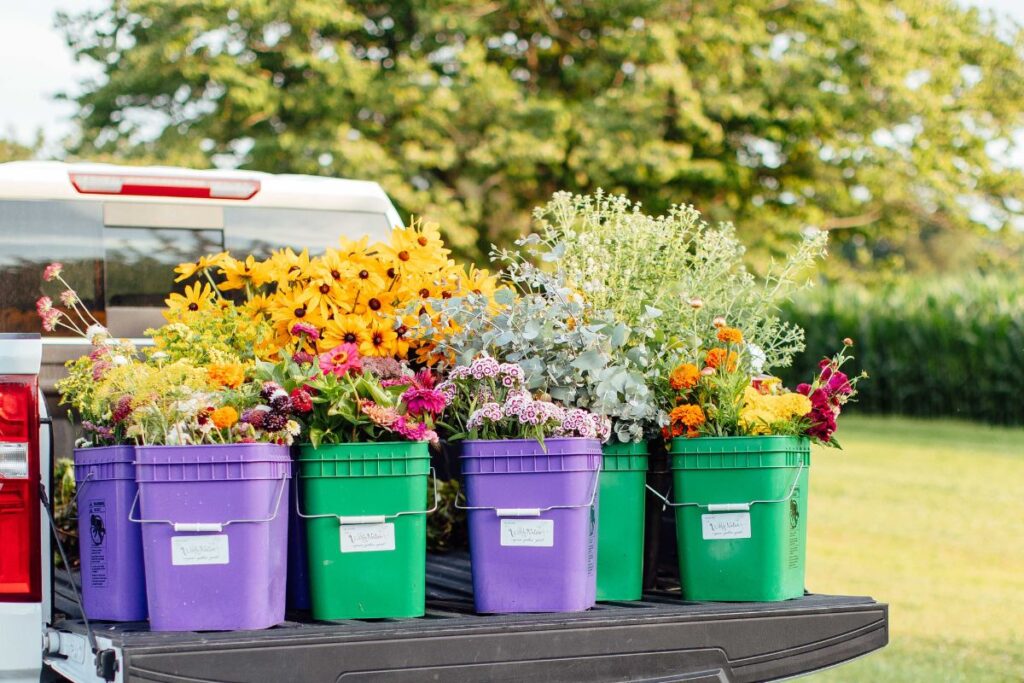
A cut flower variety at its most basic understanding is a flower grown specifically for its ability to stay pretty for a while after being cut. There’s definitely wiggle room in there for opinions on what makes something pretty, or how long is “a while”, but that’s basically what we are growing cut flowers for! They will be snipped off of the main plant for use rather than being left on the plant to finish their life cycle. Depending on the variety this can include the foliage, the bud, and/or the flower being used for decorative purposes in a variety of ways such as table arrangements, bridal bouquets, large wedding ceremony pieces, and more!
Where do I start?
Whether you’re the type to walk into a garden center and look around thinking “where do I even start?” or you’re more the type to say “I want to buy everything and try it all” - you're in the right place! When you are first starting to grow cut flowers it can be easy to get carried away and try all the species you think you should have. That first step is so exciting, and you don’t want to miss out! You can read a but more on how to choose which flowers to grow in our blog post here!
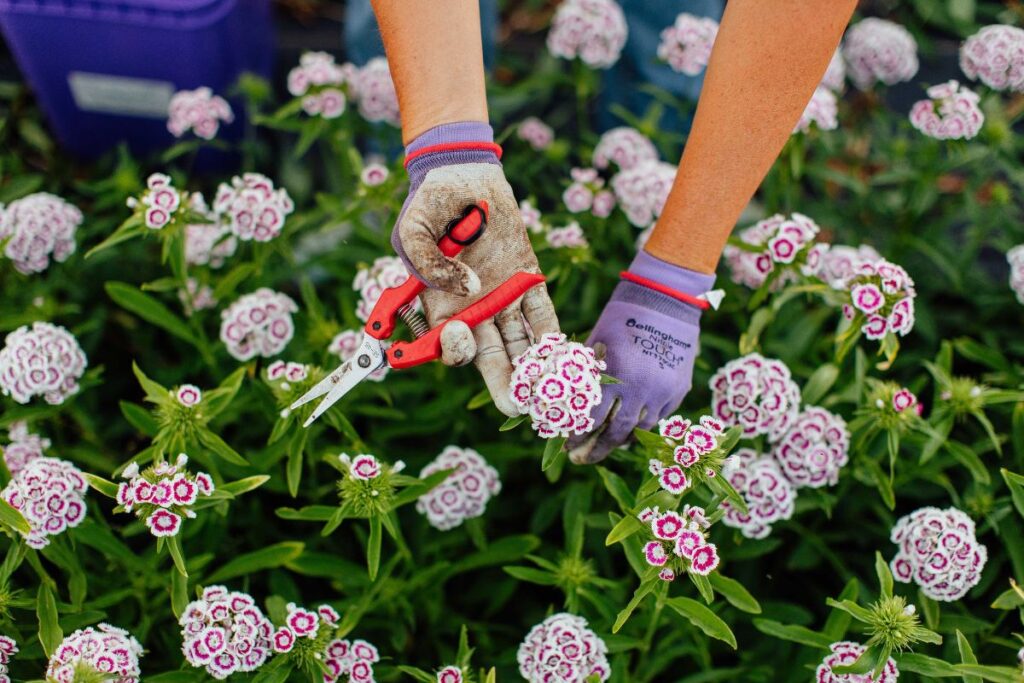
New gardeners often love cut flowers because most of these varieties are super easy to grow, and you can show off all your hard work with a vase of home-grown blooms! Most of them are fast growing, forgive a little mistreatment (oops I didn't water you again! sorry about those weeds!), and honestly are super rewarding. Who wouldn't love standing in a whole patch of flowers that you grew?! Depending on the variety you choose, many cut flowers are also what we call “cut-and-come-again” - they keep putting out new buds after you cut those previous flowers off! Talk about rewarding!
Looking for a more specific list? Check out our Top Cutting Flowers for your Garden guide - for every season and skill level! We'll help you narrow down the list to ones you feel comfortable with and are excited to grow.
Don't Plant More Than You Can Grow
Honestly though, the biggest mistake I see people make is trying to grow it all instead of focusing on a few varieties and getting really good at growing those first. Growing cut flowers for beginners is all about being patient and learning what works for you (and what doesn't) and being patient and kind to yourself. Trust me - each season is different for sure! Get to know your plants and get a little confidence before you take on 30 new species to grow all at once.
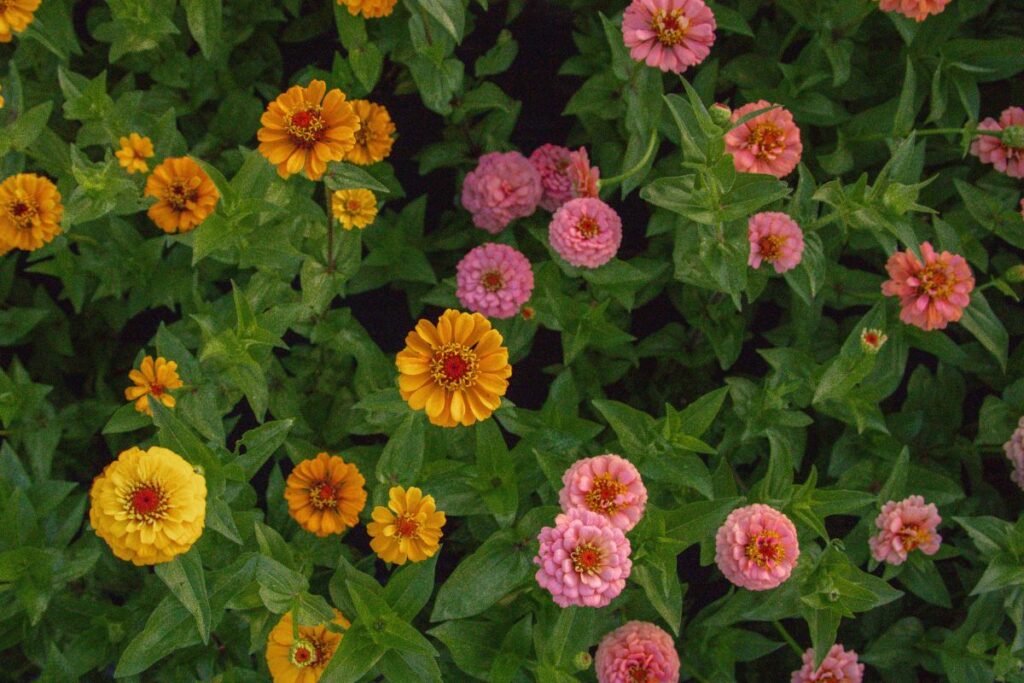
Let’s talk about zinnias as an example, since there are well over 100 varieties! The ones you see for more traditional gardens and landscaping are bred specifically for their use as decorative florals - they are typically shorter, more compact, and might have more blooms all at once. The varieties that are chosen for cut flower use have a totally different growth habit - they typically have longer stems, repeat blooms throughout the season, and a great vase life after cutting. So, a cut flower isn't just fertilized more to grow taller, they are a specific type of flower that are cultivated for that reason!!
Ready to dig in!
Ok, still with me here? You're feeling like transitioning your garden to grow cut flowers is right up your alley, but don’t head out to the garden center quite yet! We’re all for jumping in with both feet, but there are a few more things to consider first. We've listed them out below, but we go into more detail and guidance in our Garden Planning Guide!
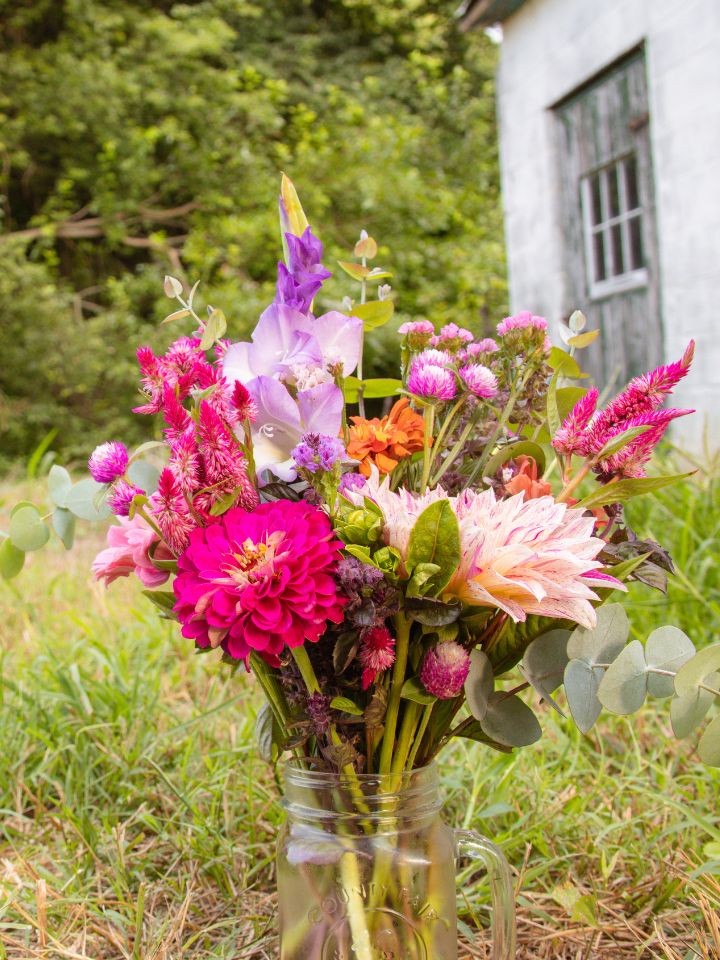
Location, Location, Location
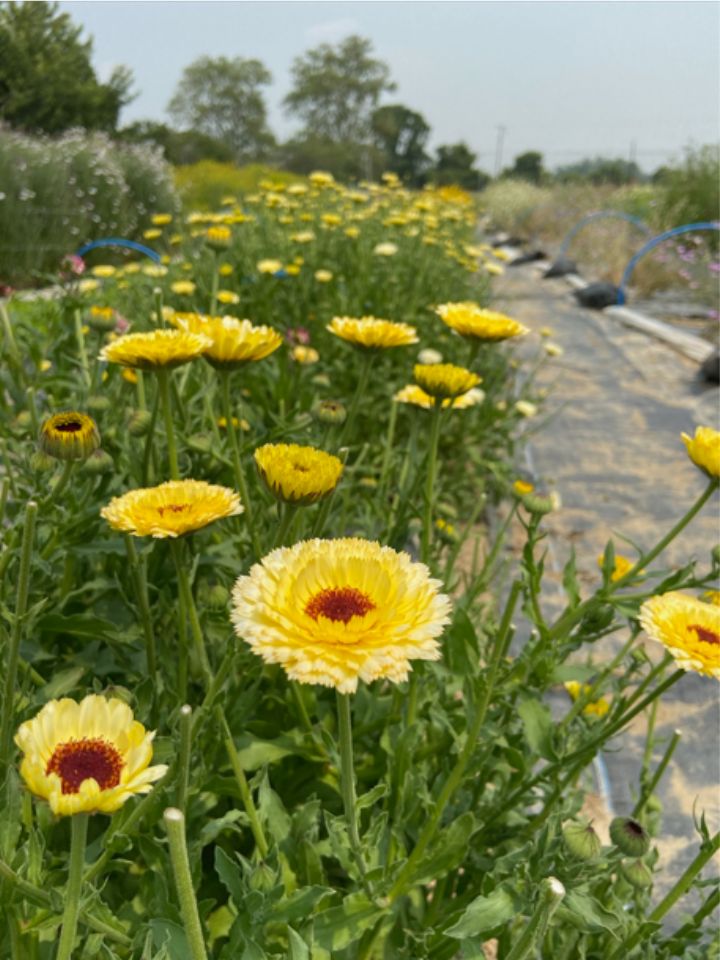
- Most cut flowers need about 6-8 hours of sunlight a day. Their ideal location really is that bright, sunny spot in the yard! If you have less sun, you’ll have to rethink the varieties that you want to grow. If they don’t get enough light, you’ll have less productive plants that won't grow as well.
- One of the nice things when you grow cut flowers vs other crops is that their space requirements are comparatively minimal. Generally, you don't need a whole farm - you can grow them right in your backyard! Still want to start smaller? Toss a few in some raised beds, or you can even grow a container garden. Choosing a small space is a super easy and less stressful way to get started.
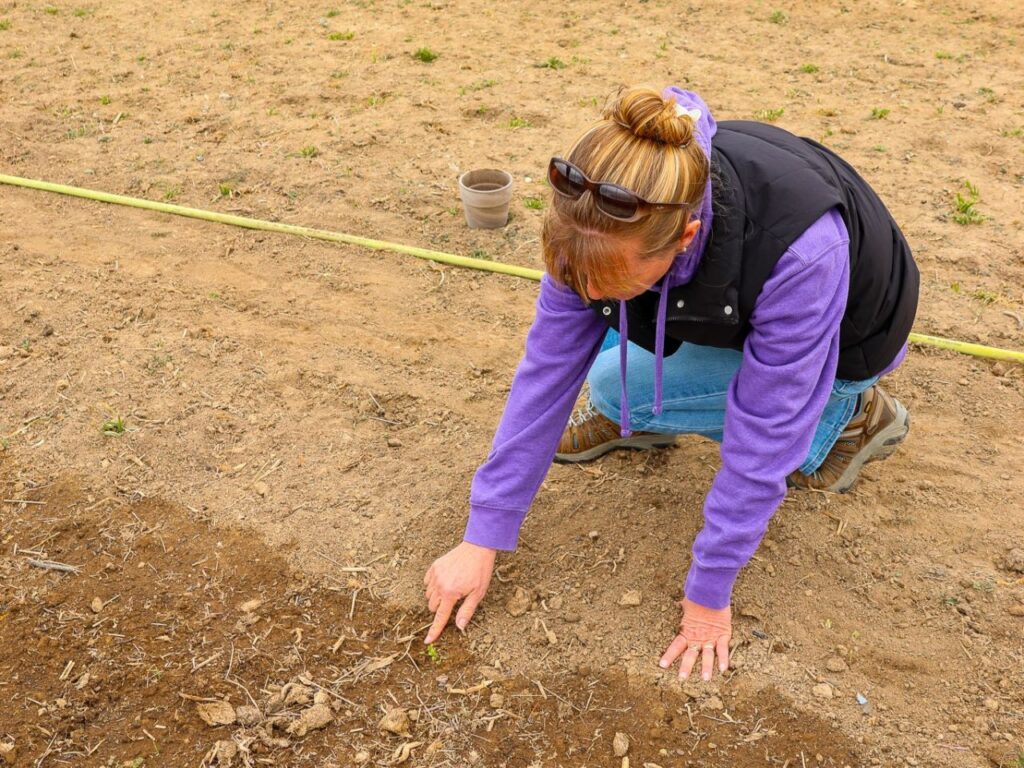
- Triple-check your spacing! Especially when plants are small, it can be super easy to squeeze in a little more than what's recommended. If you overcrowd, your plants won’t be as healthy, and they won’t perform as well. There's nothing more frustrating than realizing too late that your spacing was incorrect. Those guidelines are there for a reason, and it helps prevent problems down the road. Don't forget to take a look at your soil, too!
Time Management
- Your time is your most valuable resource - how much time do you plan to dedicate to your garden? While a huge patch of cut flowers is wonderful to start with, in reality they still need things like a regular garden would, such as water, maintenance, and other upkeep. Oh and did I mention the weeds? There are ALWAYS weeds. Sometimes throughout the year it can be nice to have an extra set of hands to help with all of this!
- If you're planning on turning this into a business, make sure to balance your time between growing and selling! If you grow without marketing, you'll have lots of flowers with nowhere to go; and if you market without growing, you'll have customers knocking down your garden gate wondering where the flowers are!
Narrow Down Your Varieties
- When you first start, make sure you have done your research and you've chosen what varieties you want to plant. The list and details for selecting them could go on and on because there are so many great ones to choose from! The hard part is that you have to make those choices yourself.
- The next thing to consider is if you plan to start your flowers from seed, or source them through a garden center or a larger supplier? Pause and take a look at your infrastructure: do you have room for lots of seed trays with good natural light, or heated space for early spring varieties? When you first start out it's ok to choose varieties that are tried and true - and readily available at your garden center!!
It's All in the Timing
- Another mistake I often see folks make is they do not know WHEN to cut their flowers. If you see flowers in the field at a flower farm, it means something is wrong (or the team got overwhelmed with a to-do list and those pesky weeds we mentioned before!). A good rule of thumb is if they are blooming in the field it is too late to harvest for vase use.
- You have to cut early in the morning while the weather is cool, before the bloom is fully opened, and place them right into cool fresh clean water. All these little things add up to ensuring you have the freshest quality flowers! While cutting in the evening is an option since the temps have cooled off, I find it harder to time the harvesting with the bugs that start biting earlier than you realize. It's no fun to have bug bites after picking flowers!
- Try to set up a plan for season-to-season! I see new growers struggle with making a plan to rotate throughout the seasons - what comes next after you’ve grown a whole crop of spring blooms and cut them all? It will get easier every year, but try to create a plan for how the seasons cycle. Your empty vases will thank you for it!
Let it Grow
Our best piece of advice? JUST START. Pick some. Grow some. Harvest some. You won’t know till you try it! The nice thing? It’s hard to mess up to the point where you wouldn’t still have at least one vase full of pretty flowers!
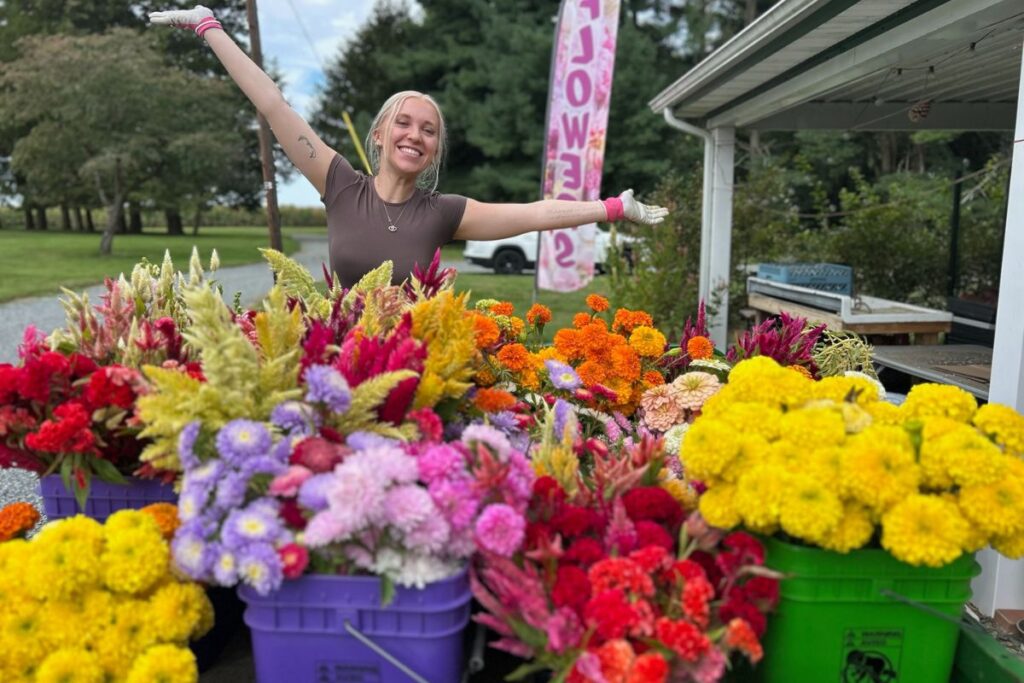
No matter what size garden you end up deciding to grow, and for whichever reason the flowers draw you in, when that first bloom opens there's no other feeling in the world like it. Just make sure you keep that first one for you 😉
Keep growing wildly!
Tag us in your photos so we can see how your garden grows!
And if you need a little more help... don't forget to check out our other Around the Farm blogs, and helpful courses + guides! We also have a few episodes from our Flower Files Podcast that would be helpful, too: