It’s the foundation of every garden, yet the part we overlook the most: it’s beneath our feet every day, easy to ignore, but impossible to replace. People build entire careers studying it, and spend a lifetime trying to understand it. Gardeners debate it endlessly, and almost everyone who grows plants has strong opinions about it. Strip away the trends, the tools, and the noise, and you’re left with the one thing everything else depends on: our garden soil.
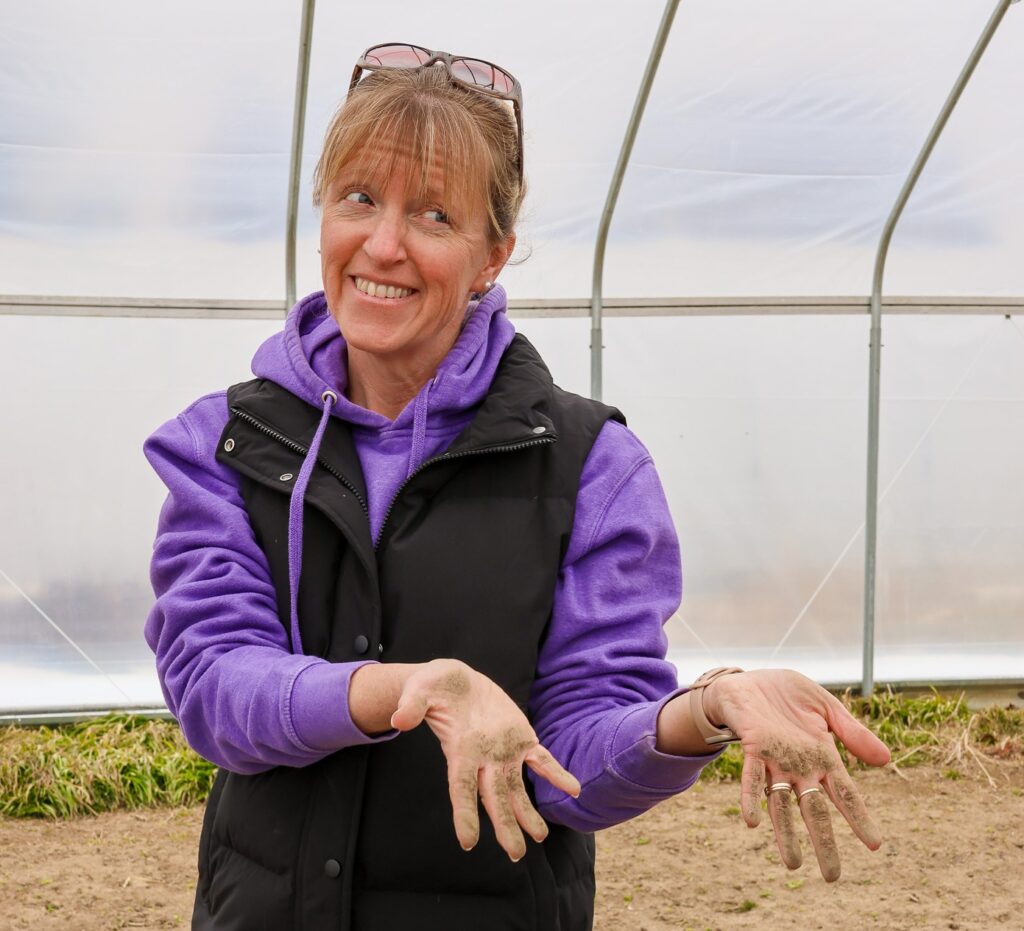
There is nothing like the smell of fresh turned Earth in the spring! But when you really consider it, what IS soil? How does it work? Why does it matter? Some people think - ugh, there's even bugs in it too. If this sounds like you, let’s take a closer look together at soil in general.
So What is Soil?
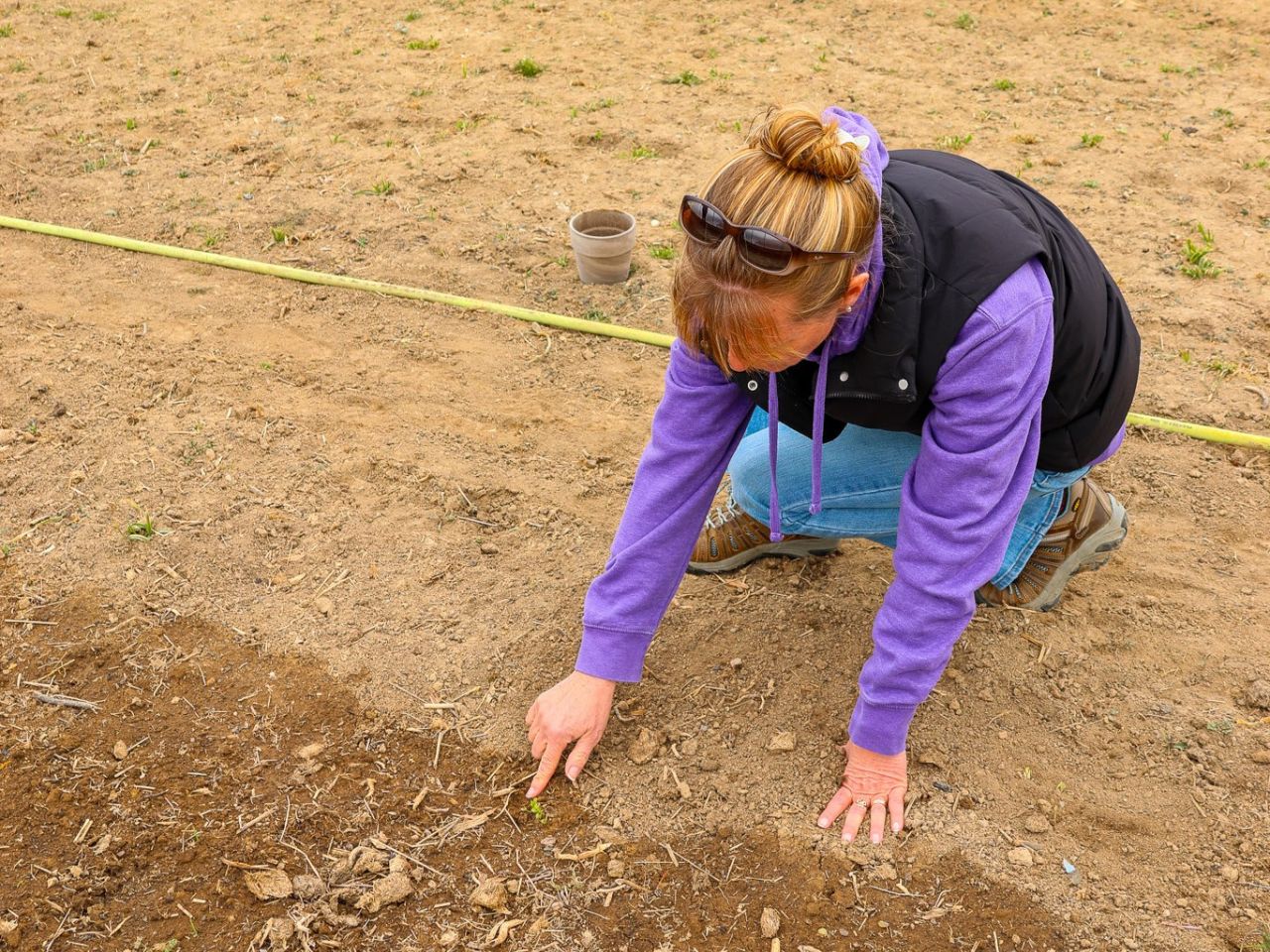
Let's start with the basics of what soil actually is. At it's most basic definition, soil is the loose surface material that covers the land and is composed of air, moisture, minerals, organic matter, and gasses to sustain life. It varies from location to location, is influenced by the biome and ecosystem you are in, and has its own microclimate depending on all these factors put together. Your backyard, your farm field, your raised bed and that pot on the patio all have their own soil ecosystem.
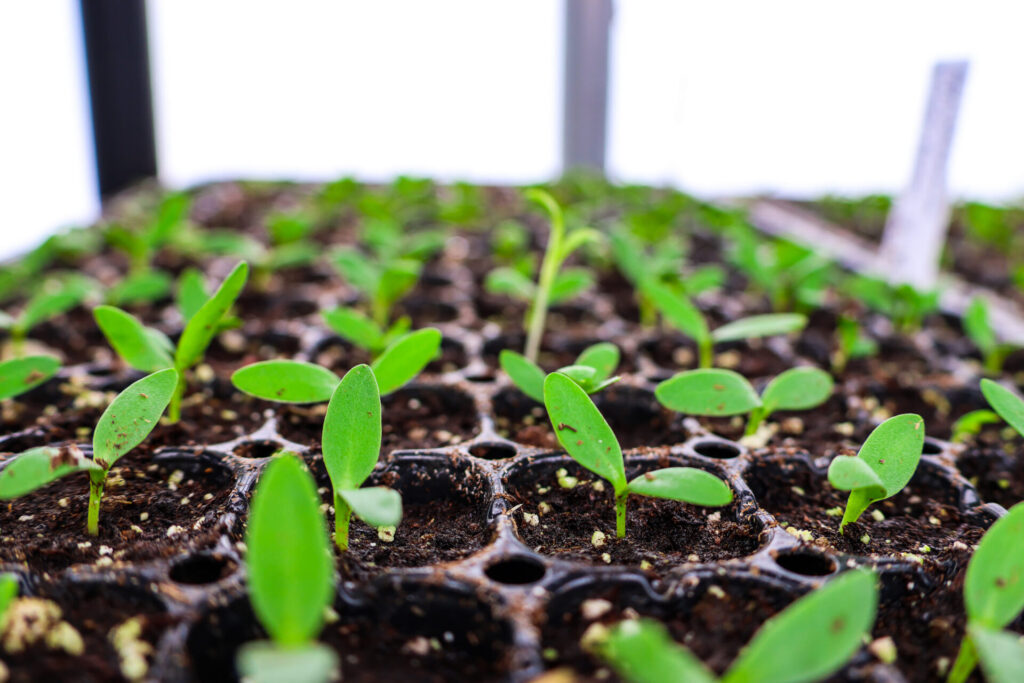
Simply stated? Soil is responsible for plant growth. The plant grows its roots down in the soil where it uses the soil for structure (to hold the plant in place) and to take up nutrients as well. The correct combinations of soil, air, water, minerals and nutrients are literally what make your garden grow. Want great plants? Start with great garden soil.
Are there Different Kinds?
Being one of Earth’s most important natural resources, there are a few things to know about soil before you decide to dig up a section and plant a garden.
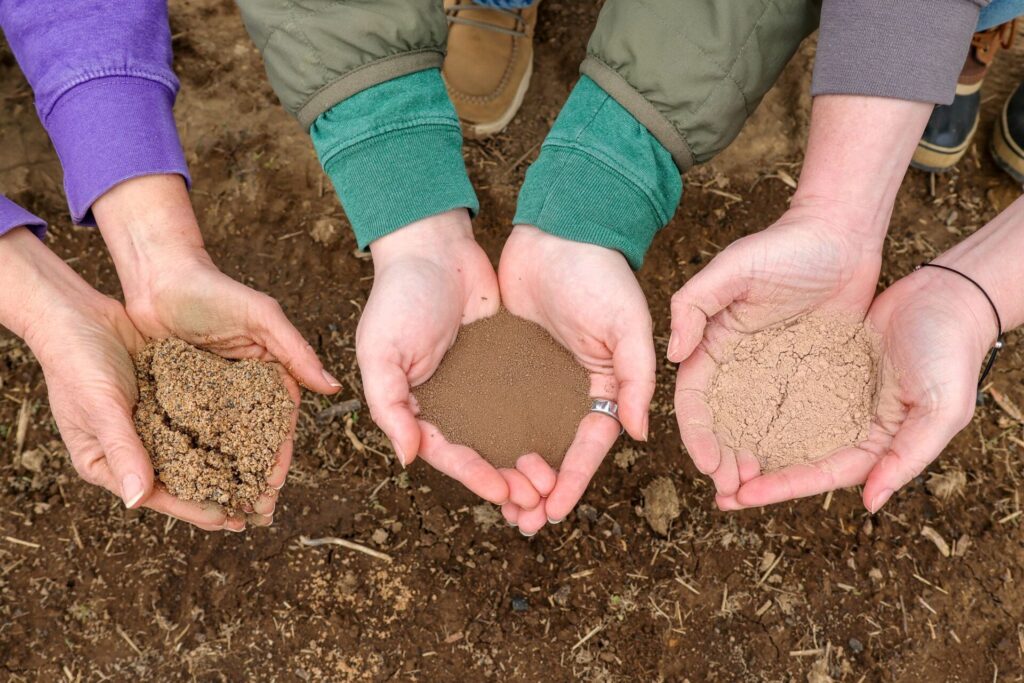
The type of soil that you have really impacts the way the plants can actually grow. Generally speaking, there are three loose categories that soil can be sorted into: sand, silt, and clay. Too much of any one of these and you have a problem growing your plants. Let's chat about these individually so you understand their differences.
Sand
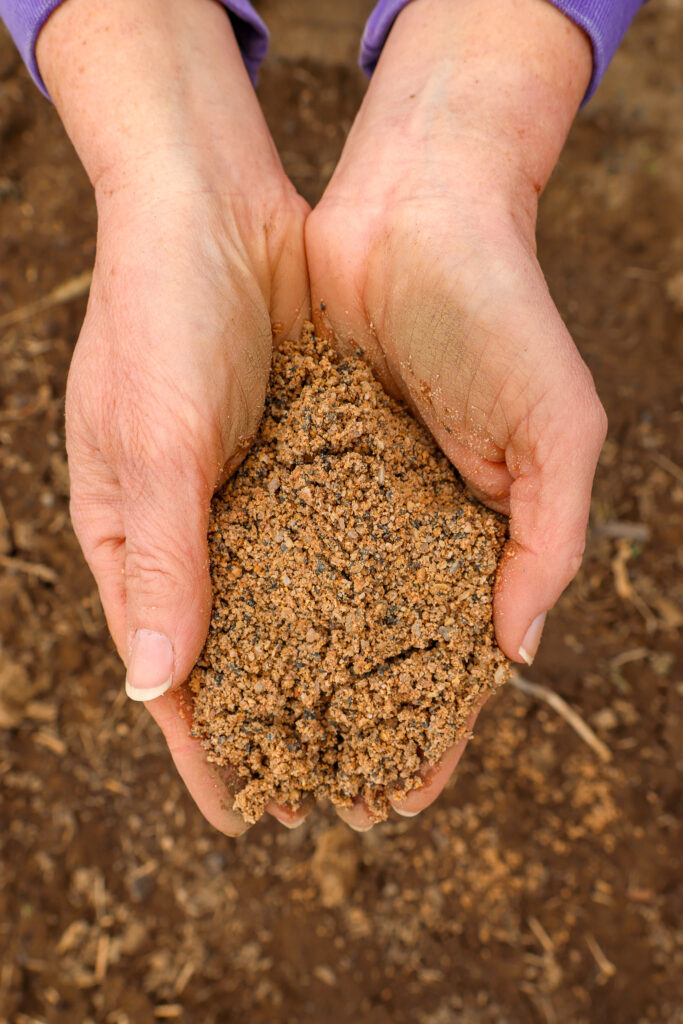
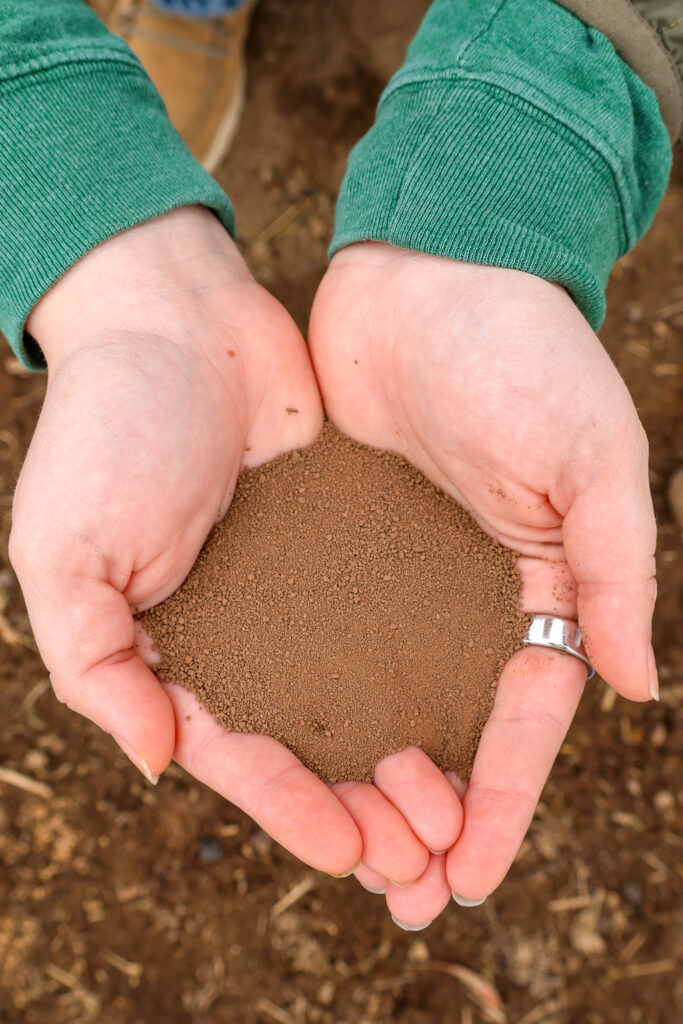
Sand is the largest sized particle of the three, yet holds the least amount of water and nutrients. Quick to drain and quick to erode, sand is a tricky soil type to grow in successfully. You would typically have to heavily amend this soil type because of the general lack of nutrient retention. Imagine trying to grow all of your classic garden flowers at the beach!
Silt
Silt is silky smooth to the touch and often described as slippery when wet, powdery when dry. This fertile soil is great for growing in, but too large a concentration of this type can cause a crust to form on top of your soil, making germination tough for seedlings. Compaction is another issue commonly present in this type of soil. Picture the soil becoming pressed together with lots of foot traffic in an area, to the extent that now water and nutrients can't move through the soil and the plants can’t grow there either. Silt can be a tricky soil to work with even though it has a great balance structurally.
Clay
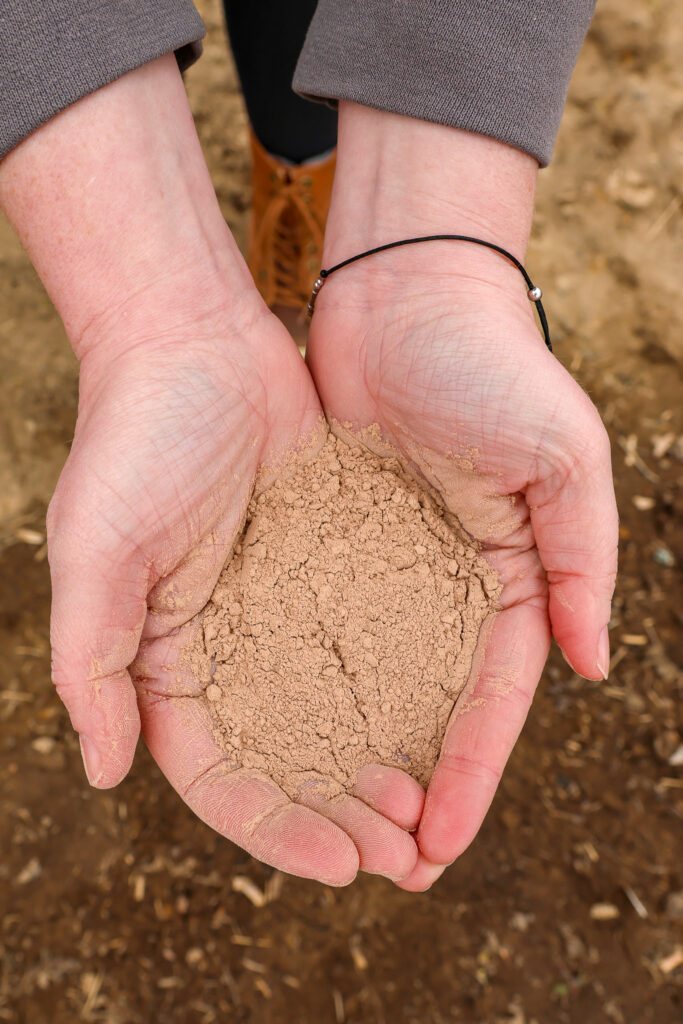
Clay is the densest and most compact of the three main soil types. It holds onto water and nutrients better than any other soil, which sounds like a good thing — until you actually try to grow plants in it. Because clay particles are extremely small and tightly packed, roots struggle to push through. Growth can become stunted, and in pure clay, some plants simply won’t grow at all. Imagine trying to force roots through the side of a clay pot — the resources may be there, but the roots can’t access them. Clay soil can be challenging to grow in, not because it lacks nutrients, but because it resists movement, airflow, and root expansion.
Which One Do I Need?
Ok - so which one of these is the best? A garden soil that is a balanced blend of all three types and has organic matter and living microorganisms in it. You need a little larger grain like sand for aeration, a little silt for nutrient retention, and a little clay in the soil to keep moisture levels constant.
What Else Goes Into Your Garden Soil?
Soil isn't just about the physical structure. There are a few other parts to the puzzle to consider when looking at healthy garden soil.
Microbes + Living Creatures
When microbes in the soil break down dead plants and animals, they create new organic matter. This increases the physical structure needed for plant growth, and helps with nutrient balance as well. The microbes found naturally in the soil all work together to create this living system for plants and are all part of the soil formation. Adding amendments to improve garden soil quality works alongside the microbes by providing more organic matter for them to break down. This part of the soil cycle really comes to life when all the parts are working together!
While the microbes cover the living bits we can’t see with the naked eye, there are lots of others that we can. Everyone who has started digging around in their garden, whether pulling weeds or planting something new, has come across at least one type of soil loving critter! From earthworms to beetles, and the roly poly bugs that thrive in leaf litter, healthy soil should be alive.
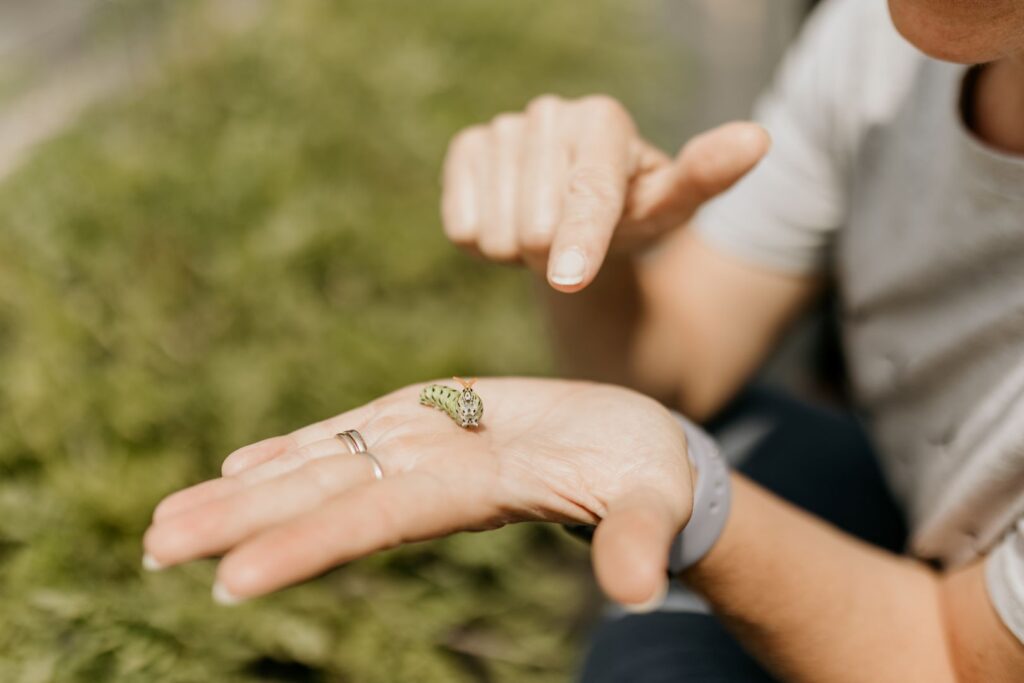
All of these living things work together in harmony to help support the soil for your plants to grow best. Whether it’s nutrient cycling on a cellular level with microbes, or all those fun bugs actively mixing soil layers, creating channels for air and water to pass through - they influence the very soil chemistry. Not to get all nerdy here, but there is a whole other universe living under our very feet!
Garden Soil Amendments
Amendments can get pretty tricky and some folks immediately turn to fertilizers in order to improve their plant growth. While fertilizers have their place, amendments help build the soil naturally so plants can benefit from all aspects of what the soil contains. It might be a slower approach that requires steady and consistent involvement, but has longer lasting benefits than a quick hit of fertilizer.
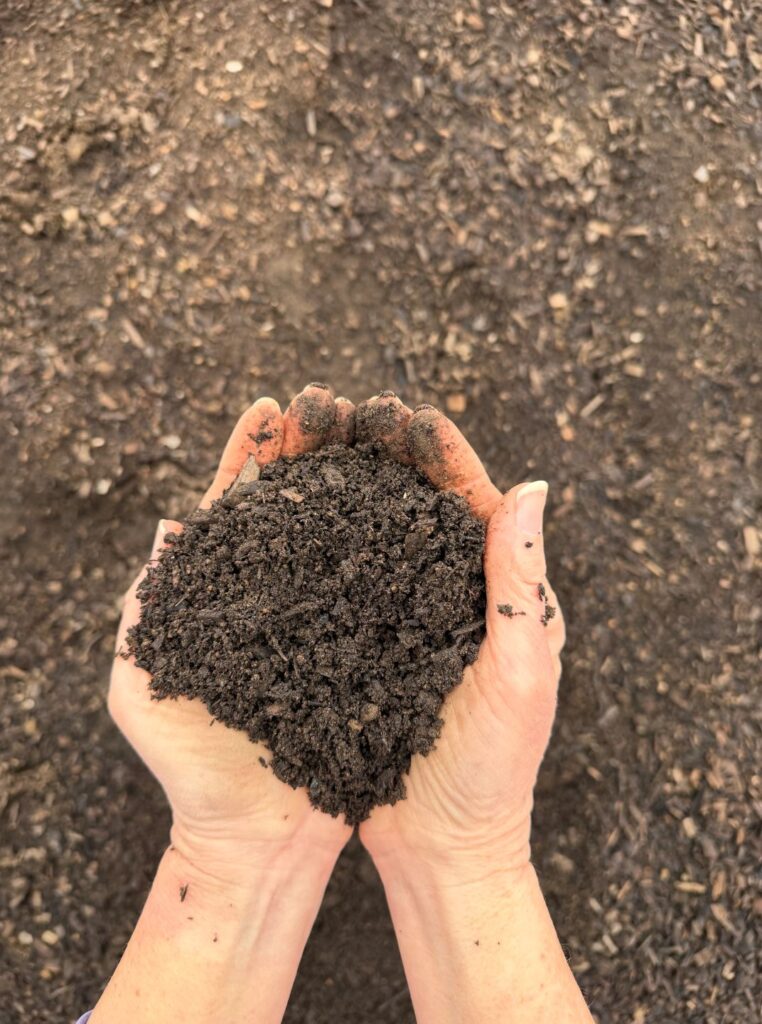
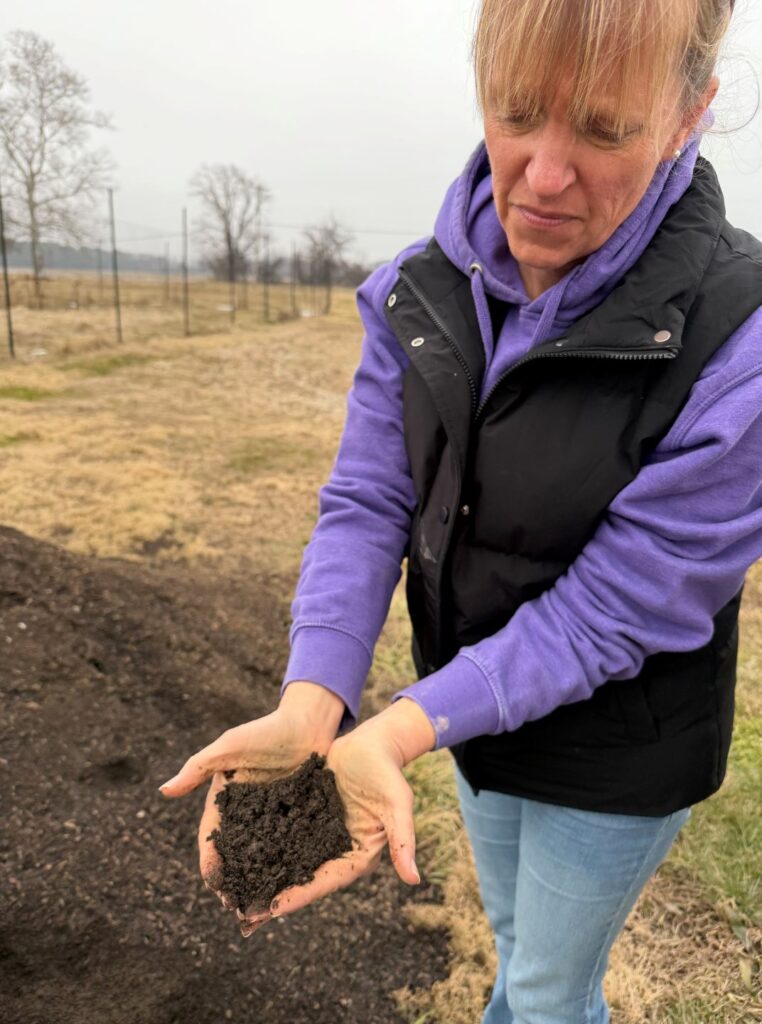
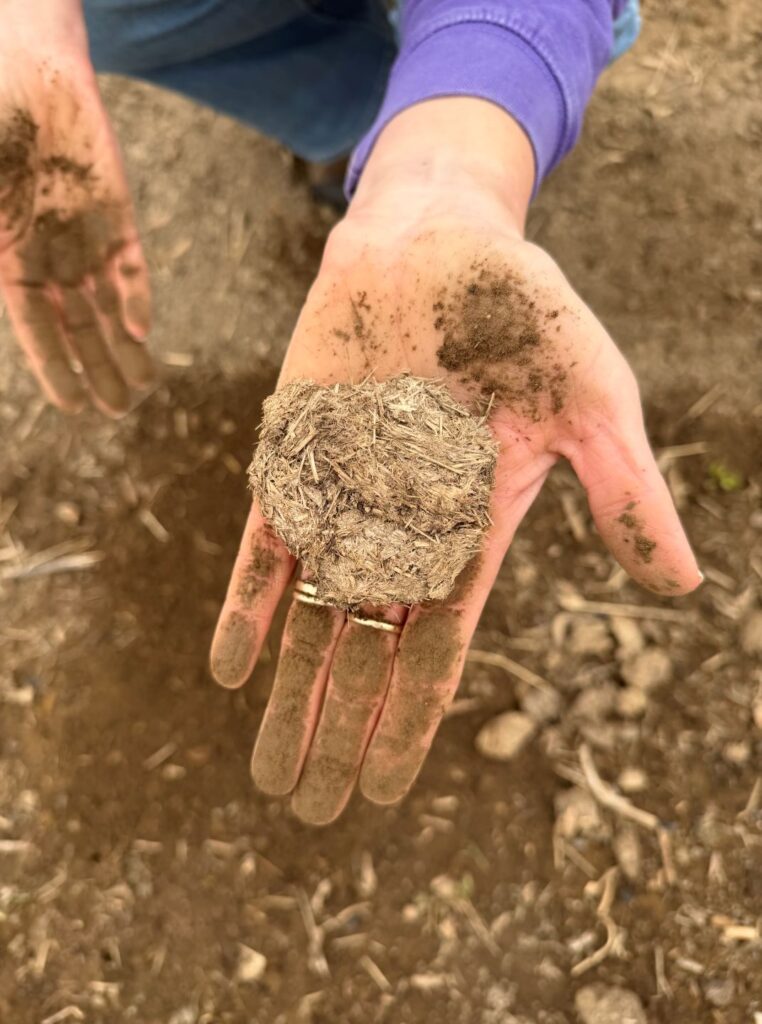
By far the best amendment is compost. Simply stated, compost takes the best parts of what's left over from other parts of decaying plants or food, breaks them down through biological processes to return them to the garden as a natural fertilizer. Not chemical based, compost improves soil structure and function as well so it serves as a doubly beneficial amendment.
When growing varieties of flowers that are good for cutting, you’ll need well-drained soil (they generally don't like wet feet), balanced nutrients, and organic matter to grow well. If you are companion planting flowers and vegetables together, they have enough of a similar soil needs profile that you should be okay. If you want to focus on growing flowers specifically, that’s where we can help you figure out a more strategized plan!
Let's Get Growing!
If you are reading this and wondering where to start when beginning a garden for the first time, looking to improve your growing through soil amendments, or are a seasoned grower looking to just brush up on a few of the basics, our interactive soil course is for you! Filled with hands-on and hands-in activities that are designed to not be overwhelming or difficult, our soil course is a good place to start. We talk in more detail about soil and how to improve it as well as activities to help you discover your garden’s unique soil personality. COMING SOON!!!
We also talk about soil in depth in a few of our Flower Files Podcast episodes:
- Episode 53: Soil Secrets: How to Build Healthy Soil Beds
- Episode 102: What Does It Mean to Amend Your Soil?
- Episode 103: All About Composting - What if Our Best Flowers Start with What We Throw Away?
No matter where you are on your soil journey there is one important thing to remember: soil is living, dirt is dead. Dirt is what you sweep up off the floor, soil is what you grow things in. What you have determines what you grow and how successful you are. Check out our other blogs from Around the Farm to help get you started!!
Here's to getting dirty, and happy growing!!!