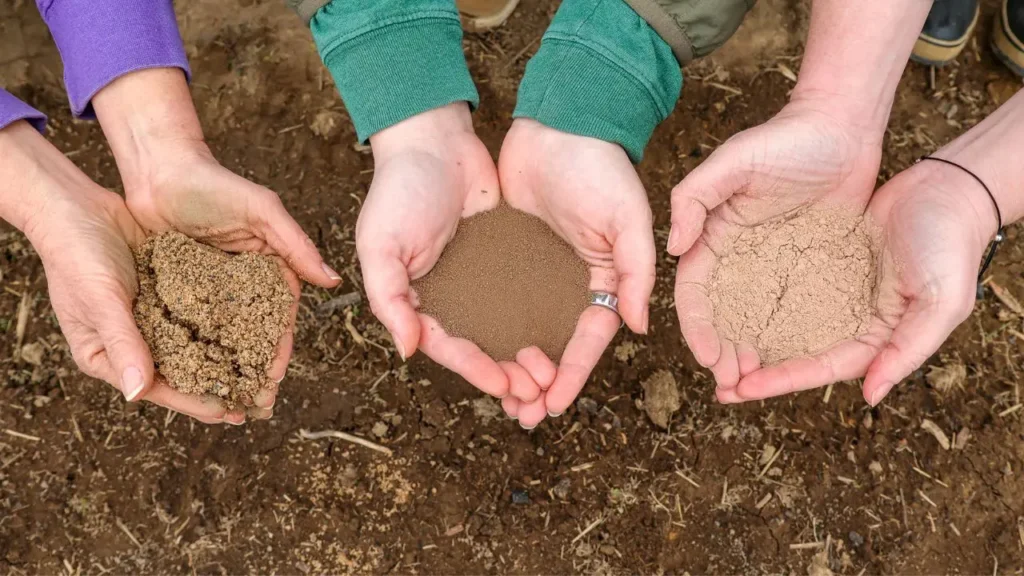

We say this a lot on The Flower Files but it’s worth repeating: Soil is not dirt.
Soil is the dark, crumbly magic that makes every bloom possible.
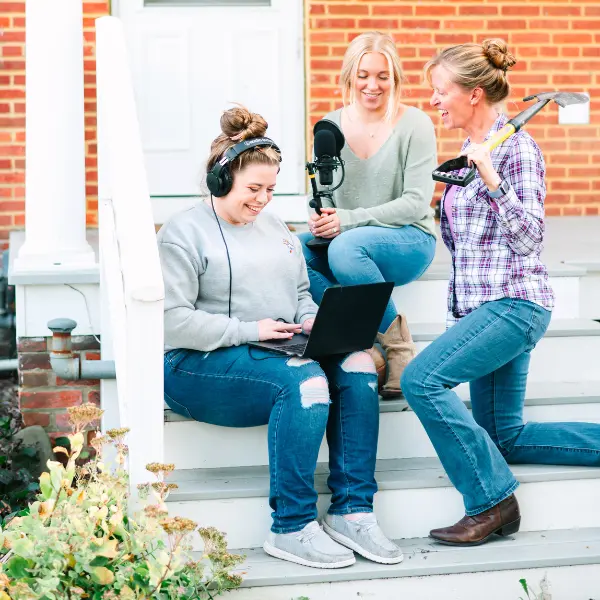
In Episode 103, we sat down with Ryan from Shore Soils to dig into composting, large-scale organics recycling, and what it really takes to turn food waste into finished compost.
Because compost isn’t just a pile out back. It’s science. It’s logistics. It’s education. And when done well, it’s one of the most powerful tools for building healthy soil.
Here at Wildly Native Flower Farm, soil health is everything. And this conversation takes that foundation even deeper.
How Shore Soils Got Started
Ryan didn’t grow up planning to build a composting company.
After working on a farm in Northern Maryland and serving in the military, he saw a growing issue:
- More people
- More waste
- No new landfills
- Limited sustainable solutions
Composting — or more accurately, organics recycling — became the answer.
Not just as a business, but as a mission.
He became certified through the U.S. Composting Council and built Shore Soils to address both waste diversion and soil health across Maryland’s Eastern Shore.
And here’s something important:
He says 75% of what he does is consumer education.
Because most people love the idea of composting — but don’t understand the layers behind it.
Residential vs. Commercial Composting: What’s the Difference?
Most of us think of composting as:
- A tumbler in the backyard
- A pile in the corner
- Kitchen scraps layered with leaves
That’s residential composting.
Commercial composting? It’s a different world.
We’re talking:
- 300-foot windrows
- Aerated static piles
- Temperature thresholds
- Pathogen reduction standards
At home, composting depends on:
- Time
- Attention
- Space
- Correct ratios
At scale, composting depends on:
- Infrastructure
- Airflow systems
- Thermal mass
- Logistics
It’s not just “let it rot.” It’s carefully managed biological activity.
Greens vs. Browns: What Do Those Actually Mean?
This is where a lot of gardeners get confused.
In composting language:
- Greens = Nitrogen-rich materials
- Browns = Carbon-rich materials
Examples:
- Kitchen scraps → usually nitrogen (greens)
- Dry fall leaves → carbon (browns)
- Fresh leaves on trees → nitrogen
- Wood chips → carbon
Even leaves change categories depending on when they fall.
Every input is called a feedstock — and balancing feedstocks correctly determines whether compost thrives or turns into smelly muck.
If your compost smells like ammonia or rot?
The ratio is off. It’s gone anaerobic.
Properly managed compost should smell earthy — like freshly turned soil.
Can You Compost Meat and Dairy?
Short answer:
Yes — but not usually at home.
Commercial composting facilities can process:
- Meat
- Fish
- Bones
- Shells
- Dairy
Why?
Because they can reach what’s called PFRP (Process to Further Reduce Pathogens):
- Minimum 131°F
- Maintained for a specified time
That heat level makes materials safe and stable.
Most backyard piles can’t consistently hit those temperatures.
So residential composting stays simpler. Commercial systems can handle more.
How Aerated Static Piles Work
Shore Soils uses an aerated static pile system.
Here’s how it works:
- Perforated pipes are laid beneath long compost bays.
- Wood chips create airflow space.
- Compost feedstocks are layered on top.
- A wood chip “biofilter” cap seals the pile.
- Blowers run on timers — pushing oxygen upward.
Instead of turning piles daily with heavy equipment, air is injected from below.
The result?
- Faster processing
- Consistent oxygen
- Reduced odor
- More stable compost
They can go from raw material to stable compost in about eight weeks.
That’s dramatically faster than most backyard setups.
The Biofilter: Why Compost Doesn’t Smell (When Done Right)
One of the most fascinating parts of this conversation was the concept of a biofilter.
A thick cap of wood chips on top of compost piles:
- Filters odor
- Absorbs gases
- Supports microbial balance
When properly managed, compost shouldn’t smell foul.
If it does:
- It’s too wet
- It’s lacking oxygen
- The nitrogen is too high
Compost tells you what it needs — if you know how to read it.
Sound familiar?
(If you listened to Episode 102, you know soil speaks, too.)
Composting & the Floral Industry
This hit home for us.
In weddings and flower shops, nearly everything is:
- Compostable
- Recyclable
- Reusable
But at 11:30 PM after a 5:30 AM start, sometimes logistics win.
In cities especially, composting access determines what gets diverted — and what goes to landfill.
Ryan works with flower shops across Maryland to divert floral waste into compost streams.
It’s one of the most sustainable models in retail — when infrastructure supports it.
What Happens to the Finished Compost?
Here’s what makes this even more impactful:
Shore Soils donates about half of what they produce.
That includes:
- Returning compost to participating homes
- Allotments for restaurants
- Community donations
- Local soil enrichment projects
The rest becomes:
- Straight compost
- Topsoil blends
- Custom soil mixes
If you can dream the ratio — they can blend it.
Why Compost Matters for Gardeners & Flower Farmers
We’ve seen it ourselves at Wildly Native.
The sections of our farm where we’ve consistently added organic matter?
They grow better.
Less compaction.
Stronger roots.
Higher yields.
More resilient plants.
Compost improves:
- Soil structure
- Microbial life
- Water retention
- Drainage balance
- Root development
It literally unlocks the soil.
And here’s the truth:
You can’t out-fertilize compacted soil.
Healthy soil starts with biology.
Sustainable Agriculture Starts Below the Surface
Ryan said something powerful:
Maritime health starts on land.
Every choice — from restaurant waste to wedding flowers — affects what eventually returns to soil and waterways.
Composting isn’t trendy.
It’s cyclical.
It’s restorative.
It’s practical environmental stewardship.
And whether you’re running a farm, tending a raised bed, or nurturing a single houseplant — compost changes the game.
Where to Learn More
If you’re in Maryland and want to explore compost pickup, soil blends, or organics recycling, you can find Ryan and his team at:
And if you’re building your soil intentionally, start small:
- Improve organic matter
- Balance greens and browns
- Observe smell and texture
- Reduce compaction
Your soil will tell you the rest.