The fields may be quiet, but behind the scenes, a flower farmer's work is never really done.
When most people picture a flower farm, they imagine rows of colorful blooms, butterflies drifting between blossoms, and buckets overflowing with freshly harvested flowers. And honestly? Those are some of our favorite moments, too.
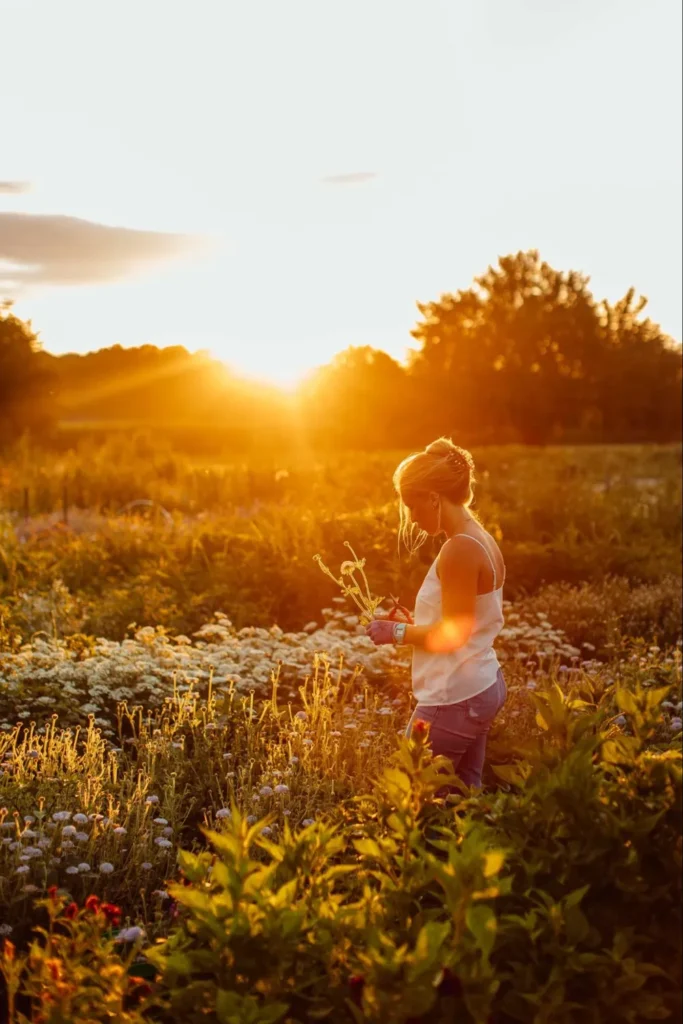
But what happens when the temperatures drop, the last dahlias have been dug (finally), and frost settles over the fields?
Do flower farmers pack up their tools, grab a cozy blanket, and spend the next three months curled up next to the wood stove with a great book or Netflix?
We wish!
Here at Wildly Native Flower Farm on Maryland's Eastern Shore, winter looks a little different. While the fields may appear to be resting, there's an incredible amount happening behind the scenes. In fact, some of the most important work we do all year happens when there isn't a single flower blooming in the field.
So what do flower farmers actually do in winter? We review the season we just finished, plan next year's flowers, care for our soil, grow under cover, book and design weddings, get creative with dried flowers, fix everything that broke, teach and share what we've learned, and (yes) try to rest. Here's what each of those really looks like.
1. The Growing Season Gets a Report Card
Before we can plan for another beautiful season, we have to take a good look at the one we just finished. And believe me, every growing season has a few lessons to teach us.
Some flowers absolutely knocked it out of the park. Others? Well, let's just say they won't be receiving an invitation back next year.
Winter is when we review what worked, what didn't, and what needs to change. We look at things like:
- Which flowers produced the most usable stems?
- Were our rotations correct, and where do we need to adjust?
- What varieties were our wedding clients requesting?
- Which plants struggled with pests, disease, or unpredictable weather?
- Did we plant enough of our most popular flowers?
- What should we grow more (or less) of next season?
This is one of the most valuable habits any gardener can develop, whether you're managing acres of flowers or a few raised beds in your backyard.
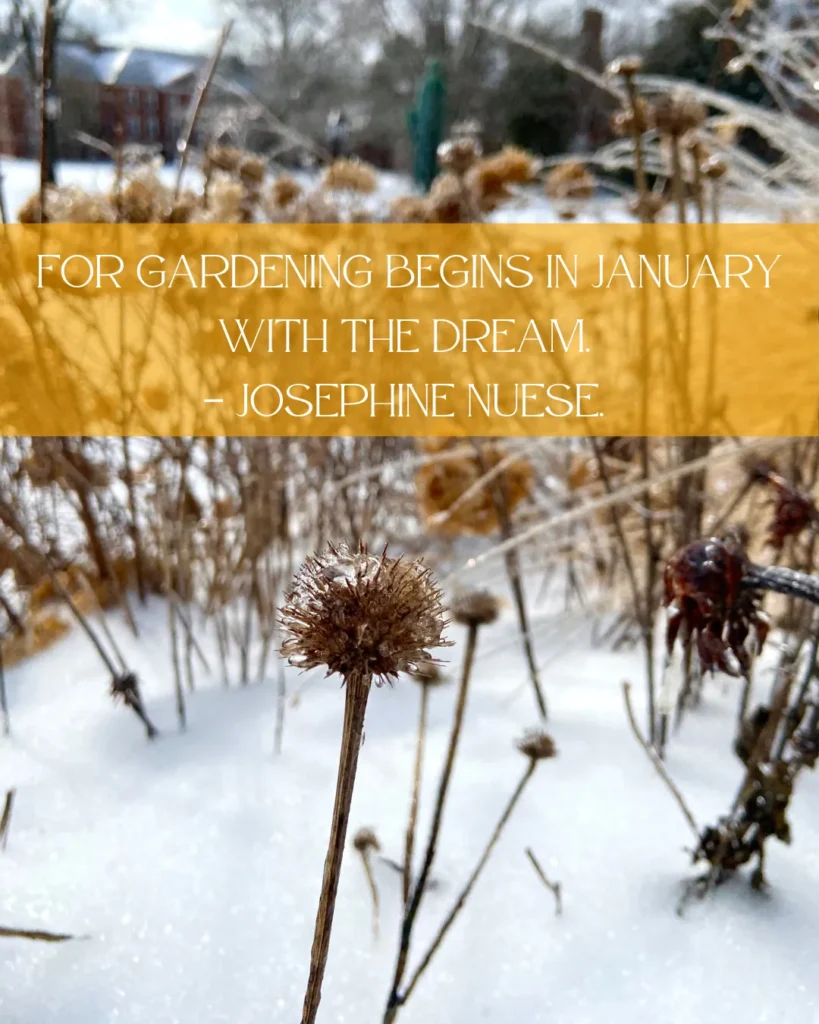
The best gardens aren't necessarily the ones with the most plants. They're the ones with the best plans. And as hard as it is, sometimes those plans begin with admitting that a particular flower just isn't worth the headache.
2. We're Already Planning Next Year's Flowers
If you think flower farmers wait until spring to decide what they're planting, I have some news for you. By the time spring arrives, we're already behind if we haven't done our homework.
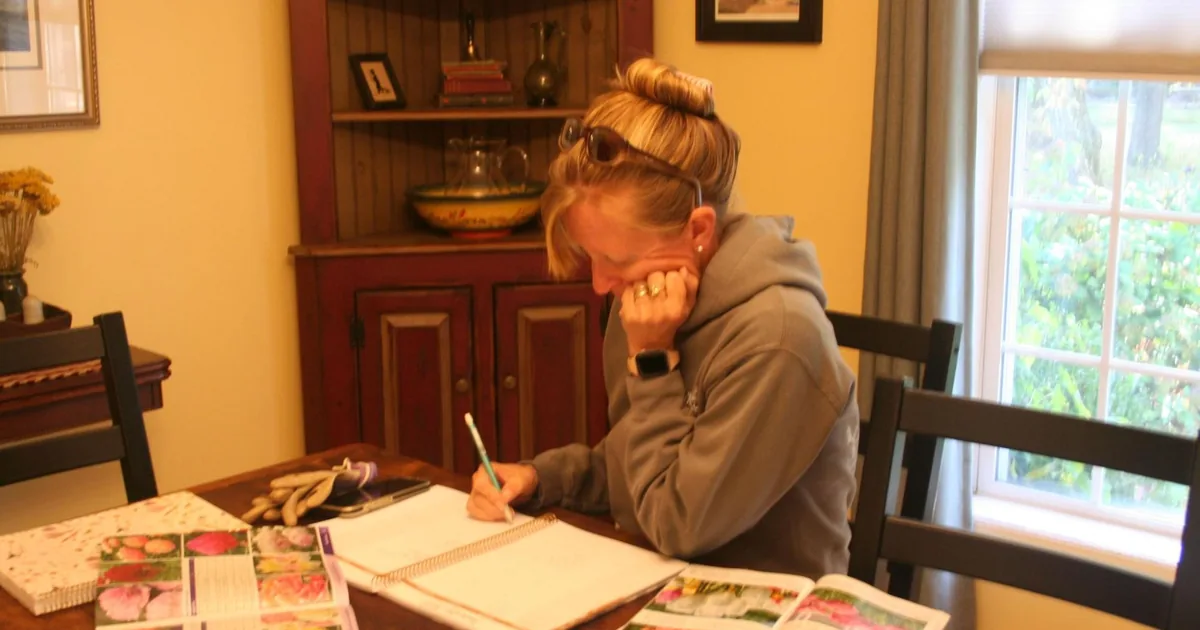
Winter means seed catalogs, spreadsheets, planting schedules, and an almost unreasonable number of conversations about flowers. We're selecting varieties, calculating how many plants we'll need, and mapping out where everything will grow.
But flower farming isn't just about deciding what looks pretty.
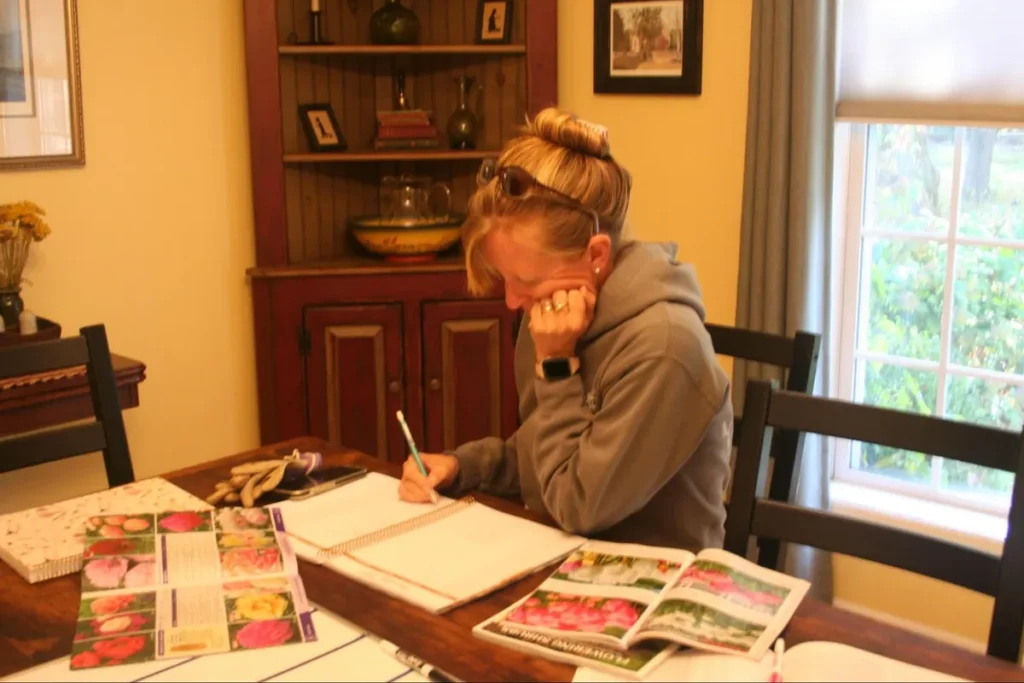
We also have to think about bloom times, stem lengths, productivity, color palettes, and the flowers we'll need for upcoming weddings and events, which change every year. A wedding in June requires a very different growing plan than one in September. And because Mother Nature doesn't always cooperate with our carefully organized calendars, we have to build flexibility into those plans.
For home gardeners, this is also the perfect time to start thinking about next year's garden. What colors do you want? What flowers do you love? What struggled last year? (If you need inspiration, The Bloom Book is a great place to start.) And perhaps most importantly, how much space do you actually have?
Because buying 47 packets of seeds when you have room for 12 plants is a surprisingly common gardening problem. (Not that we'd know anything about that.)
Need a little help organizing your growing season? Our free Cut Flower Garden Planning Guide is designed to help you turn all those exciting garden ideas into an actual, usable plan.
3. The Soil Is Working Even When We Aren't
One of the biggest misconceptions about winter is that nothing is happening underground.
The truth is that healthy soil is a living ecosystem, even when the surface looks quiet. Roots, microorganisms, fungi, and organic matter all play important roles in maintaining soil health. Biological activity slows when soil temperatures drop, but the processes that support future plant growth don't simply disappear.
Winter gives us an opportunity to evaluate our soil and make thoughtful decisions about the coming growing season.
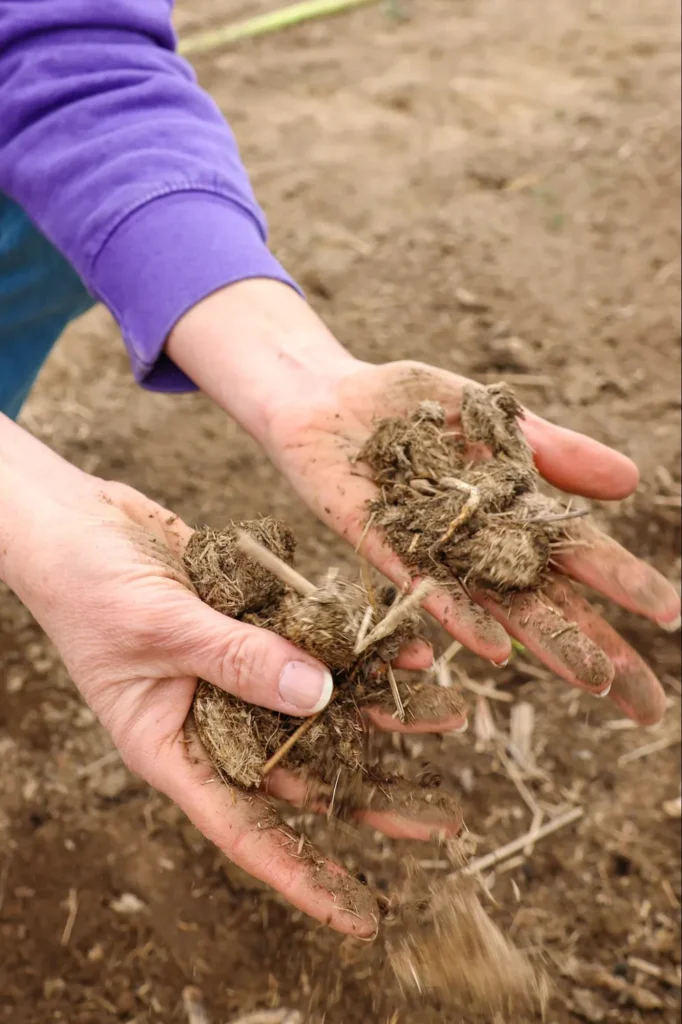
Depending on how your plants grew and your soil conditions, that might include reviewing soil test results, planning amendments, protecting exposed beds, or deciding where additional organic matter is needed.
And here's something I wish more gardeners understood: adding more fertilizer isn't always the answer to struggling plants.
Sometimes the problem is soil structure, drainage, pH, or nutrients that are already present but unavailable to the plant. Understanding what's happening beneath your feet can save you time, money, and a whole lot of frustration.
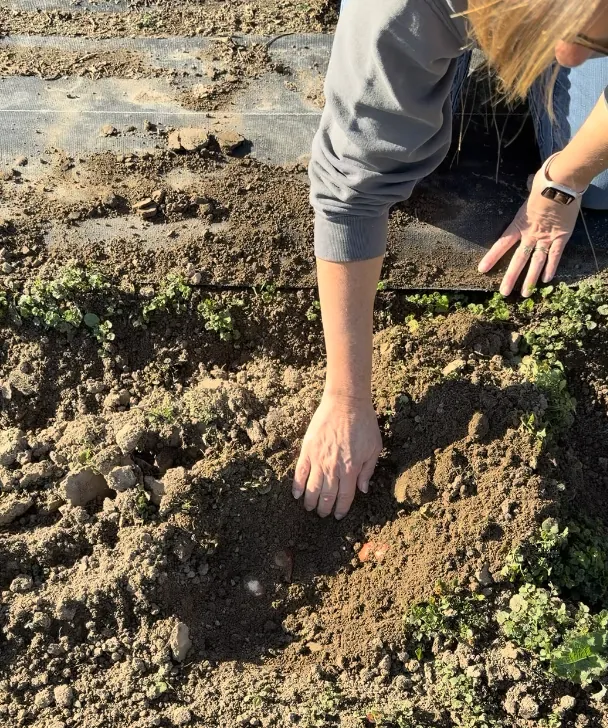
That's one reason I'm so passionate about teaching soil health. You don't need to become a soil scientist to grow beautiful flowers, but understanding the basics makes an enormous difference. It's exactly why I created Soil Made Simple, so you can learn those basics without the overwhelm.
4. Winter Doesn't Mean Nothing Is Growing
Just because the outdoor fields are quiet doesn't mean all flower production has stopped.
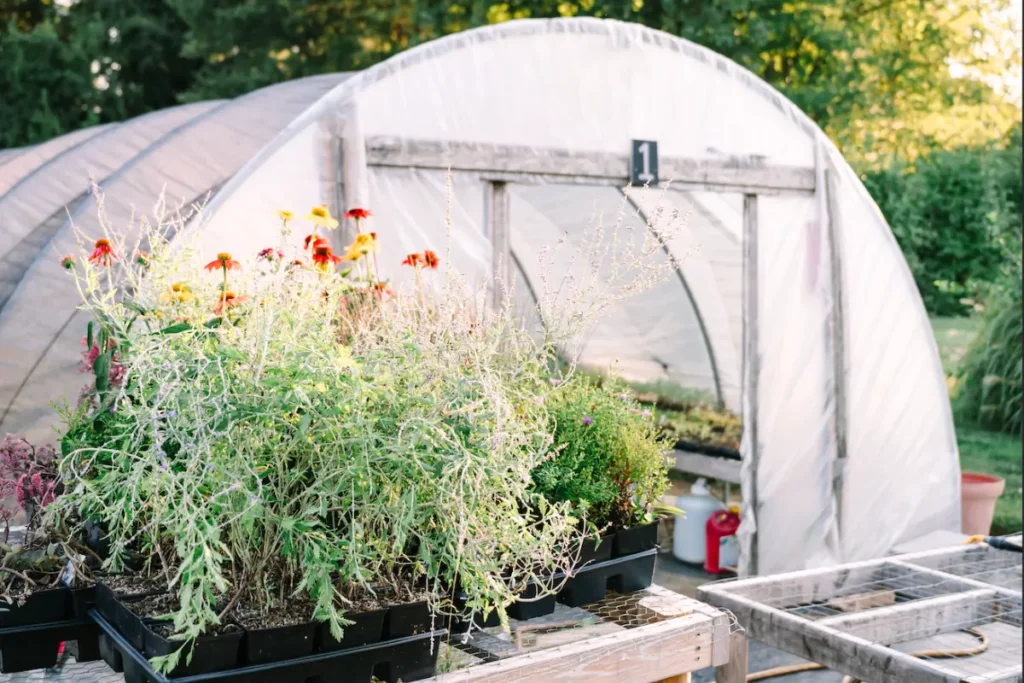
Cool-season flowers can be surprisingly resilient, especially when they're grown with the right protection. Depending on the crop and conditions, growers may use hoop houses, low tunnels, row covers, and other season-extension techniques to protect plants from harsh weather.
At Wildly Native, our hoop house is an important part of how we think about extending the growing season. But growing under cover isn't quite as simple as putting plastic over some plants and hoping for the best. Temperature swings, humidity, ventilation, watering, and condensation all become part of the equation.
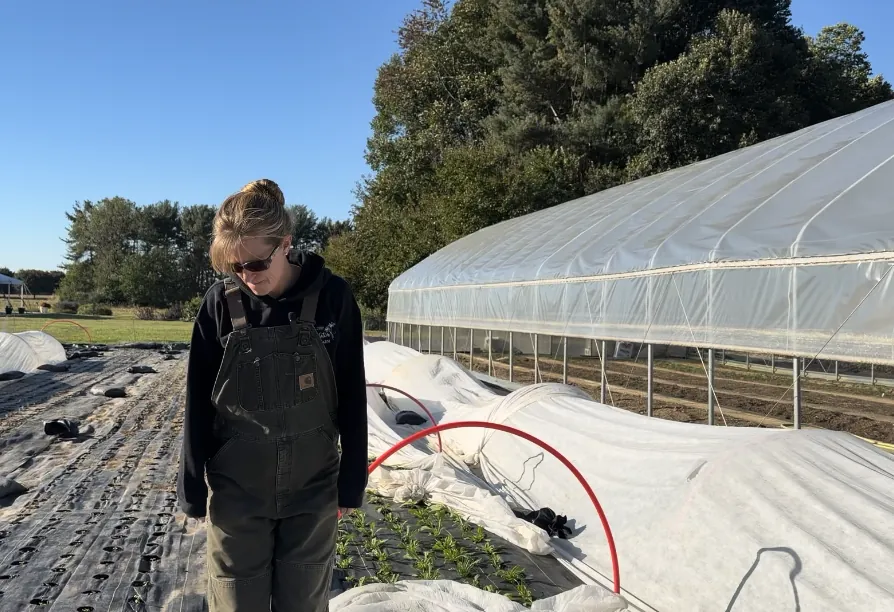
A sunny winter afternoon can warm a covered growing space much faster than people expect, while nighttime temperatures can still create serious challenges. And sometimes the biggest challenge isn't keeping plants warm. It's keeping them from getting too warm or too damp.
If you've ever considered adding a hoop house to your own garden or flower farm, I sat down with Jonathan, the founder of Farmers Friend, on The Flower Files to talk through the realities of buying one. You can read more in Before You Buy a Hoop House, and if you're curious what we actually grow in ours, Episode 36 has you covered.
Because a hoop house can be an incredible tool, but it definitely isn't a magic greenhouse.
5. Wedding Season Doesn't Actually End
Here's something that surprises people: even when we're not harvesting flowers, we're still very much in the wedding business. Winter is an important planning season for floral designers.
We're meeting with couples, developing floral concepts, reviewing inspiration photos, building proposals, and coordinating with venues and other wedding professionals.
Every wedding has its own personality. Some couples dream of soft, romantic garden flowers. Others want bold color, dramatic installations, or arrangements that feel as though they've been gathered straight from a meadow. Our job is to translate those ideas into floral designs that work beautifully for the event.
And when you grow flowers as well as design with them, there's another layer of planning involved.
We're already thinking about which locally grown flowers might be available for each wedding and how to weave them into the overall design. A wedding bouquet may only take a moment to admire, but the planning behind it can begin months before the first stem is cut.
Planning your own celebration? You can learn more about our wedding flowers here.
6. We're Finding New Ways to Enjoy Flowers
One of my favorite things about working with flowers is that their beauty doesn't have to end when the growing season does.
Winter gives us time to explore the other ways flowers and botanicals can become part of everyday life. Dried flowers, wreaths, botanical crafts, and seasonal greenery let us enjoy natural materials long after summer has passed.
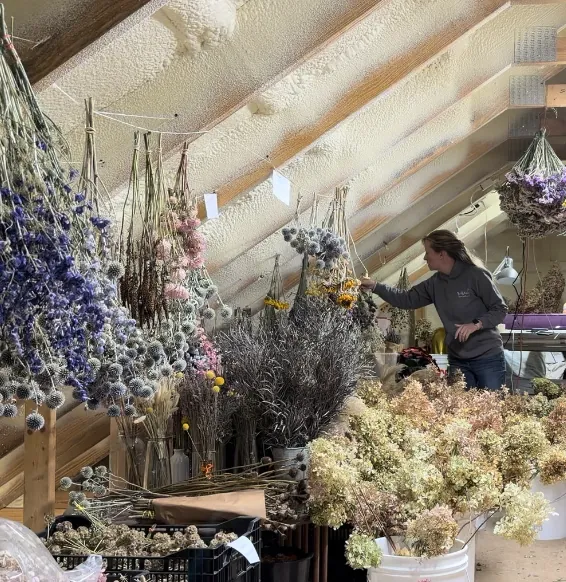
At Wildly Native, this creative side of the farm is something we love exploring. Through Petal Pantry, we also celebrate the connection between plants, flowers, and the things we create and enjoy.
It's a reminder that flowers aren't just something to grow in a garden or arrange in a vase. They can be part of our homes, celebrations, traditions, and everyday experiences. And sometimes a quiet winter afternoon is exactly when a new idea begins to take shape.
7. We're Fixing Everything That Broke During the Growing Season
Let's talk about the less glamorous side of flower farming.
The equipment. The irrigation. The tools.
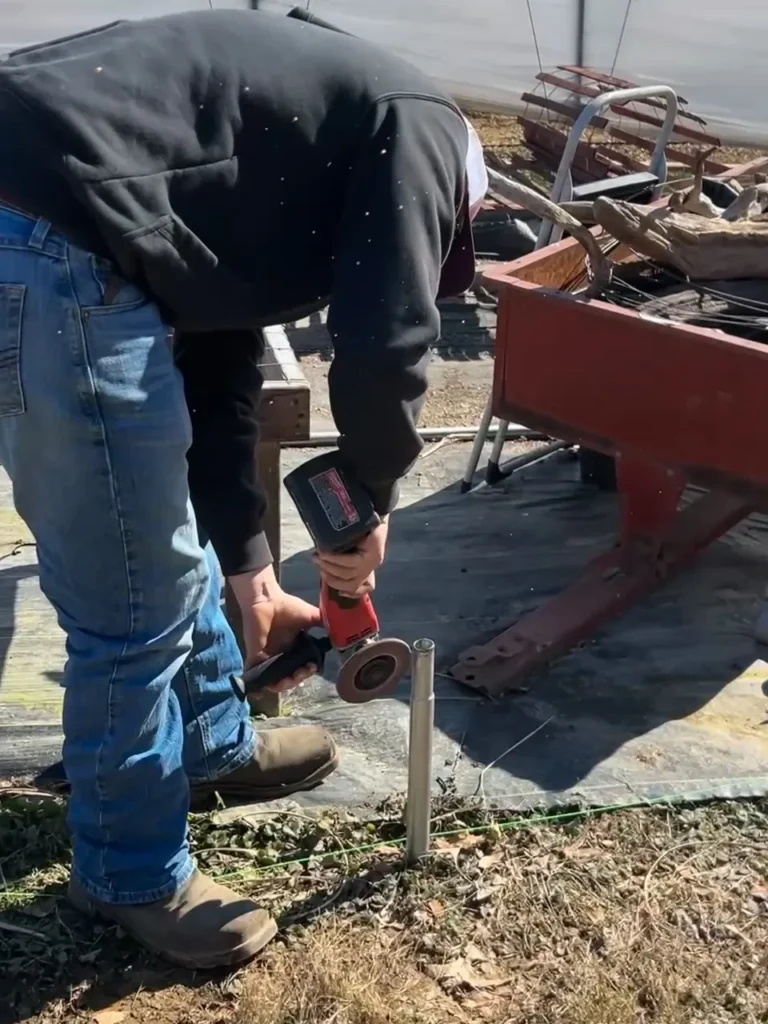
The things that worked perfectly in April and somehow developed a mind of their own by August.
Winter is when we finally have time to tackle the repairs and improvements that got pushed aside during the busiest months. That might mean organizing supplies, maintaining tools, repairing growing structures, checking irrigation systems, or improving how we move flowers from the field to the design studio.
These projects aren't particularly glamorous. Nobody is rushing to Instagram to admire a beautifully organized box of irrigation fittings. But these improvements make an enormous difference when spring arrives and everything suddenly needs attention at once.
A well-organized farm in winter is a much happier farm in June.
8. We're Learning, Teaching, and Sharing Stories
Winter also gives us something that's hard to find during peak growing season: time to reflect.
It's when we can step away from the daily rhythm of harvesting and designing to explore new ideas, connect with other growers, and share what we've learned. That's a big part of why I love creating educational content through Wildly Native and hosting The Flower Files podcast.
There are so many fascinating stories connected to flowers. Some are about growing techniques and soil science. Others are about pollinators, wildlife, small businesses, wedding design, and the people who dedicate their lives to working with nature. And some stories are simply about the things that went completely sideways on the farm.
Because if you've spent enough time growing flowers, you know that nature has a pretty good sense of humor.
The goal isn't to pretend every season is perfect. It's to keep learning, keep experimenting, and share the lessons along the way. (That's exactly what we do together inside Rooted, our growing community.)
9. And Yes, We Do Try to Rest
I know. Shocking.
Flower farming is physical work, and the growing season can be relentless. There are early mornings, long harvest days, unpredictable weather, and weekends filled with weddings and events. Winter gives us a chance to slow the pace, even if the work never completely stops.
Rest matters.
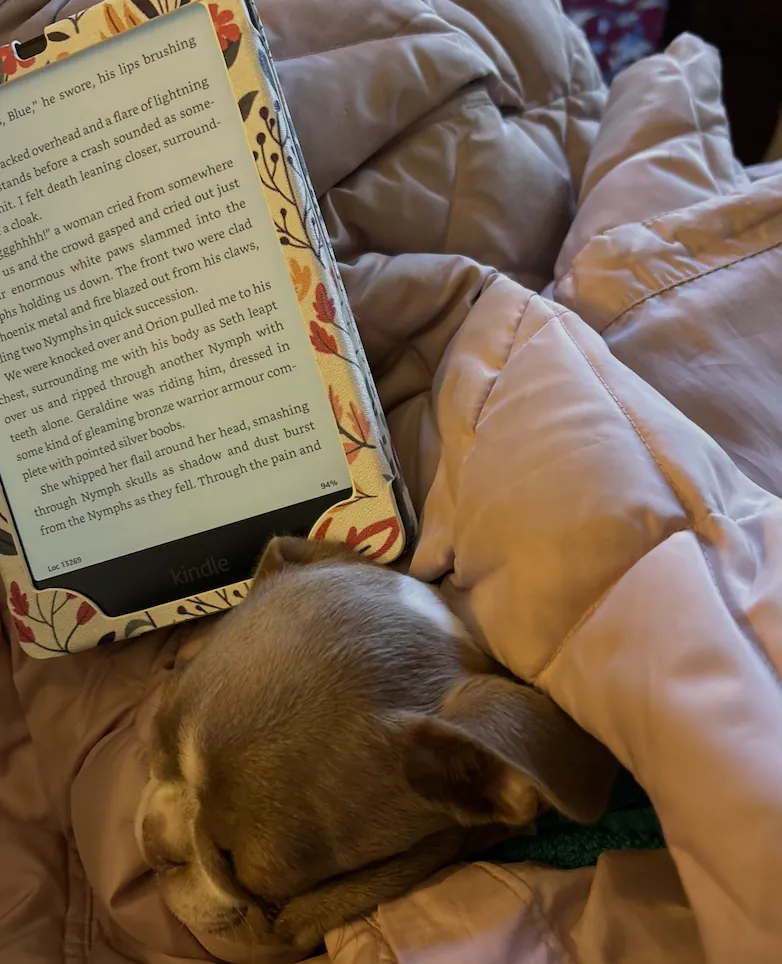
Not just because we're tired, but because creativity, problem-solving, and good decision-making are hard when you're running on empty. A little breathing room lets us return to the next growing season with fresh ideas and renewed enthusiasm.
Although, if we're being realistic, I'll probably spend at least part of that downtime looking at seed catalogs. Apparently, it's an occupational hazard.
The Farm Is Quiet, But the Story Continues
There's something special about a flower farm in winter.
The colors are a little more muted. The pace changes. The fields that were once overflowing with blooms settle into a much-needed rest. But beneath that quiet landscape is an incredible amount of preparation for what's coming next.
Every seed ordered, every bed planned, every piece of equipment repaired (mostly), and every lesson learned helps shape the next season. That's one of the things I love most about farming. There's always another opportunity to grow.
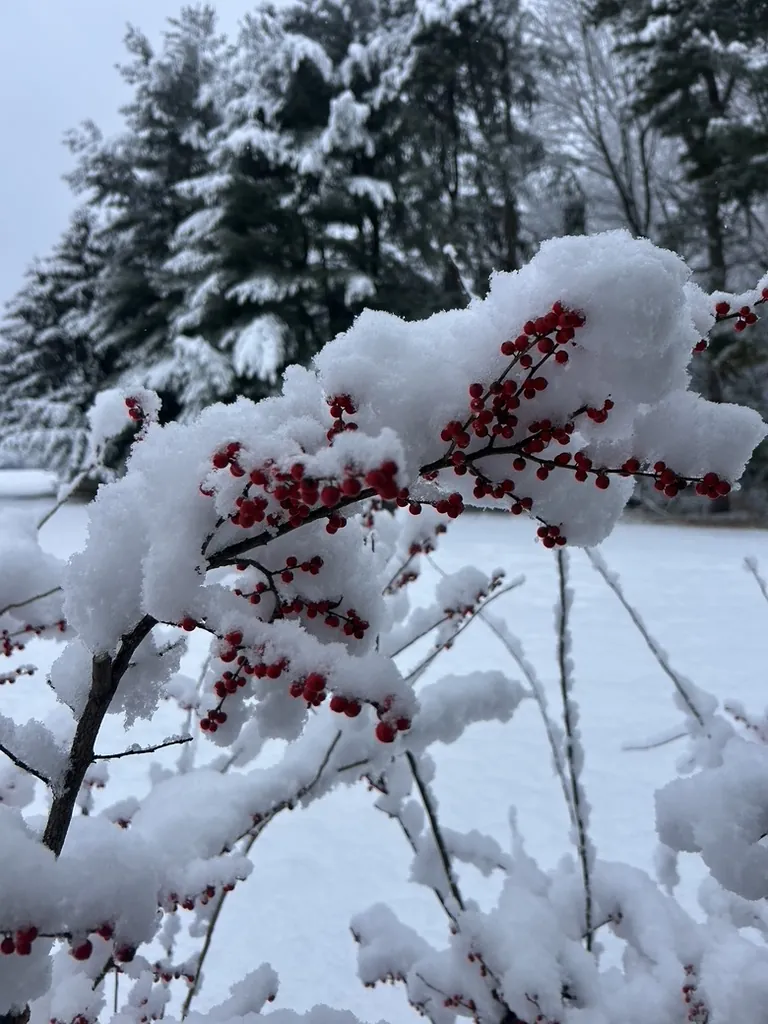
And whether you're tending a backyard cutting garden, dreaming of starting a flower farm, or simply enjoying the beauty of flowers, winter is a wonderful reminder that growth doesn't always look like blooming. Sometimes it looks like planning, learning, resting, and getting ready for something beautiful.
Want to grow along with us?
Download our free Cut Flower Garden Planning Guide, explore more stories from the farm, and join us on The Flower Files as we keep planting stories and growing conversations.
From all of us at Wildly Native Flower Farm, here's to the beauty of every season, even the quiet ones.
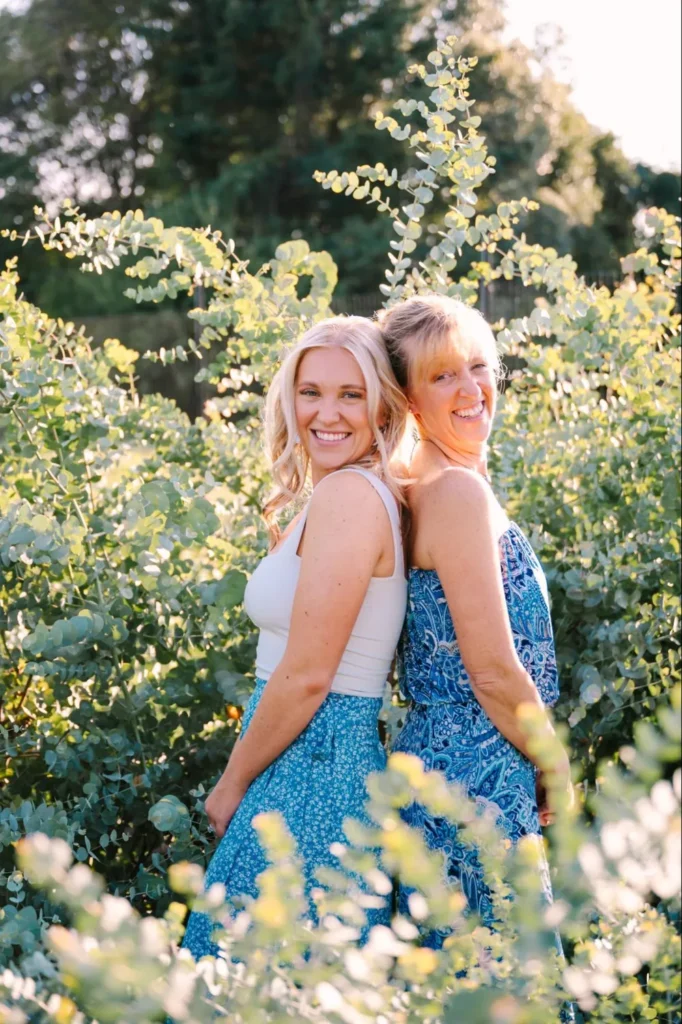
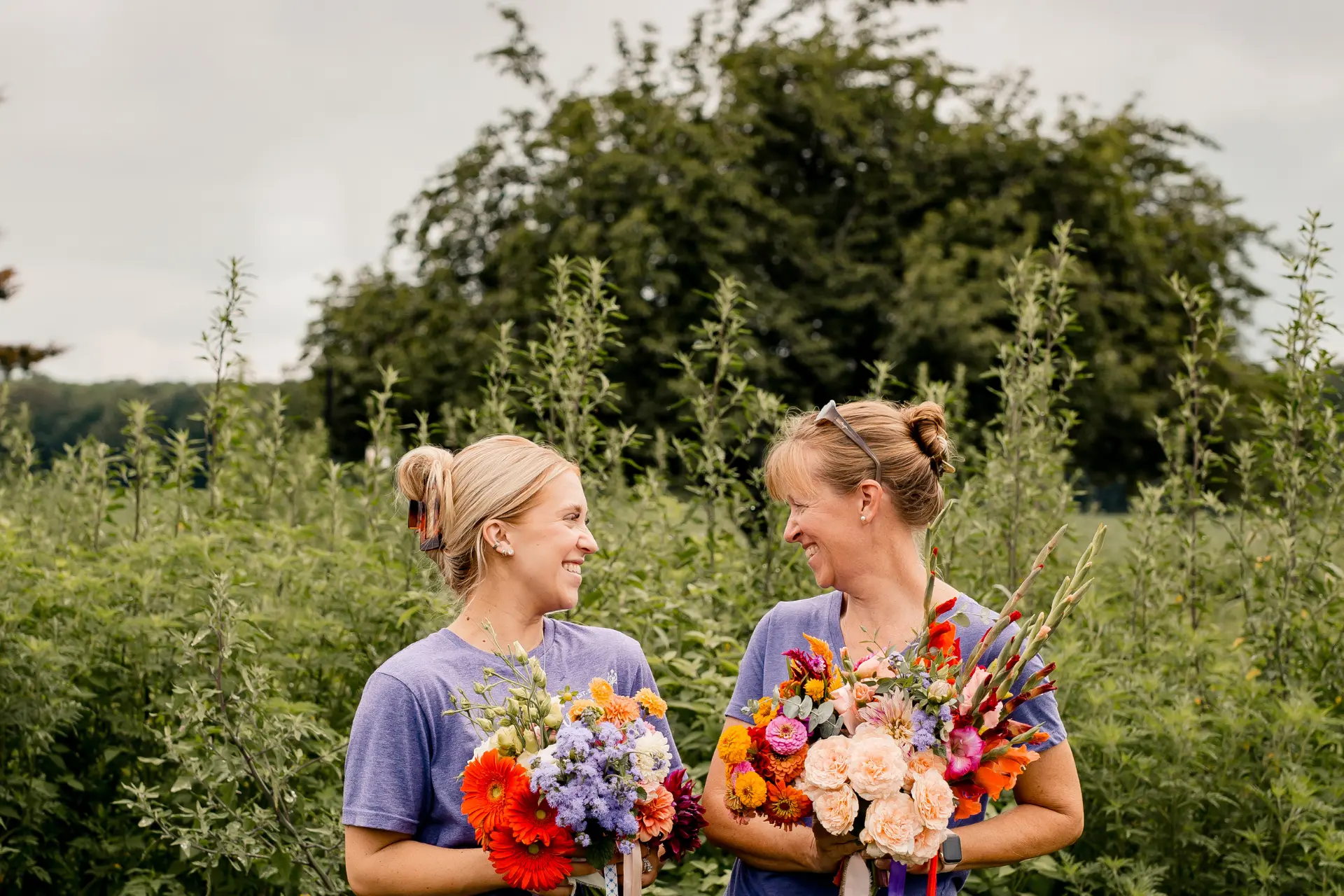
Me and my girl Lizzy, already dreaming about next season.
Frequently Asked Questions
What do flower farmers do in winter?
Winter is planning and preparation season. Flower farmers review how the last season went, choose varieties and plan next year's planting, care for their soil, grow cool-season crops under cover, meet with wedding couples, repair equipment, and take some time to rest before spring.
Can you grow cut flowers in winter?
Yes, with protection. Cool-season flowers can be surprisingly resilient when they're grown in hoop houses, low tunnels, or under row covers. Growing under cover means watching temperature swings, humidity, ventilation, and condensation closely, since a sunny day can overheat a covered space quickly.
When should I start planning next year's cut flower garden?
Winter. By the time spring arrives, you're already behind if you haven't decided what to grow, how many plants you need, and where everything will go. Start with what worked last year, what struggled, and how much space you really have.
What should I do for my garden soil in winter?
Use the quiet months to evaluate. Review your soil test results, plan amendments, protect exposed beds, and decide where you need more organic matter. Remember that struggling plants don't always need more fertilizer. Structure, drainage, or pH may be the real issue.