I'll never forget, as a kid I had gotten a free packet of coleus seeds and was so excited to grow them! I went outside and filled up a four inch pot with soil from the garden, planted the seeds, watered them to keep the soil moist, and placed the pot in a sunny window. Sounds like I did everything right, right? Oh how I waited for those seeds to grow!! Fast forward a few days, then a week… and those seeds had only grown a few spindly plants that wound up dead.
Super glad I didn't give up there and stop growing things! Sometimes new gardeners assume soil is soil, dirt is dirt, and it’s all the same thing. I mean plants grow out in the garden all the time so why would it be different in a container? If you’ve ever filled a pot with garden soil and wondered why your plant struggled, let’s dig in together and take a look at the differences in garden soil vs potting mix, and the actual reasons behind them.
What is Soil
Plants need soil to survive - it provides nutrients, water structure for the roots to grow in, and holds the plant up as well. But what is soil? Soil is more than just dirt, it’s a living ecosystem. True soil is a balanced mix of mineral particles (sand, silt, and clay), organic matter, water, air, and billions of microorganisms working together to support plant life. When we understand soil as a system - not just something to plant into - we start growing stronger, more resilient flowers from the ground up. Want to learn more? You can dive into our blog on soil here!
Garden Soil
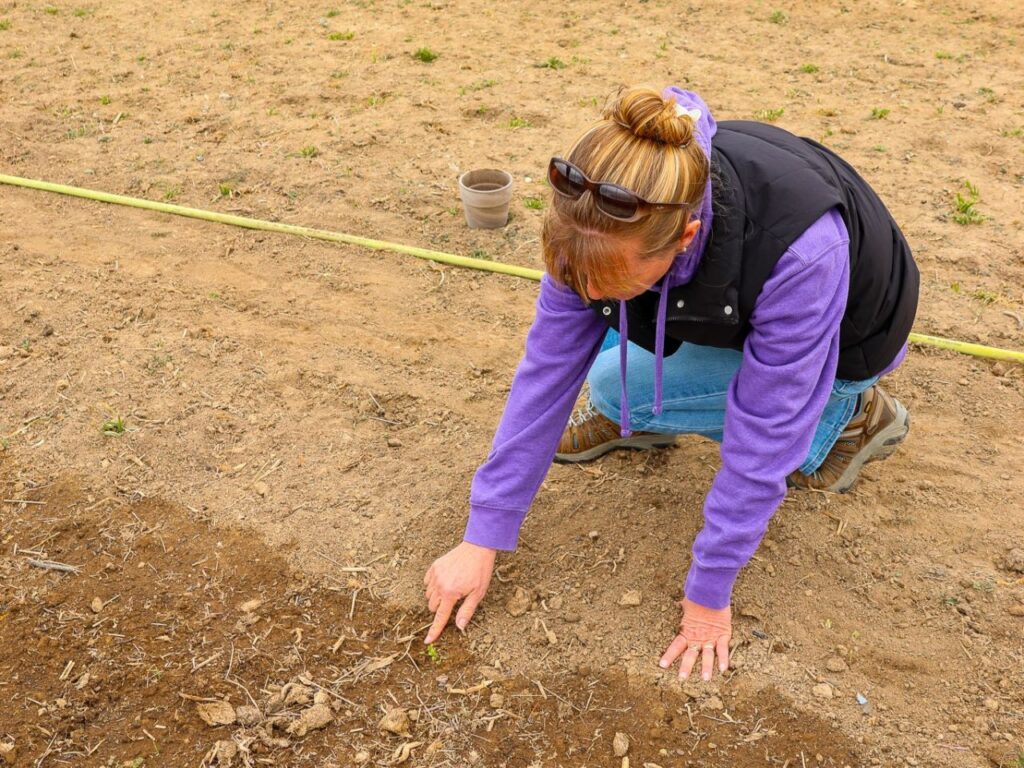
Garden soil is designed specifically for in-ground use, where it becomes part of the ecosystem that is already thriving beneath your feet. Adding a new layer of garden soil to your existing native soil supports long-term root systems in garden beds, borders, and fields, while also building structure, stability, and nutrient-holding capacity over time.
You’ll often see it labeled as “topsoil”, or simply “garden soil”, at your garden center. These products are typically blends of screened soil (fewer big lumps - think of putting flour through a sifter) and compost meant to improve what you already have in your beds. Be wary though: the quality can vary widely, so reading the ingredient list matters! Some have a rich and well-balanced blend of sand, silt, and clay; others are little more than construction site dirt with organic material mixed in.
What Makes it Different
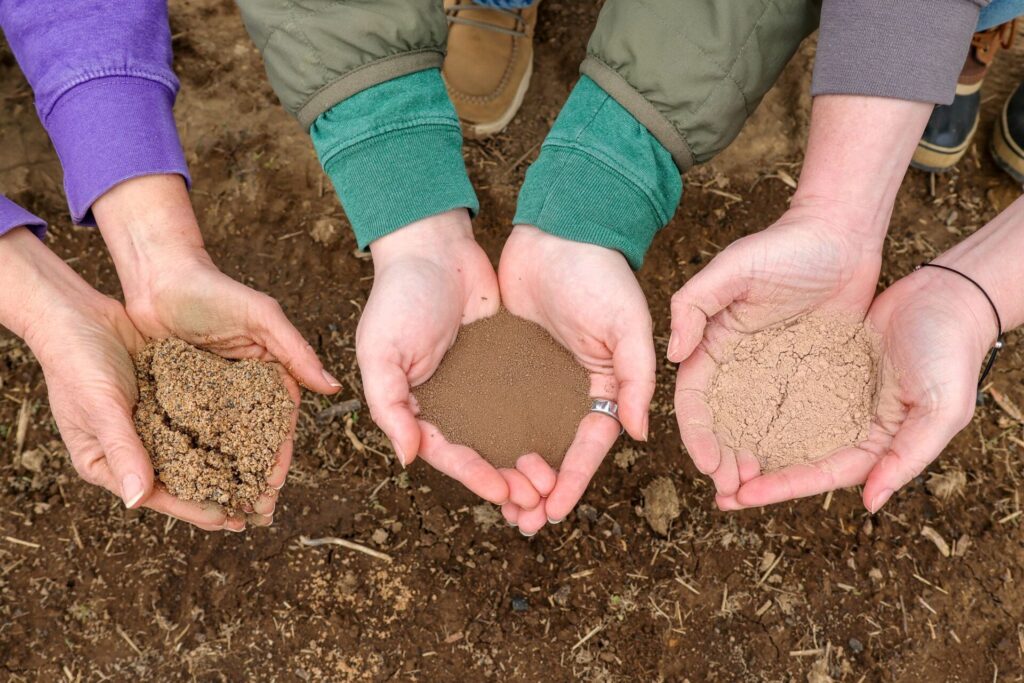
Sand has the largest particles which help create drainage and allows water to move quickly through the soil. Sandy soil feels gritty in your hand and rarely compacts, but it can dry out quickly and struggles to hold nutrients. Silt has medium-sized particles and feels smooth, almost like flour when dry. It holds more moisture than sand and contains more nutrients, but it can become compacted if it lacks organic matter. Clay has the smallest particles and feels sticky when wet. It holds water and nutrients extremely well, but too much clay can limit drainage and restrict airflow to roots as well as nutrient availability.
The final component often included in store-bought garden soil is organic matter, which can vary widely depending on where you are buying it as well as from brand to brand. Organic matter includes decomposed plant material that improves structure, increases microbial life, and helps balance moisture retention and drainage. Some bagged garden soils also include compost blends to boost organic content, but the quality and ratio can differ significantly. That’s why two bags labeled “garden soil” can behave very differently once they’re in your beds.
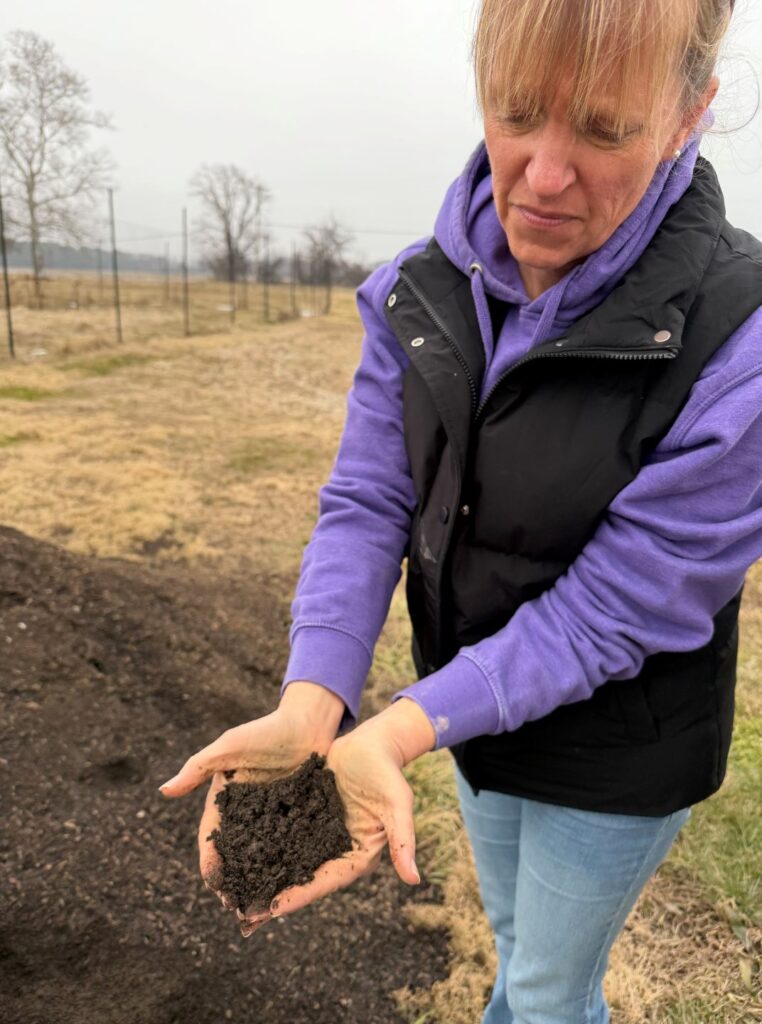
When garden soil vs potting mix is used in containers, its heavy mineral-based makeup quickly becomes problematic. It’s too dense for the confined space of a pot, compacting easily which leads to improper airflow, and also holding too much moisture without the natural drainage of in-ground soil. As water lingers and oxygen becomes limited, roots can’t breathe - and that lack of oxygen often leads to root rot, one of the most common reasons container plants fail.
If you haven't had a chance to check out our blog on garden soil, you might want to give it a quick read for more in-depth information!
Potting Soil…Mix?
What most people call “potting soil” is technically “potting mix”, and that distinction matters! Potting mix is typically soil-less, meaning it doesn’t contain the mineral components of sand, silt, and clay. Instead, it’s made from lightweight materials that we’ll go over further down! So keep on reading 😄
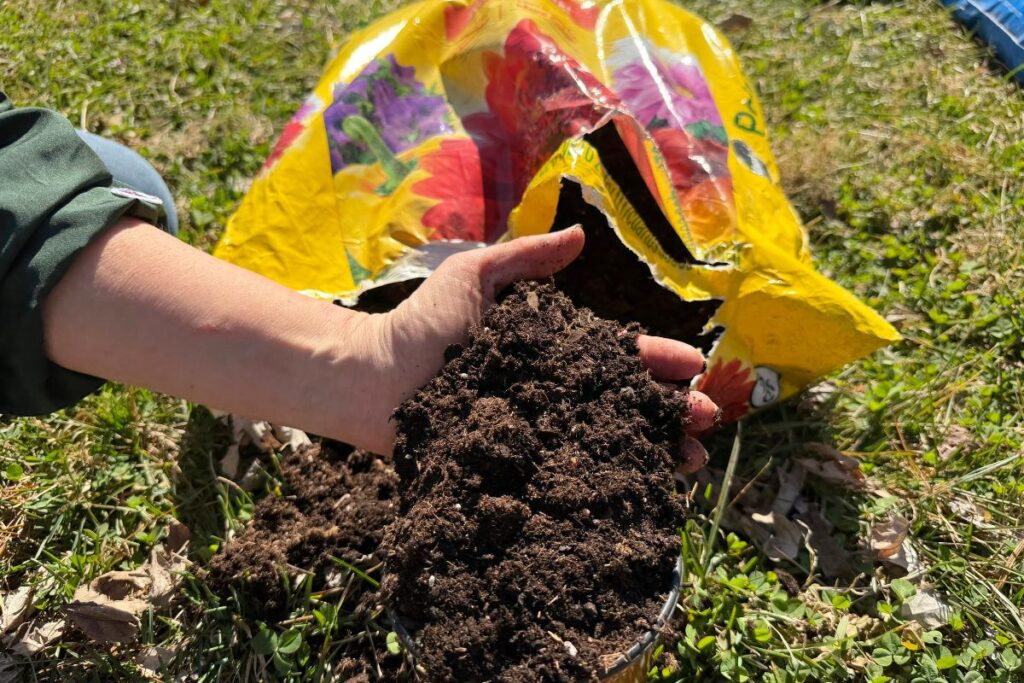
But first.. why does potting mix need to be so different from garden soil? Because their ecosystems are completely different! Let's look at the science behind garden soil vs potting mix.
Containers function as a closed system. Once you fill a pot, that small volume of mix is the entire world for those roots. There’s no deep soil below to buffer moisture, no earthworms or microbes moving through it, and no natural exchange with the surrounding earth. A good potting mix stays fluffy, drains well, and resists compaction - exactly what roots need in a confined space!
What Makes It Different
Drainage depends entirely on the potting mix (and the pot - please make sure there are holes in the bottom!). If the ingredients don’t allow water to move freely, it has nowhere else to go and roots need air just as much as they need water. When soil stays overly wet and compacted, oxygen disappears, and stressed roots follow. Proper drainage is critical in pots, where overwatering is one of the most common mistakes gardeners make
The lighter structure of potting mix also supports healthy root expansion, especially for flowers and seedlings that need room to establish quickly. Not only is there space for the roots to grow with ease, the structure allows for more air flow as well. As a bonus, the lighter weight makes it easier to move the pots around!
Finally, potting mix doesn’t compact easily. Even after repeated watering, a good potting mix maintains its structure instead of collapsing into a dense mass. That consistent texture helps roots stay healthy, active, and resistant to rot. For cut flower seedlings, dahlia tubers in pots, or starting ranunculus trays, this is exactly what you want.
Potting mixes don’t work well in garden beds because they just aren’t designed for it - they work better with annuals over perennials, are too lightweight for in-ground use, and don’t have enough mineral content.
A Look Inside Potting Mix
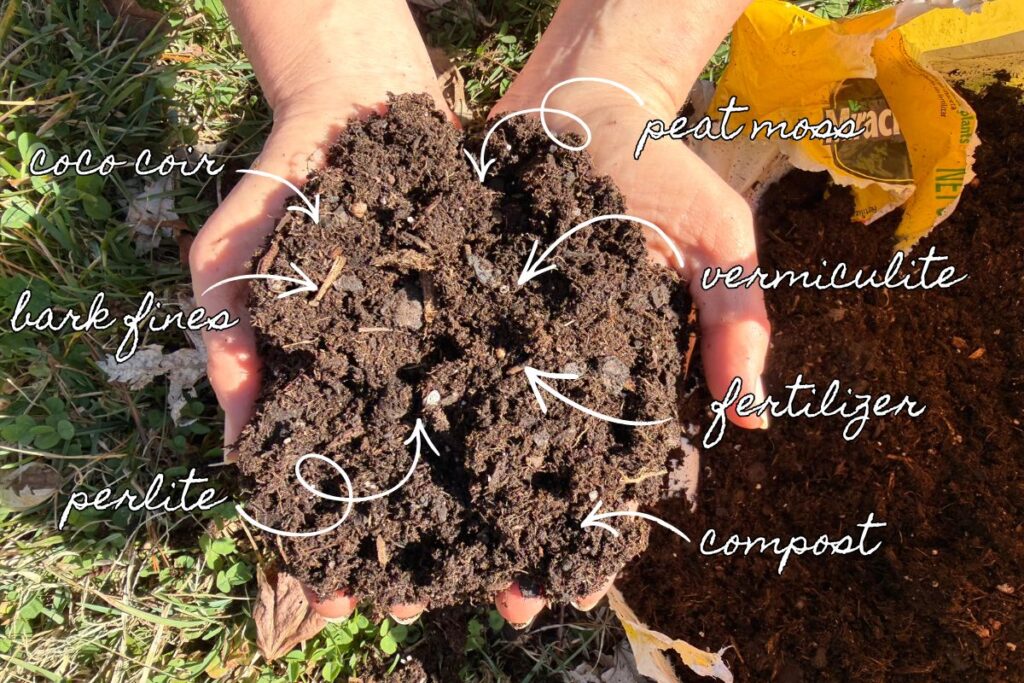
Are you still thinking about when we said it’s a soilless mix? What is THAT? Yeah, I feel you. I still get my hands dirty using potting mix, so what does that really mean? Most potting mixes are carefully blended from several components, each chosen for a specific job. Understanding these ingredients helps you choose better bags — and avoid overpaying for filler.
Peat Moss
What it is:
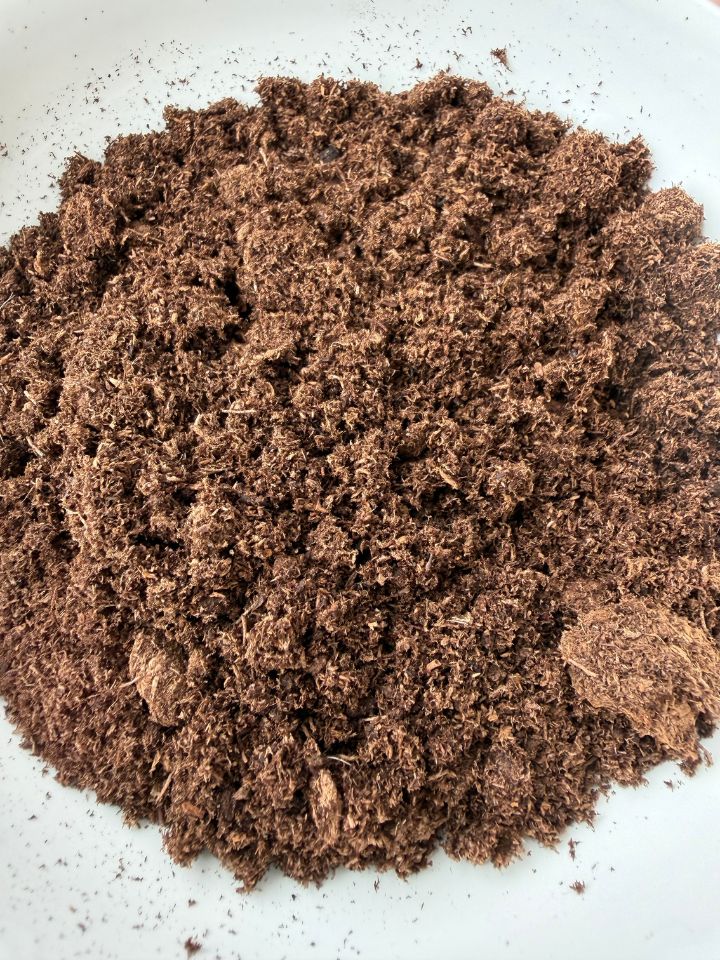
Peat moss is partially decomposed plant material harvested from peat bogs. While it sounds like something out of a scary movie, they are unique wetland ecosystems where layers of mosses and plants slowly decompose over thousands of years in cool, waterlogged conditions. These bogs are acidic, low-oxygen environments that prevent full decomposition, allowing organic material to build up in thick layers.
Where it comes from:
It forms over thousands of years in wetland environments where plants break down very slowly. Most peat used in the U.S. is harvested in Canada.
Is it environmentally friendly?
Because peat generates so slowly, harvesting it raises environmental concerns about disturbances to wetland ecosystems and carbon release. Because of this, many gardeners are shifting toward alternatives.
Why it’s included:
Peat moss holds moisture exceptionally well while still allowing airflow. It creates a light, fluffy structure that supports root growth in containers.
Coco Coir
What it is:
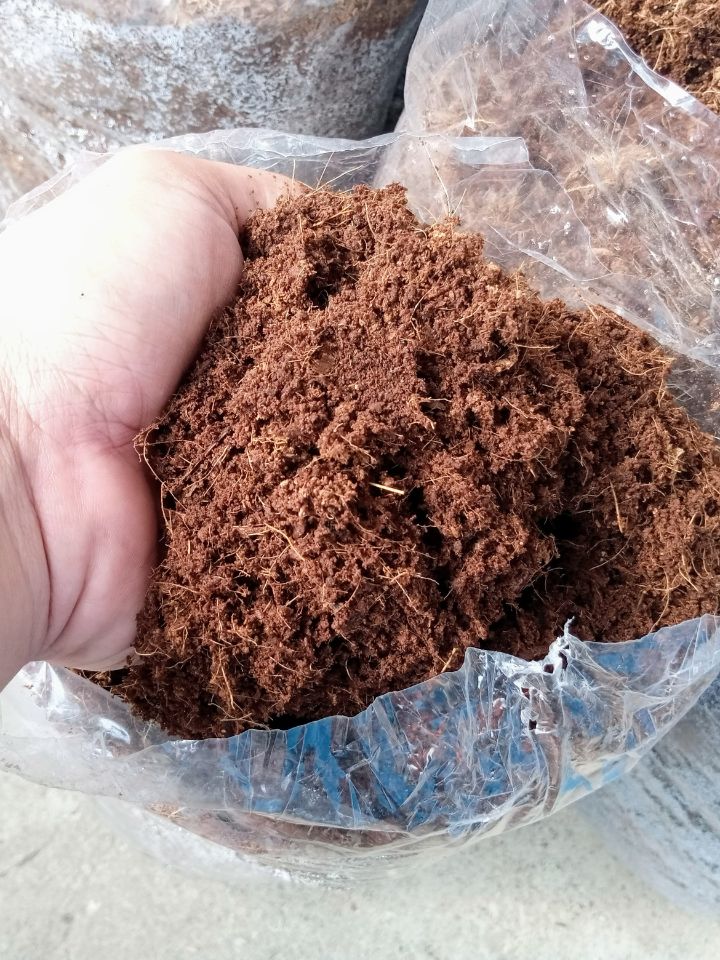
Coco coir is a fibrous material made from coconut husks. It retains water well and creates a fluffy structure in containers, often chosen by gardeners looking for a more sustainable alternative.
Where it comes from:
It’s a byproduct of the coconut industry, primarily produced in tropical regions.
Is it environmentally friendly?
Generally considered more sustainable than peat because it repurposes agricultural waste. However, it does require processing and international shipping.
Why it’s included:
Coco coir retains moisture, resists compaction, and improves root aeration.
Perlite
What it is:
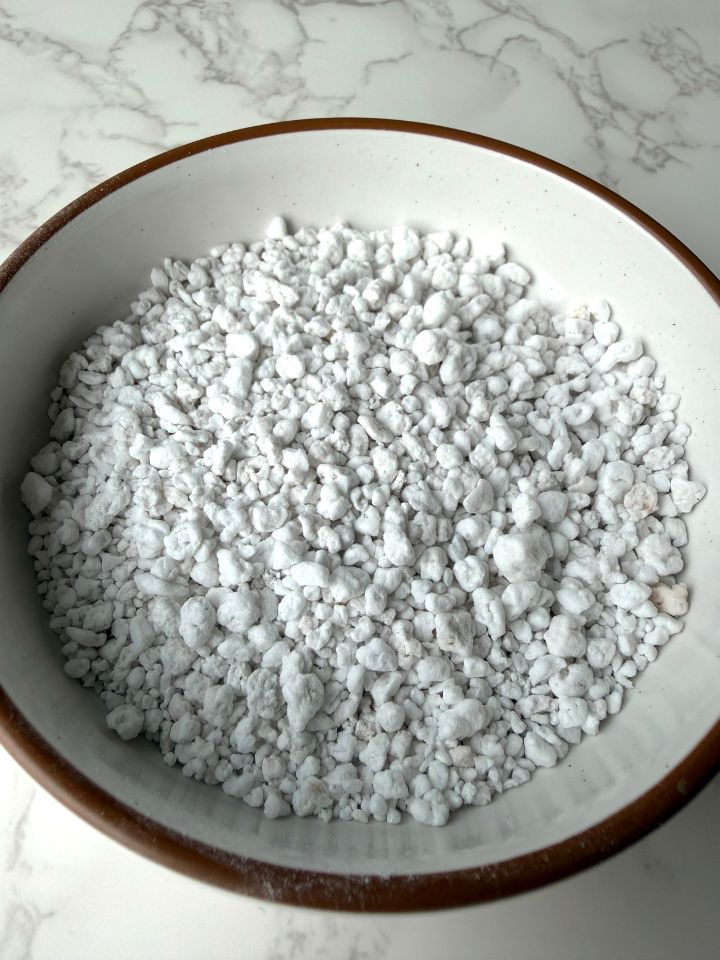
Perlite is the small white particles you see in potting mix. It’s a naturally occurring volcanic rock that is heated until it expands into lightweight, porous pieces that easily break down into dust when rubbed between your fingers.
Where it comes from:
It is mined from volcanic deposits and processed with heat to change the structure from volcanic rock to the lightweight and porous material - think popcorn!
Is it environmentally friendly?
It is a mined resource and requires energy to process, but it is long-lasting in soil and does not need to be replaced as often.
Why it’s included:
Perlite improves drainage and creates air pockets, helping roots access oxygen and preventing water from pooling in the bottom of pots.
Vermiculite
What it is:
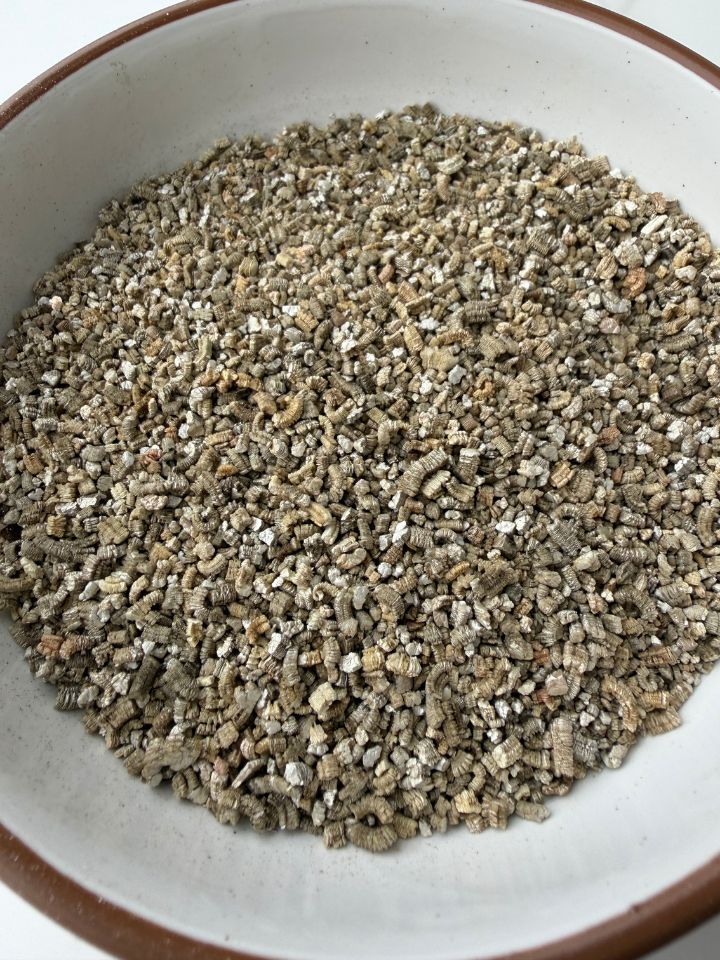
Vermiculite is a mineral that expands into soft, sponge-like flakes when heated. If you have ever touched potting mix and seen something shiny and metallic in the mix - this is what you are seeing!
Where it comes from:
It is mined from volcanic areas and then processed with heat - similar to perlite above.
Is it environmentally friendly?
Like perlite, it is a mined resource, but it is stable and long-lasting once incorporated.
Why it’s included:
Vermiculite is great for holding both water and nutrients. It’s often used in seed-starting mixes because it maintains consistent moisture without becoming dense. Seedlings may sit in trays for a while while waiting for their time to be planted, sometimes allowing for accidental algae growth because of soil exposure. Using a light finely ground coating of vermiculite allows for the seedling to break through the soil without the pressure of the algal growth.
Bark Fines
What it is:
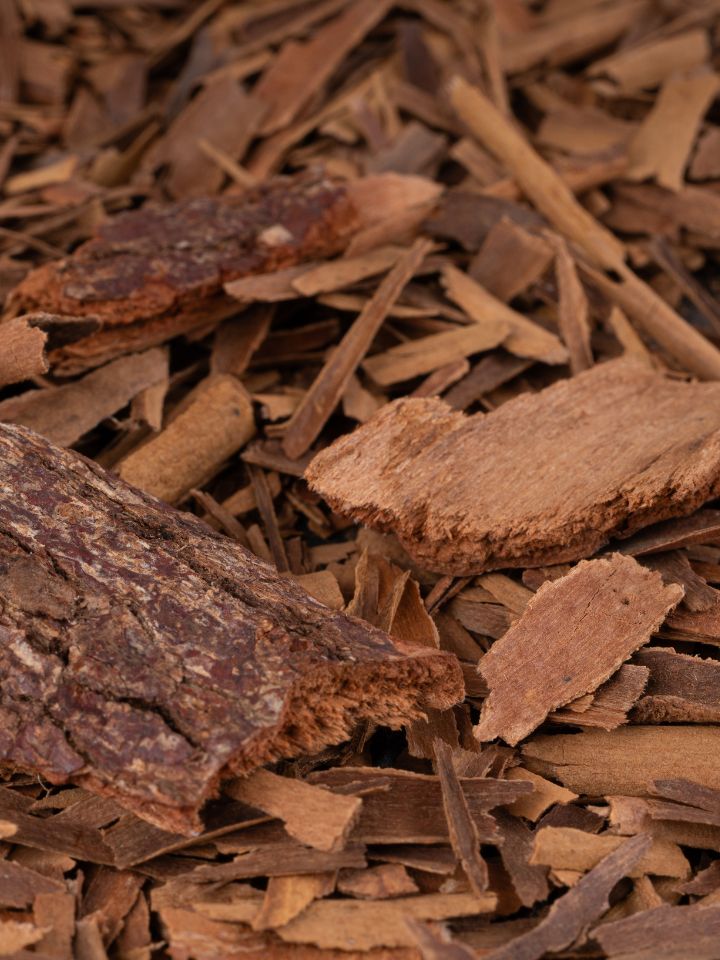
Bark fines include unfinished wood chips or shredded bark, and are often used as filler in mixes.
Where it comes from:
They can come from a variety of sources, such as lumber mills.
Is it environmentally friendly?
Yes, because most bark fines are created from waste material from the timber and forestry industry. At the same time, it can temporarily pull nitrogen away from your plants as the raw wood decomposes.
Why it’s included:
They are often included because the chunks of material can help with drainage and aeration - just be cautious that your mix doesn’t have chunks that are too large!
Compost
What it is:
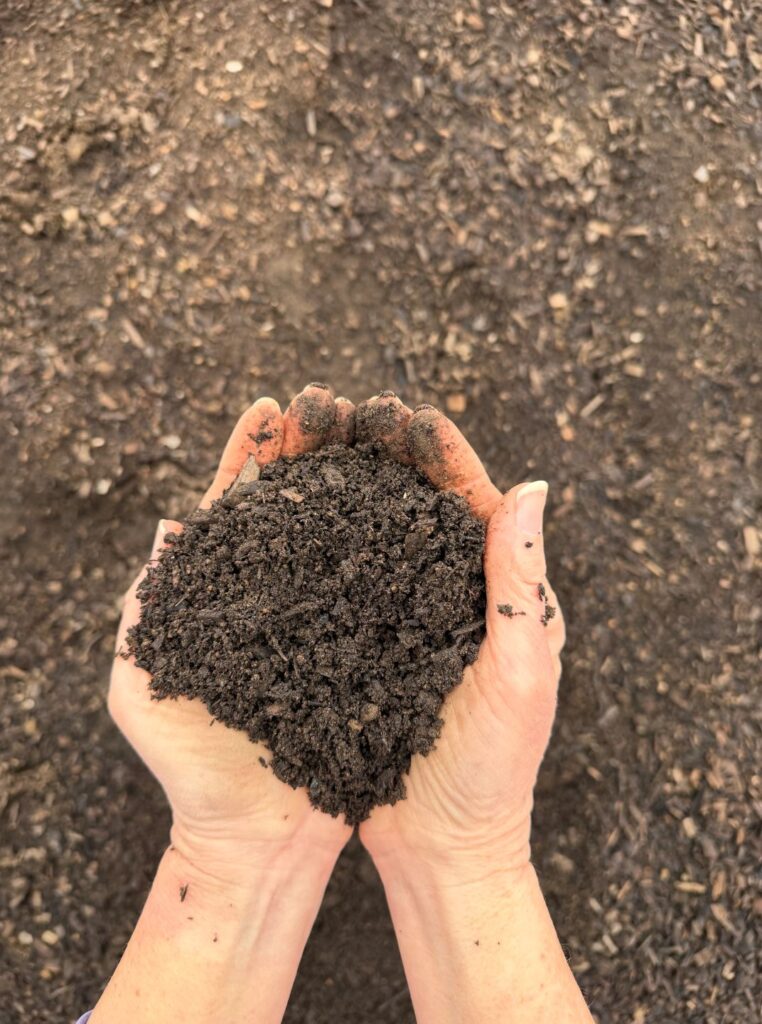
Compost is made from decomposed organic material (think leaves, manure, food waste) and is added to soil to improve it. Rather than using compost alone in containers or beds, it works best when blended with mineral soil or other potting components to create balance. Compost builds soil health over time, helping flowers grow stronger from season to season. Quality varies widely, so compost-heavy mixes may behave differently depending on the source.
Where it comes from:
It can be made at home or commercially produced from agricultural or yard waste.
Is it environmentally friendly?
Yes, composting recycles organic waste and builds soil health naturally.
Why it’s included:
Compost adds nutrients, beneficial microbes, and organic matter. It supports biological life and improves the overall structure and moisture balance of the mix.
Slow-Release Fertilizer
What it is:
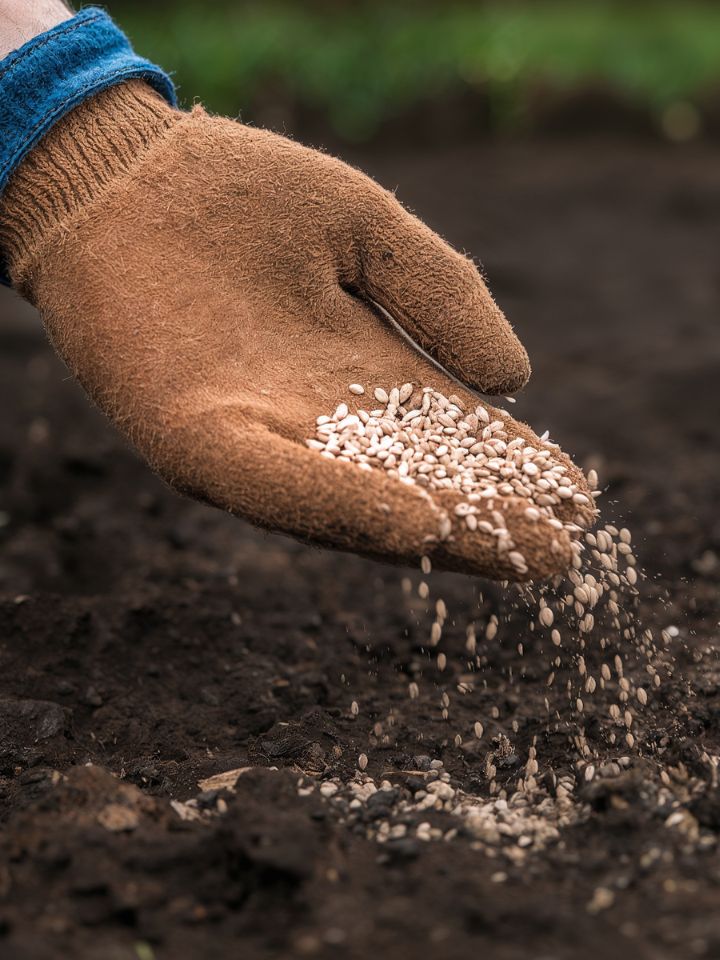
Certain potting mixes include coated fertilizer granules that release nutrients gradually over time.
Where it comes from:
Commercially manufactured mineral fertilizers.
Is it environmentally friendly?
It depends on formulation. Some are synthetic; others are organic-based. Read your label for clarification!
Why it’s included:
It provides an initial nutrient source for plants growing in containers, where nutrients wash out more quickly than in-ground beds. Soil starting mixes are sterile and also nutrient stripped. Adding in some fertilizers may be presented as a benefit to new gardeners but make sure they are not synthetic. You want to make sure you are adding what your seedlings need!
Specialty Soil Mixes (And When to Use Them)
Not all bagged soil products are created the same. Beyond basic potting mix and garden soil, there are specialty blends designed for very specific purposes. Think orchid mix, violet mixes, cacti mix - you can even find ones that have lobster shells for natural fertilizer!!! Understanding these differences can lead to stronger plants and seedlings.
Seed Starting Mix
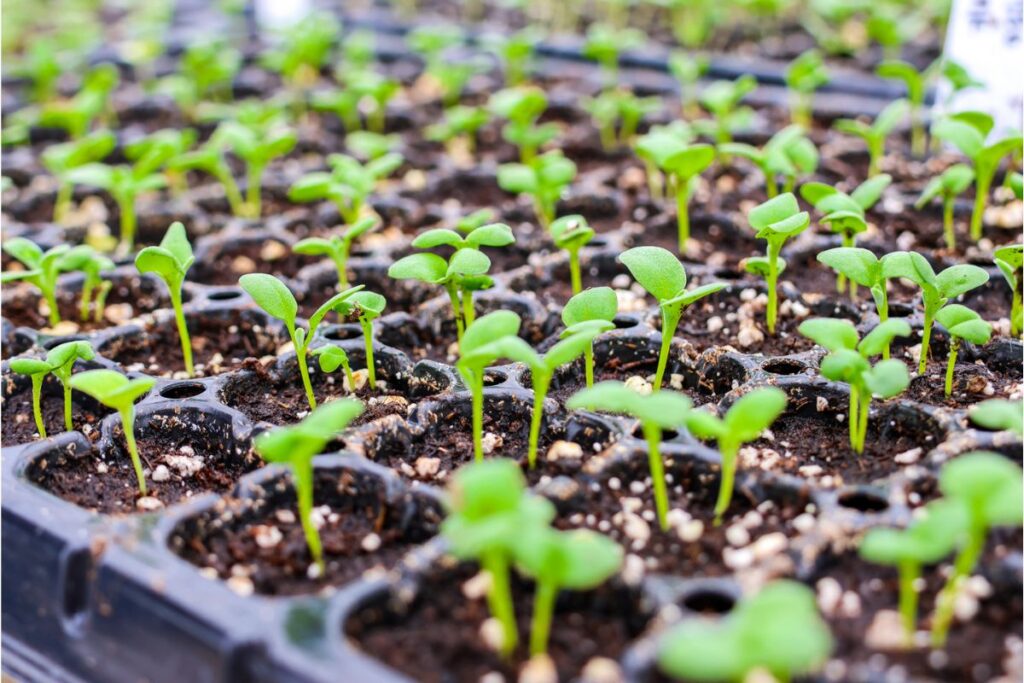
Seed starting mixes are specifically designed for germination. It has a much finer texture than traditional potting mix, which allows tiny seeds to make consistent contact with moisture. You won’t find large bark chunks or coarse materials in a true seed-starting blend. The texture is soft and uniform, often made from peat moss or coco coir with vermiculite or fine perlite. Because seeds are incredibly sensitive during germination, this mix is designed to hold consistent moisture while still allowing airflow. It reduces the risk of damping off (when the plants suddenly fall over from a fungus) and gives young roots an easy environment to establish before transplanting.
Raised Bed Mix
Raised bed mix is a hybrid between potting mix and garden soil. It’s heavier than potting mix but lighter and more structured than native soil.This blend typically offers more drainage than many natural garden soils, especially helpful in areas with dense clay. It’s often compost-heavy, providing both organic matter and nutrients to improve long-term soil structure. Raised bed soil is meant to stay in place and support larger root systems, but it’s still loose enough to encourage healthy growth and microbial activity.
WOW That Was A Lot
Yeah yeah, believe us we know!! There is SO much to consider when you start your flower growing journey, and although you can definitely learn and make adjustments as you go sometimes it's nice to have a little head start of extra information. Just remember, garden soil prioritizes balancing out your native soil with a more complete mineral profile, while potting mix prioritizes creating an individual system of drainage, aeration, and nutrient control.
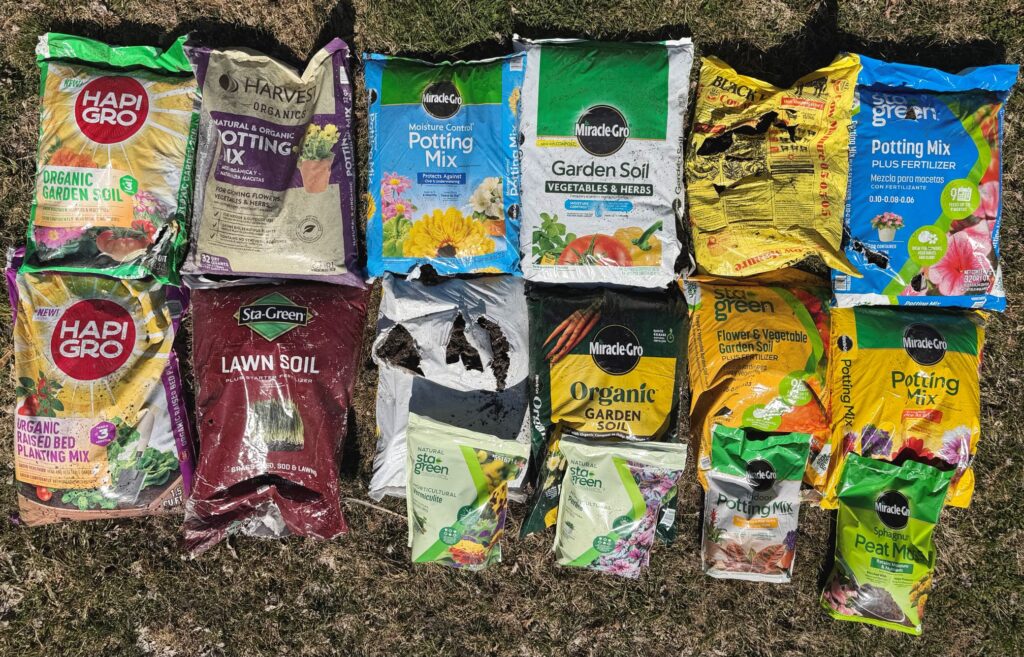
Here is a simple breakdown of garden soil vs potting mix to help you remember when to use what:
| What You're Using It For | Soil That You Should Use |
| Starting seeds | Seed starting mix |
| Patio containers | Potting mix |
| In-ground beds | Garden soil + compost |
| Raised beds | Raised bed mix |
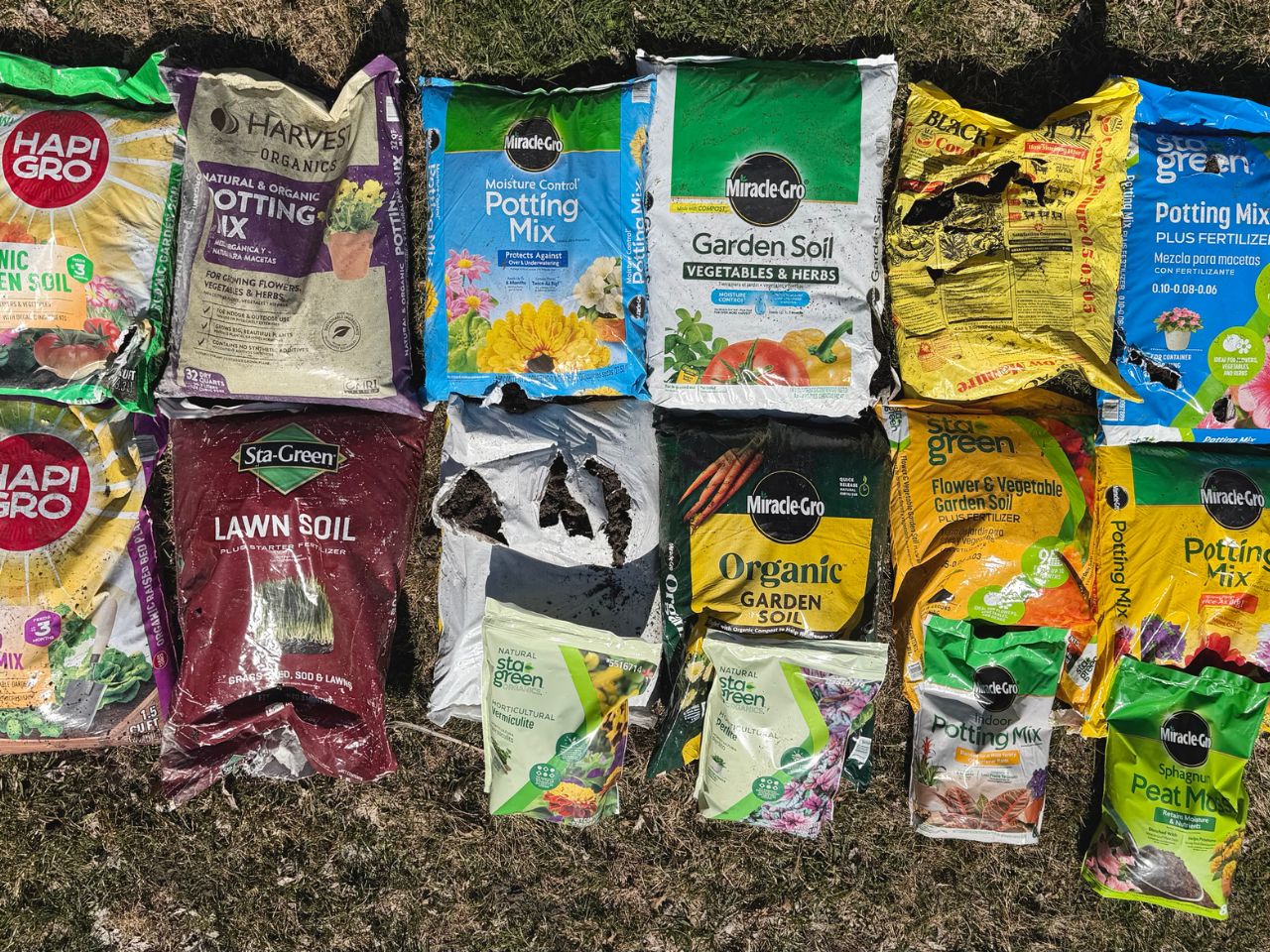
So when you find yourself standing in the soil aisle feeling overwhelmed, refer back to what you’ve just read! Dozens of bags on tall shelves in long, funny-smelling aisles all spout bold claims, and words like “premium,” “organic,” and “moisture control”. Check the ingredient lists against all of your newfound knowledge, and find what works for you with confidence!
Our blogs on getting your garden started, and deciding which flowers to grow, can be a great place to start!
Here’s to all the garden’s beauty and bounty!