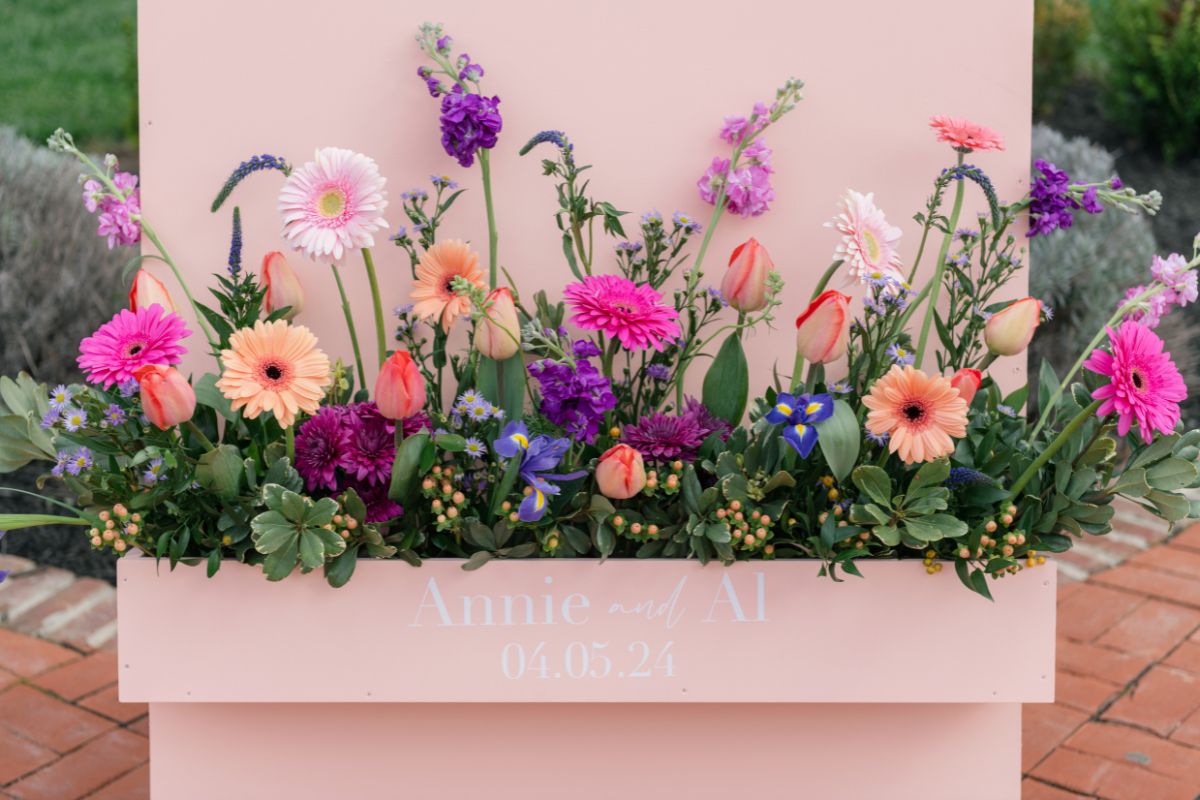
Fresh wedding flowers may look effortless once they are placed on the ceremony arch, tucked into bouquets, or arranged across reception tables but behind every beautiful floral moment is a carefully planned process that starts long before the wedding day.
Wedding floral supply chain logistics from farm to venue include everything it takes to source, harvest, process, store, design, transport, install, and sometimes break down wedding flowers. For couples, planners, florists, and flower farmers, understanding this process helps explain why wedding flowers require so much time, care, labor, and coordination.
Fresh flowers are not just simple décor. They are living, perishable ingredients that have to arrive fresh, hydrated, and ready for one of the most photographed days of someone’s life.
What Are Wedding Floral Supply Chain Logistics?
Wedding floral supply chain logistics refer to the full process of getting flowers from their original source to the wedding venue in the best possible condition.
This may include:
- Flower sourcing
- Crop planning or ordering
- Harvest timing
- Post-harvest care
- Hydration and conditioning
- Cold storage
- Design production
- Packing and transportation
- Venue delivery
- On-site setup and installation
- Cleanup or breakdown, when included
For a flower farm like us, these logistics begin months in advance with seed starting, planting, crop planning, and succession planting. For a florist, the process may include placing wholesale orders, confirming stem counts, planning substitutions, and organizing delivery schedules.
In many weddings, the floral supply chain includes a combination of farm-grown flowers, local flowers, and wholesale blooms. The goal is always the same: to make sure each stem arrives at the right place, at the right time, looking its very best.
Why Floral Logistics Matter for Weddings
Flowers are different from many other wedding products because they are delicate, seasonal, and time-sensitive.
A linen, chair, sign, or candle can often be packed days or weeks before an event. Flowers cannot be handled the same way. They need proper hydration, temperature control, and careful timing from the moment they are harvested or received.
The logistics behind the scenes matter because flowers are perishable (duh!), temperature affects quality, timing can impact freshness, designs need to survive transportation and the wedding day, and weather can change the plan at the last minute! Local and seasonal flowers still require coordination.
A wedding arrangement does not begin when it is placed on the table. It begins with sourcing, planning, harvesting, conditioning, designing, packing, and moving each piece carefully through the day’s timeline.
Step 1: Planning and Sourcing Wedding Flowers
The wedding flower supply chain starts with planning - the whole way around.
Depending on the florist or flower farm, wedding flowers may come from:
- A local flower farm
- A wholesale flower supplier
- A floral distributor
- Imported flower sources
- A combination of local and wholesale flowers
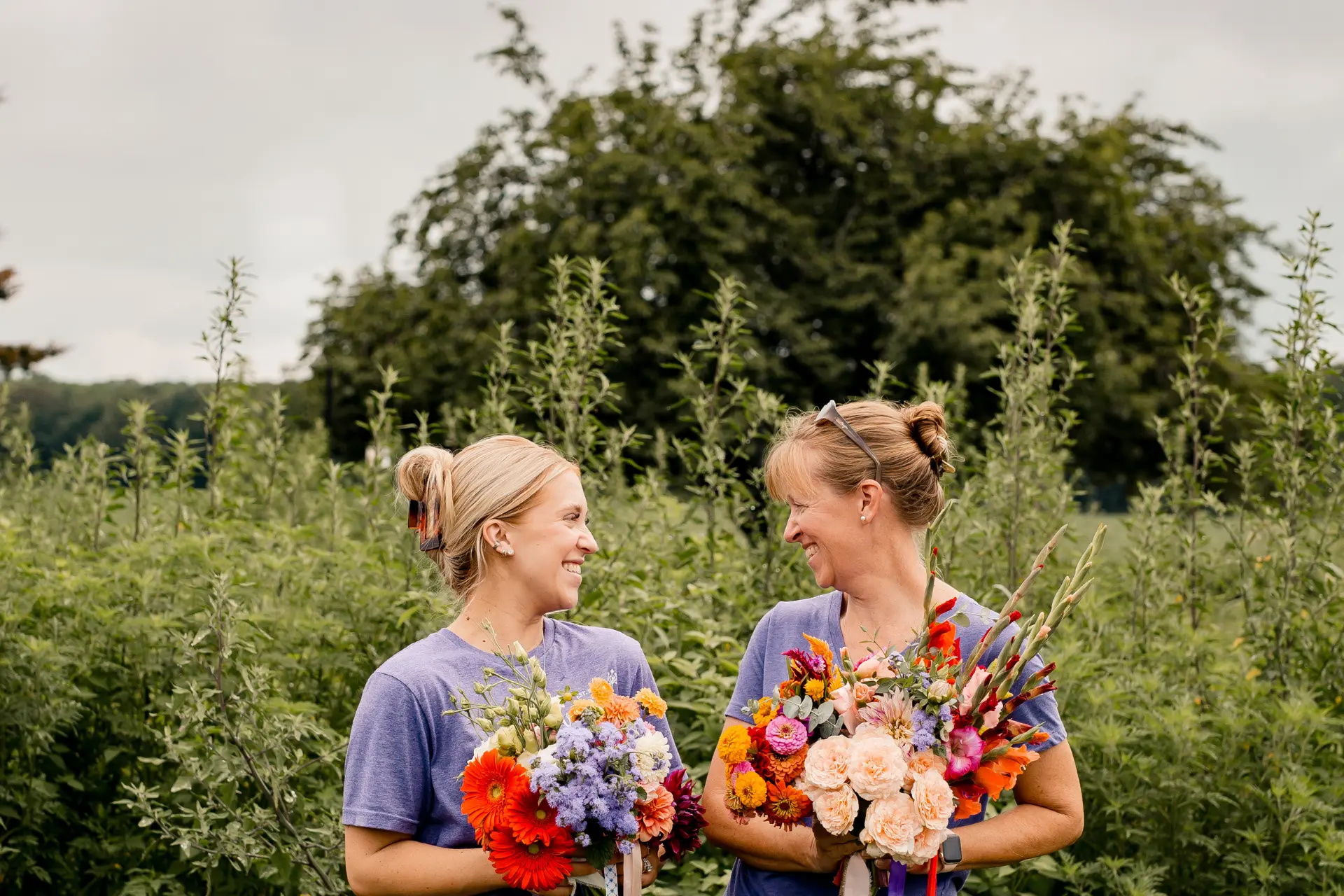
- The florist’s own farm, if they both grow and design (like us!)
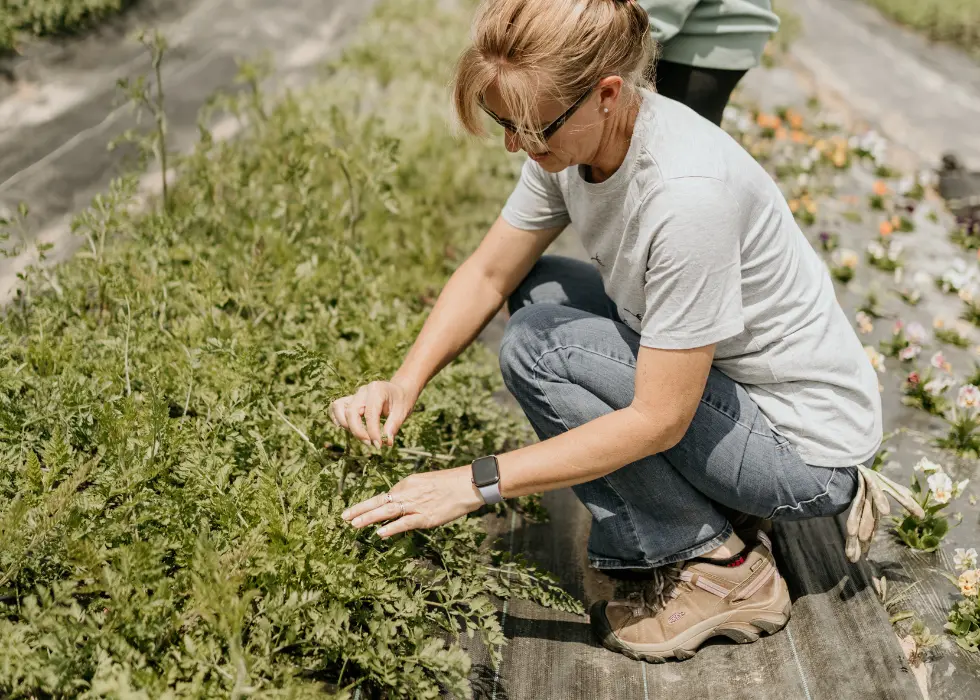
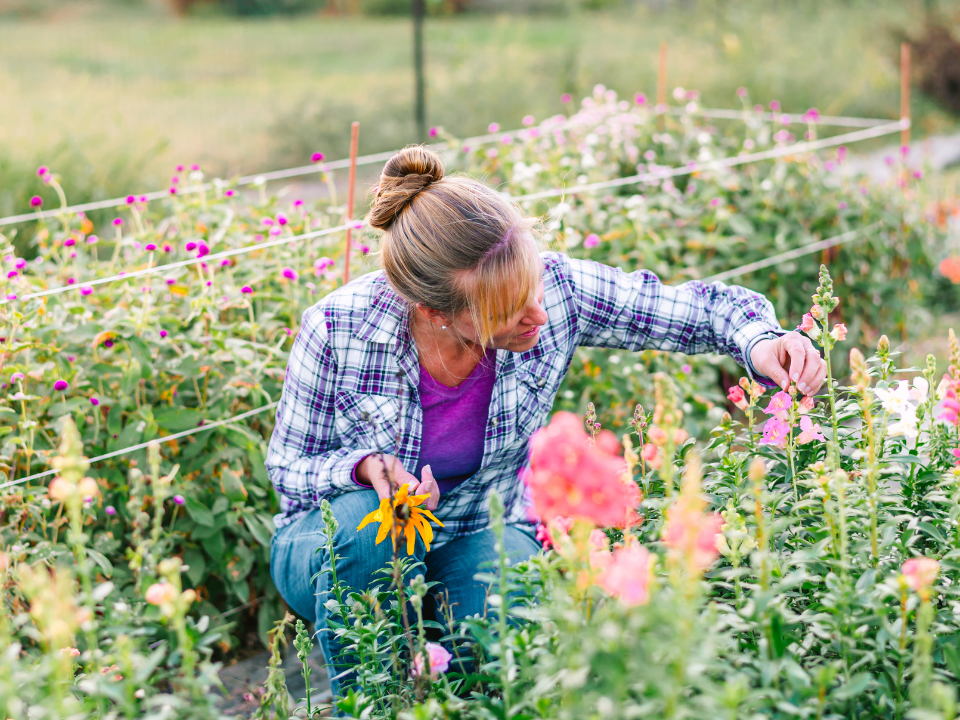
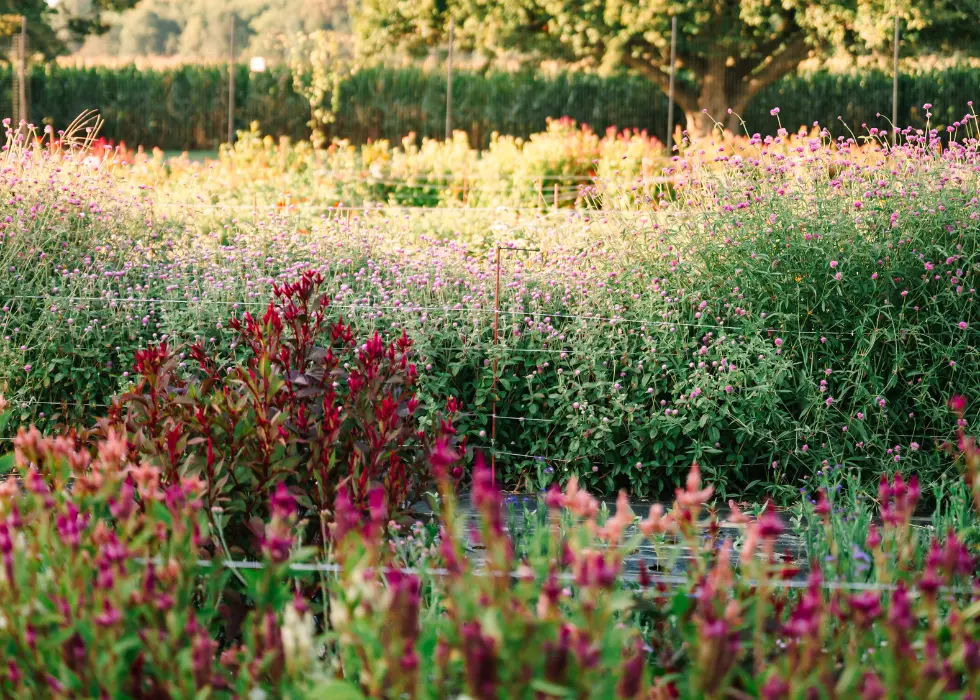
For farm-grown wedding flowers, planning often begins months before the wedding. Availability depends on the season, crop timing, weather, growing conditions, and what is blooming naturally during the wedding window.
A spring wedding may include tulips, ranunculus, anemones, and peonies. A summer wedding may bring zinnias, cosmos, lisianthus, and other heat-loving blooms. Fall weddings may include dahlias, heirloom mums, grasses, and rich seasonal textures.
This is one reason seasonal wedding flowers are so special. They reflect the time and place of the celebration. But they also require thoughtful planning, especially when couples have a specific color palette or floral style in mind. Letting the season help determine the florals makes everything flow together a little easier too.
Step 2: Growing, Harvesting, or Ordering at the Right Time
Floral logistics begin long before wedding week.
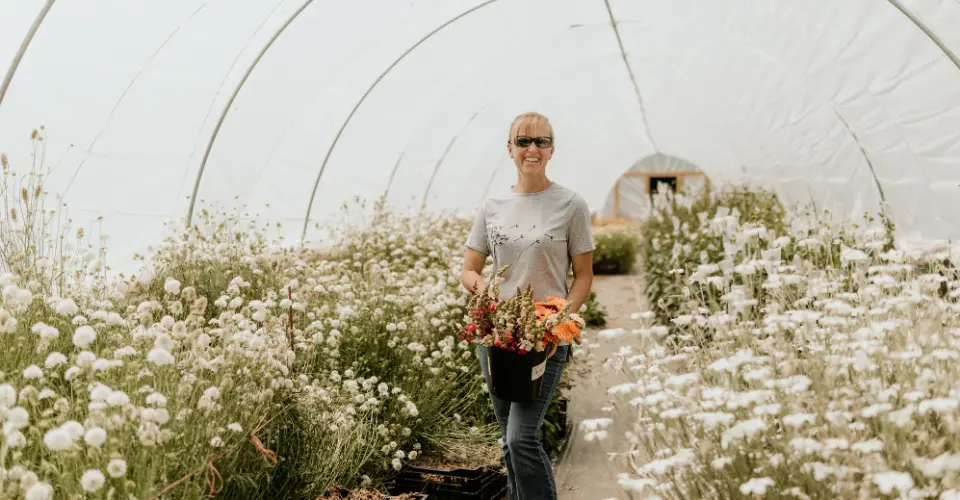
For flower farms, crops are planned and planted in succession so blooms are available across multiple weeks instead of all at once. Some flowers may be grown in hoop houses or greenhouses to help protect them from weather or extend the growing season. Just as a regular florist does, all the stem counts must align with the flowers needed for execution at the right time.
For florists sourcing wholesale flowers, ordering is based on the final design plan, color palette, stem counts, and delivery schedule. The florist has to consider how many stems are needed for bouquets, boutonnieres, centerpieces, ceremony flowers, installations, and any backup flowers needed for breakage or substitutions.
This stage often includes:
- Crop planning
- Stem count estimates
- Substitution planning
- Harvest windows
- Weather-related adjustments
- Backup sourcing
- Communication between growers, florists, planners, and clients
Even with careful planning, flowers are still affected by nature. No matter if you are a flower farmer florist or even a store front florist dependent on wholesale ordering, these factors still play a huge role in floral availability. A warm spring can push blooms earlier than expected. Heavy rain can damage field flowers. Extreme heat can shorten the life of delicate stems. This is why flexibility is such an important part of wedding flower sourcing. Add in the potential for shipping shortages and things not being available because of international issues, florals always have the potential for last minute changes.
Step 3: Post-Harvest Care and Flower Conditioning
Once flowers are harvested or delivered, they need to be processed properly before they are used in wedding designs.
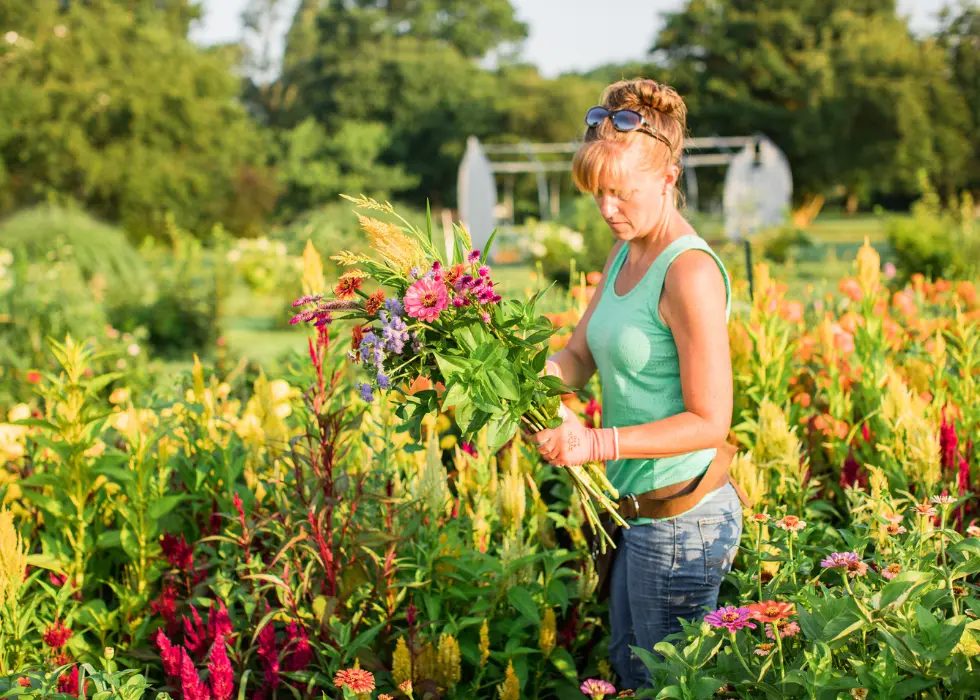
Post-harvest flower care may include harvesting flowers at the correct stage, removing lower foliage, hydrating stems, sorting and grading flowers, checking for damage, and allowing blooms to condition before design work begins.
Flower conditioning helps blooms open, strengthen, and hydrate before they are arranged. Some flowers need extra time to open fully, while others are best used when they are still tighter and fresher.
This step may look quiet behind the scenes, but it is one of the most important parts of keeping wedding flowers fresh.
Good conditioning helps flowers:
- Hold up better in bouquets
- Stay hydrated through transportation
- Last longer during the wedding day
- Open at the right stage
- Look fuller and more polished in arrangements
For locally grown flowers, this step is often one of the greatest advantages. When flowers are harvested close to the wedding date and handled carefully after cutting, they can move through a shorter and more transparent supply chain which extends vase life.
Step 4: Cold Storage and Temperature Management
The floral cold chain is one of the most important parts of wedding flower logistics because freshness depends on what happens between the farm, studio, vehicle, and venue.
Many wedding flowers need cooler storage after harvesting, processing, or designing. The goal is to slow the aging process, keep flowers hydrated, and protect delicate blooms from heat damage.
Temperature management may include:
- Cooler storage
- Avoiding freezing or overheating
- Keeping flowers hydrated
- Managing summer heat
- Planning for outdoor weddings
- Protecting flowers from direct sun during setup
- Using temperature-conscious transportation when needed
Heat is one of the biggest challenges for wedding flowers, especially during outdoor ceremonies, tented receptions, and summer weddings which are popular here on the Eastern Shore of Maryland. Direct sun, hot vehicles, and long setup windows can all affect how flowers hold up.
Cold storage does not mean freezing the flowers. It means keeping them in a controlled environment where they can stay fresh until it is time to design, transport, or install them.
Step 5: Designing Wedding Flowers for Transport
Wedding flowers are designed not only for beauty, but also for movement.
A centerpiece may look lovely in the studio, but it also has to survive being carried, boxed, driven, unloaded, and placed at the venue. A bouquet has to hold together while being photographed, carried down the aisle, hugged around, and placed down between portraits. A large installation may need to be built partially on-site because it would be too fragile or too large to transport fully assembled.
Floral design logistics may influence:
- The mechanics used in arrangements - this is a huge part of Behind the scenes!
- The containers chosen for centerpieces
- How bouquets are hydrated before delivery
- How boutonnieres and corsages are packed
- Whether large installations are built on-site
- Which fragile flowers are added last
- How ceremony flowers can be moved to the reception
This is where floral design and logistics overlap. The finished flowers should look romantic and natural, but the structure underneath has to be practical enough to support the design through the full wedding day.
Step 6: Packing and Loading Flowers for Delivery
Packing is where the behind-the-scenes flower puzzle really begins!
Wedding flowers are usually organized by category, location, and setup order. Personal flowers are packed separately from centerpieces. Ceremony flowers may be grouped together. Reception arrangements may be labeled by table, bar, mantel, welcome area, or other location.
A strong packing and loading process usually includes:
- Labeling arrangements by location
- Grouping personal flowers separately
- Using buckets, crates, boxes, racks, or transport bins
- Securing arrangements so they do not tip
- Keeping emergency supplies on hand
- Loading items based on setup order
- Creating a delivery checklist
Many florists and growers load in reverse order, meaning the items needed first are the easiest to unload once they arrive. This saves time at the venue and helps the setup team move efficiently.
Emergency kits may include extra ribbon, clippers, pins, floral tape, water tubes, zip ties, towels, and backup stems. Wedding flowers are beautiful, but the logistics behind them are very practical.
Step 7: Transportation From Farm to Venue
Transportation is often the most visible part of wedding floral supply chain logistics from farm to venue, but it only works well when every earlier step has been planned carefully.
A short trip from our farm to a Kent Island wedding venue may be much simpler than a long-distance delivery, but it still requires planning. Flowers need to be packed securely, kept hydrated, protected from direct sun, and unloaded carefully.
For wedding days with multiple locations, transportation becomes even more important. Bouquets may need to go to the getting-ready location. Ceremony flowers may need to go to the ceremony site. Reception flowers may need to be delivered and installed somewhere else. Sometimes ceremony pieces are later moved and repurposed for the reception, which adds another layer of coordination.
Step 8: Venue Delivery, Setup, and Installation
Once flowers arrive at the venue, the setup process begins.
This stage often includes coordinating with the planner, venue manager, catering team, rental company, photographer, and other vendors. Setup time matters because flowers often need to be placed after tables, linens, chairs, bars, ceremony structures, and other rentals are ready.
Venue setup may include:
- Confirming access time
- Delivering bouquets and personal flowers
- Placing centerpieces
- Pinning or staging boutonnieres and corsages
- Installing arches, mantels, staircases, or large arrangements
- Managing room flips
- Moving ceremony flowers to reception spaces
Large floral installations can require ladders, extra staff, water access, sturdy mechanics, and enough time to build safely. Many venues have restrictions around nails, tape, candles, water, hanging installations, or setup windows, so those details need to be confirmed before the wedding day.
For couples and planners, this is why floral setup is not something to squeeze into a tiny window. Beautiful flowers need room in the timeline.
Step 9: Breakdown, Cleanup, and End-of-Event Logistics
Wedding floral logistics do not always end once the reception begins.
Depending on the contract, the floral team may return at the end of the event or the next day to handle breakdown and cleanup. This is especially important when the florist or flower farm provides rental vases, compotes, candles, mechanics, arches, or other installation materials.
Wedding floral breakdown may include:
- Rental vase pickup
- Installation breakdown
- Composting or disposing of flowers
- Returning mechanics
- Cleaning containers - Always cleaning something!
- Repurposing flowers
- Donating flowers when possible
- Removing floral materials from the venue
Not every floral contract includes breakdown, so couples should ask about it during the planning process. Some venues require all décor to be removed the same night, while others allow pickup the next morning.
Clarifying this early helps prevent confusion at the end of the event.
Questions Florists and Flower Farmers Should Ask Before Booking a Wedding
Wedding floral logistics are also important for florists and flower farmers to evaluate before committing to an event.
Helpful questions include:
- Do we have enough product or sourcing options?
- Do we have enough cooler space?
- Do we have enough design time?
- Do we have enough delivery vehicles?
- Do we need additional staff?
- Does the venue have difficult access?
- Are we charging properly for delivery, setup, breakdown, and labor?
- What is the backup plan for crop failure or weather?
- Are expectations clearly written in the contract?
Strong logistics protect the client experience and the floral team. Clear planning helps make sure the wedding day is beautiful, organized, and realistic.
Why Local Flowers Still Require Professional Logistics
Local wedding flowers may travel fewer miles, but they still move through a supply chain. The difference is that the chain may be shorter, more transparent, and more connected to the season.
Even flowers grown close to the venue still need proper harvest timing, hydration, cooling, transportation, and setup. Local does not mean effortless. It means the flowers may be grown with more intention, handled by fewer people, and selected for the season and location of the wedding.
For couples who value seasonal beauty, local flowers can bring a sense of place to the wedding day. They reflect what is blooming in that moment, in that region, and in that landscape.
But the flowers still need professional care to arrive fresh and ready.
Beautiful Wedding Flowers Depend on Strong Logistics
Wedding flowers are more than a finished design product. They are a perishable, time-sensitive, labor-intensive part of the wedding day.
From crop planning and sourcing to harvest, cooling, transport, installation, and cleanup, wedding floral supply chain logistics are what make it possible for flowers to arrive fresh, beautiful, and ready for one of life’s biggest celebrations.
When the logistics are handled well, couples do not have to think about the buckets, coolers, packing lists, delivery routes, ladders, mechanics, and backup plans behind the scenes.
They simply get to see the flowers in place, blooming beautifully into the day they imagined!