Who decided flowers were only meant to be enjoyed when they're fresh?
There's something magical about a vase of freshly harvested flowers on the kitchen table. But what if you could hold onto some of that beauty long after the growing season ends? That's where dried flowers come in.
Dried flowers have a character all their own. Their colors soften, their textures get more interesting, and they bring a natural warmth to spaces that can feel a little too polished. And the best part? They aren't just for fall decorating.
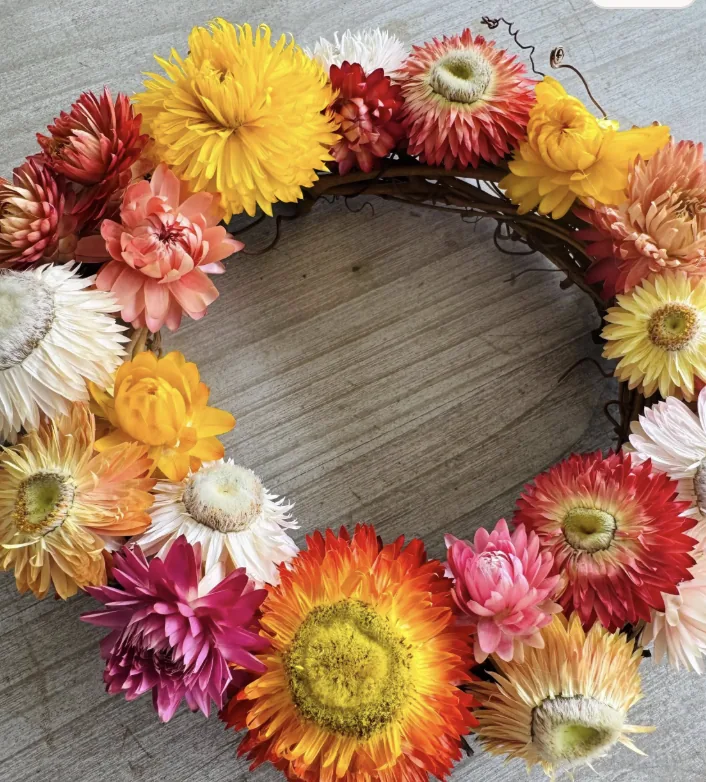
Here are my favorite ways to decorate with dried flowers all year long, the flowers we grow for drying here at Wildly Native, and a few tips for keeping them beautiful.
Why Dried Flowers Deserve a Place in Your Home
Fresh flowers are wonderful, but they're temporary guests. Dried flowers stick around.
They don't need water, they don't need their stems trimmed every few days, and they don't mind if you leave town for the weekend.
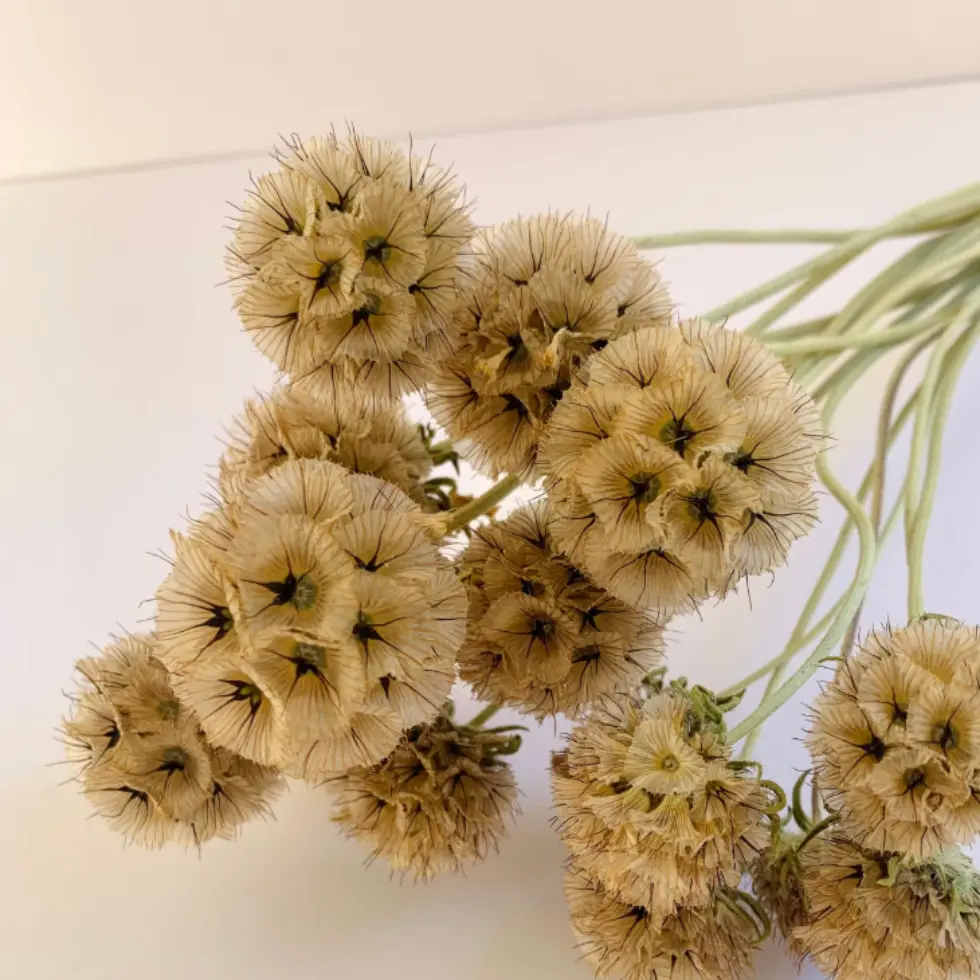
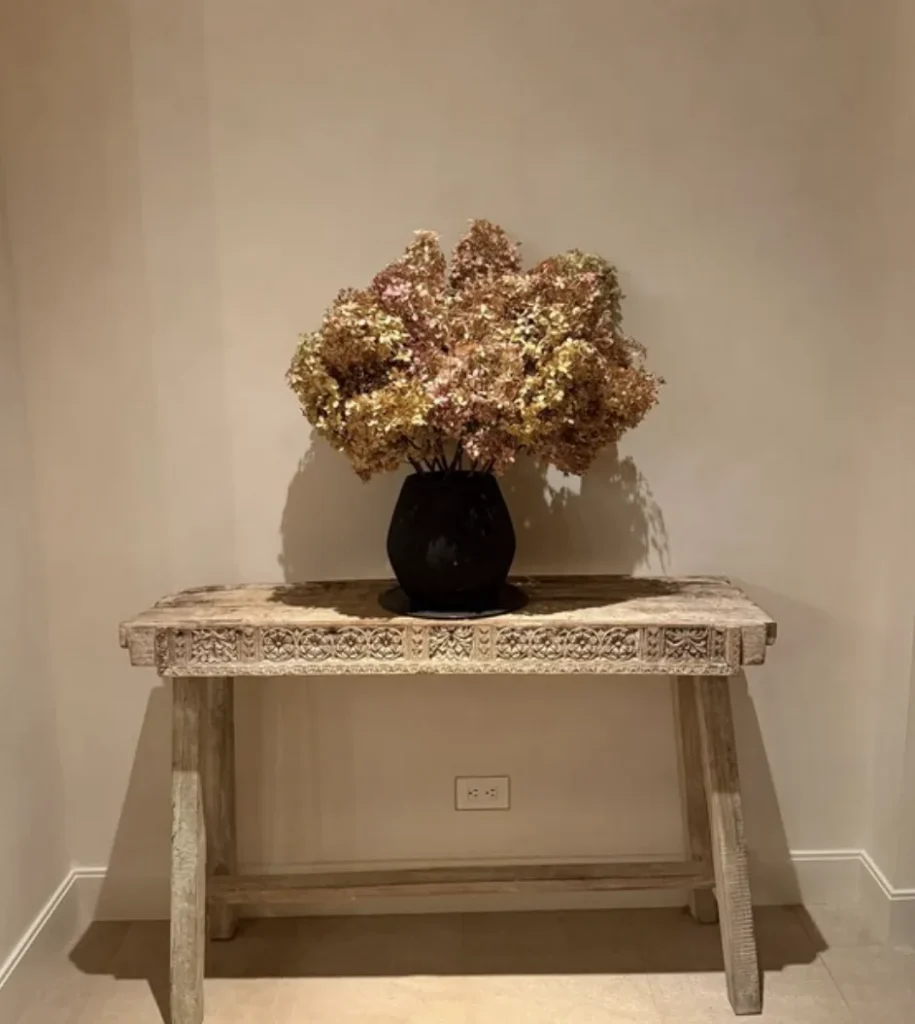
They're also a chance to enjoy flowers in a completely different way. A bright pink strawflower might dry into a deeper, richer shade. Hydrangeas take on beautiful antique tones. Grasses and seed pods add shapes and textures that only get more interesting as they age.
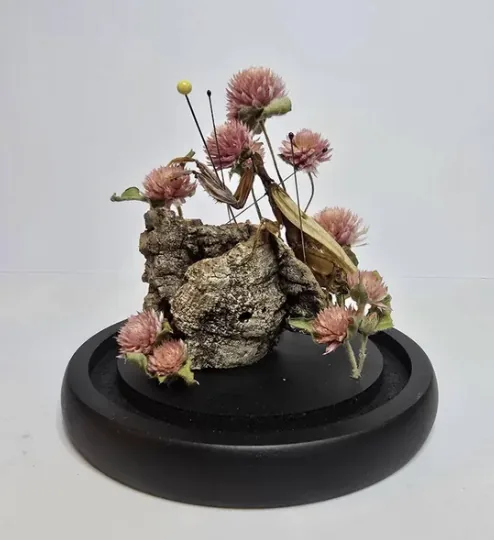
Instead of thinking of dried flowers as flowers past their prime, think of them as flowers entering their next chapter.
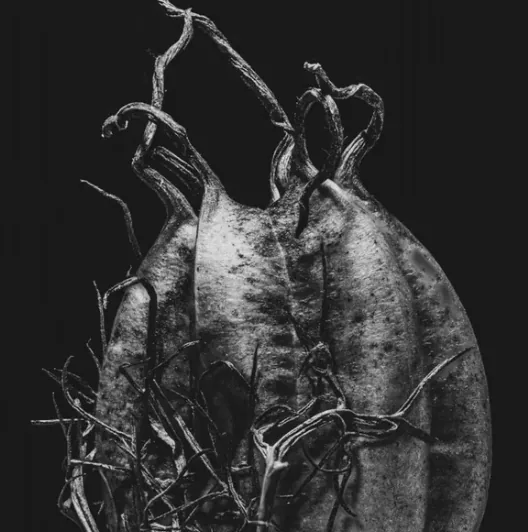
If you love playing with color and texture, try photographing them. Dried flowers give you a whole new perspective!
1. Create Timeless Dried Flower Arrangements
One of the simplest ways to use dried flowers is also one of the prettiest: arrange them in a vase.
Here's the secret to making dried flowers look intentional rather than like something you forgot to throw away. Think about texture, shape, and movement. Fresh arrangements lean on lush petals and bright color. Dried arrangements shine when you combine interesting forms.
Try building with a mix of:
- Papery focal flowers like strawflowers and celosia for color and personality
- Clusters and fillers like statice and globe amaranth for texture
- Big, soft blooms like hydrangeas for a romantic, muted look
- Grasses and seed pods for height and movement
Start with a few taller stems, add your focal flowers, and finish with smaller blooms and interesting textures.
(You'll find my favorite flowers for drying in Section 7 below.)
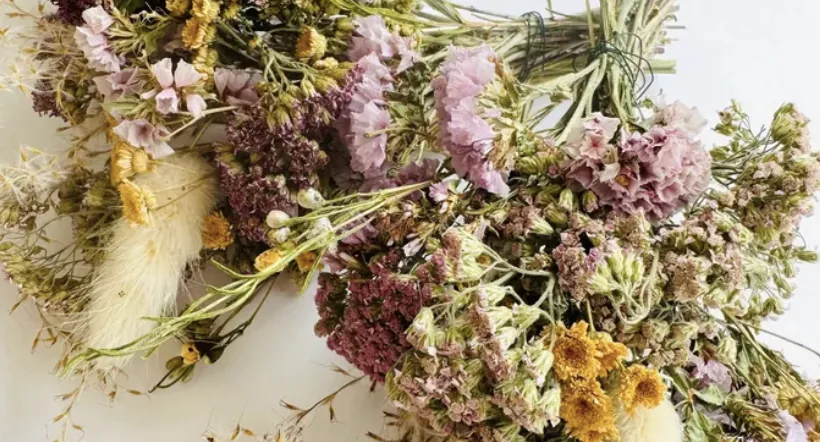
And don't feel like every arrangement needs to be enormous. Sometimes three or four carefully chosen stems in a beautiful ceramic vase make more of a statement than an oversized bouquet.
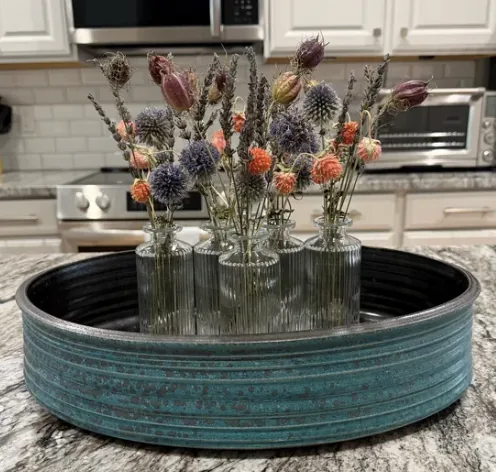
Wildly Native Tip: Try grouping several small vases together instead of making one large arrangement. Different heights and textures make a bookshelf, mantel, or dining table feel effortlessly styled.
2. Make Seasonal Wreaths That Change With Your Home
Wreaths aren't just for Christmas.
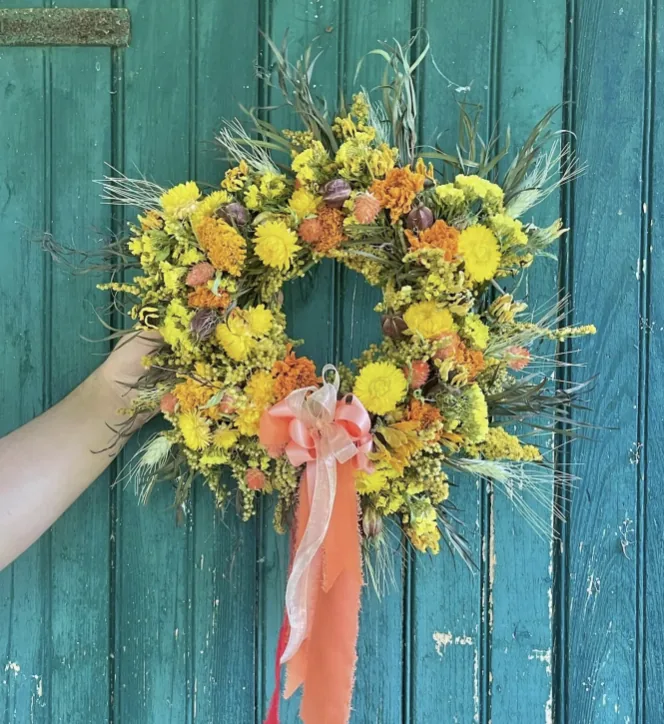
Dried flower wreaths are one of my favorite ways to celebrate the changing seasons without constantly buying new decorations. The trick is to choose a base that works year-round, like grapevine, and change the flowers and accents as the seasons shift.
- Spring: soft pastels, delicate statice, dried grasses, and airy textures
- Summer: cheerful strawflowers, colorful globe amaranth, and vibrant celosia
- Fall: rich burgundy, rust, and golden tones with seed pods and dried hydrangeas
- Winter: muted dried flowers with pinecones, preserved greenery, and natural branches
You can make a full, lush wreath or keep it simple with an asymmetrical design that leaves part of the grapevine showing. Both are beautiful.
If you'd love to learn hands-on, with flowers and guidance right in front of you, come create with us at the farm. Take a look at our on-the-farm experiences to see what's coming up.
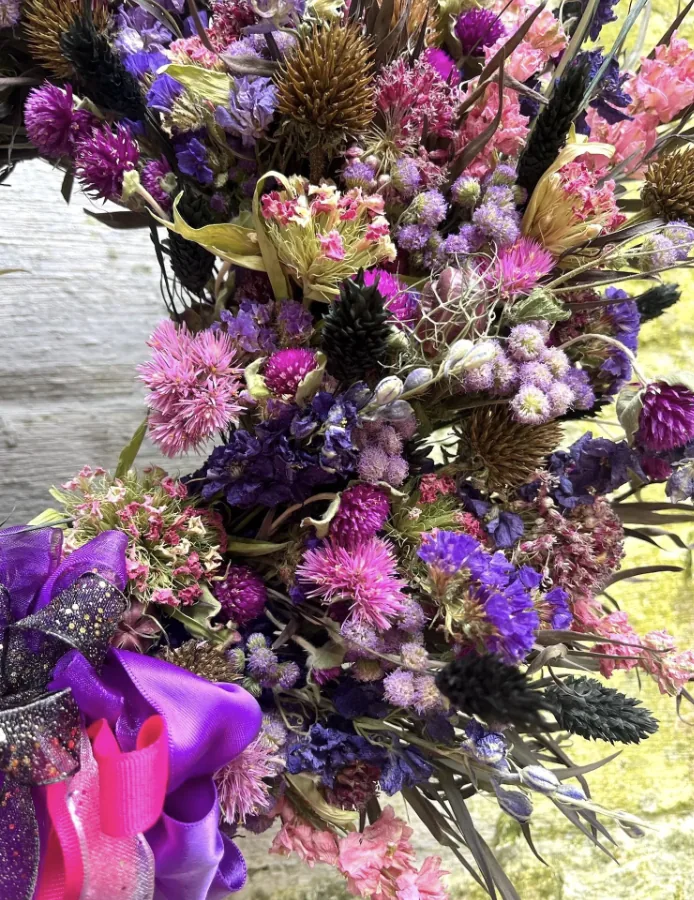
Just remember that dried flowers are fragile and don't enjoy rain, humidity, or direct sunlight. If you're hanging a dried wreath on an exterior door, make sure it's well protected. Otherwise, an interior door or wall is a much safer home for it.
3. Bring Dried Flowers Into Unexpected Spaces
You don't need a formal centerpiece to decorate with dried flowers. Some of the most charming uses are the smallest.
Try a tiny arrangement on a bathroom shelf, a few stems in your home office, or a collection of bud vases on a bedroom dresser. A bundle of lavender looks lovely in a vintage pitcher. A few dried hydrangeas soften an entryway table. Even a single dramatic stem of dried amaranth can become a conversation piece.
I especially love using dried flowers in places where fresh flowers aren't practical.
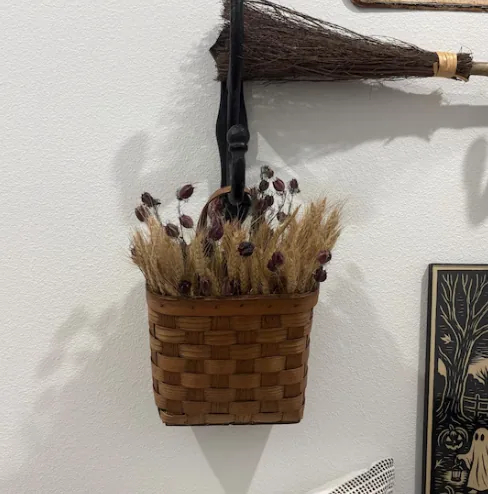
A shelf that doesn't get much attention? Perfect. A guest bedroom you want to feel welcoming? Absolutely. A cozy reading nook that could use a little personality? Even better.
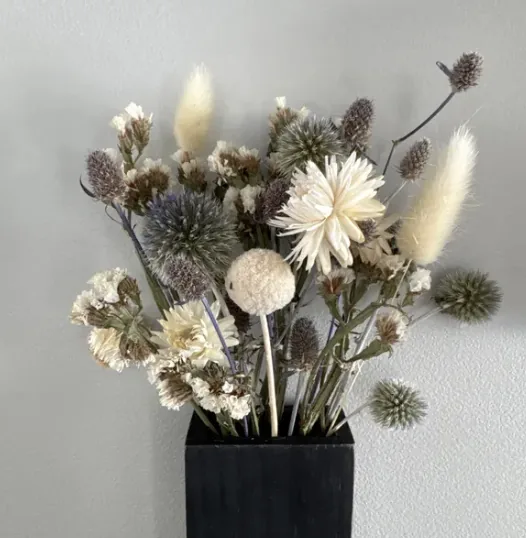
The goal isn't to fill every surface with flowers. It's to create little moments of natural beauty throughout your home.
4. Decorate Your Table With Dried Flowers
Who says your dining table needs a fresh arrangement every week?
For everyday decorating, try a low arrangement in a ceramic bowl or a row of small vases down the center of the table.
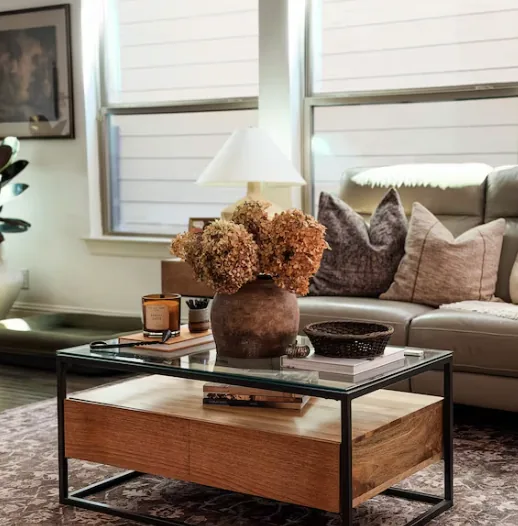
For special occasions, mix dried flowers with linen napkins, natural wood, simple candles, and vintage glassware for a warm, inviting look. You can even tuck a small dried bundle beside each place setting as a thoughtful little detail.
And because the flowers are already dried, you can decorate days ahead instead of scrambling to arrange fresh flowers the morning of your gathering.
One important note: dried flowers are flammable. Keep them well away from candle flames, fireplaces, and other heat sources. Battery-operated candles are a wonderful alternative when you're decorating with dried botanicals.
5. Make Beautiful Botanical Gifts
There's something especially meaningful about a gift made with flowers you've grown or preserved yourself.
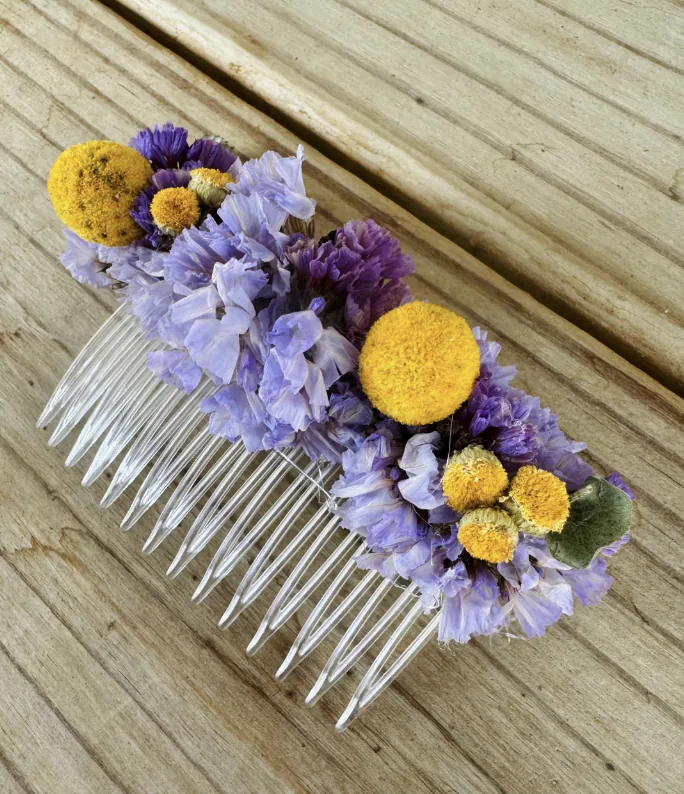
A few ideas:
- Mini dried bouquets tied with ribbon
- Small wreaths for bedrooms or kitchens
- Framed pressed flower art
- Botanical ornaments
- Hair pieces
- Gift toppers
- Dried flower bookmarks
- A few stems tucked into a handmade vase
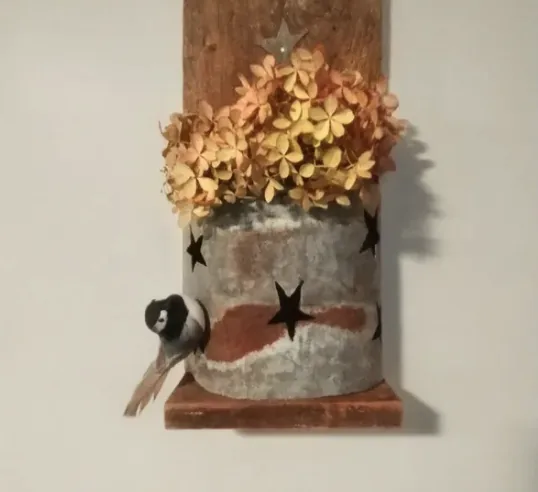
One of my favorite ideas is saving flowers from a special occasion and turning them into something you can enjoy for years. Flowers from a wedding, anniversary, graduation, or meaningful celebration can become a beautiful reminder of that day.
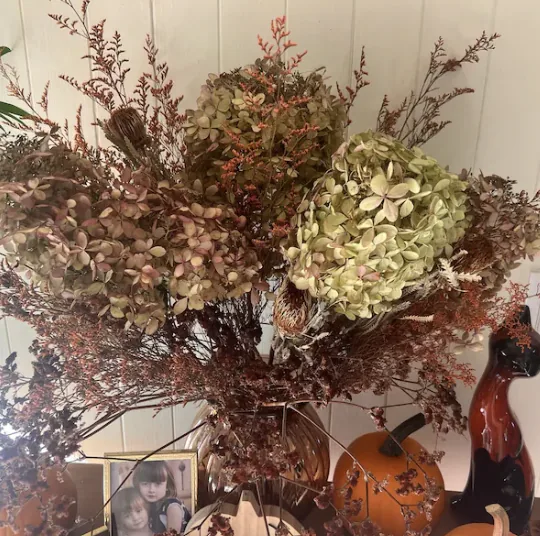
And the gift doesn't need to be complicated. Sometimes a little bundle of dried flowers wrapped in kraft paper and tied with a pretty ribbon is all you need. (Shopping instead of making? Browse our Holiday Gifts collection.)
6. Refresh Your Dried Flowers With the Seasons
One of the biggest misconceptions about dried flowers is that they always look rustic, beige, or autumn-inspired. Not true!
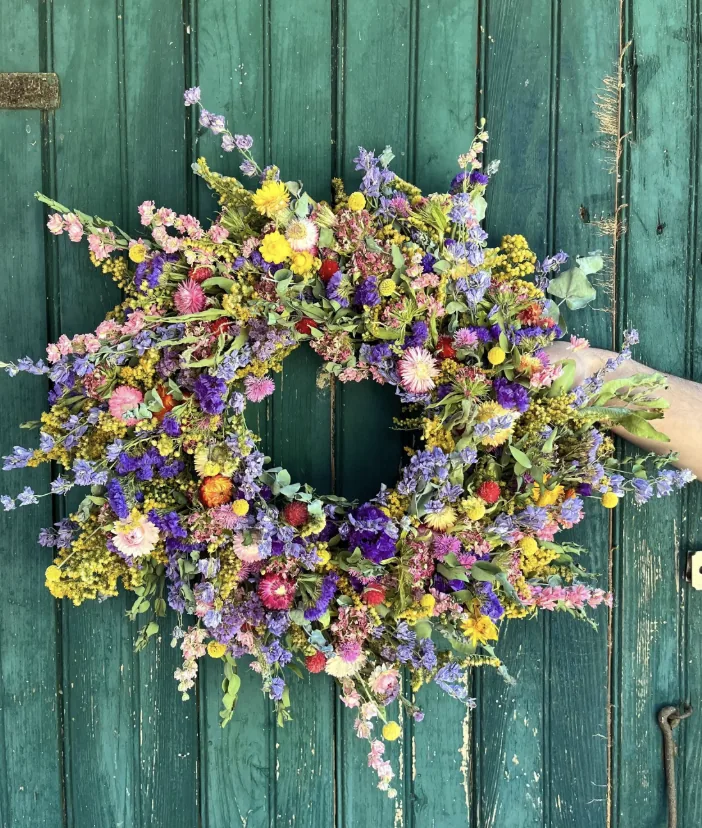
Dried flowers can be colorful, romantic, modern, whimsical, or sophisticated. It all comes down to the flowers you choose and how you style them.
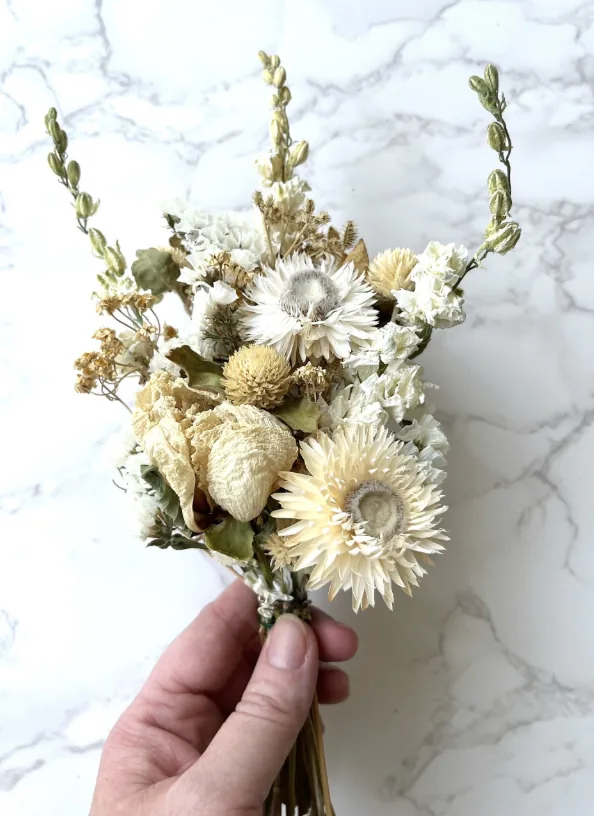
Here's an easy way to keep things feeling fresh: keep the same vase and the same structure stems (your grasses, branches, or hydrangeas), and swap just a few focal flowers each season. Soft pinks and creams in spring, brighter colors in summer, jewel tones and seed pods in fall, and soft neutrals with deep burgundy in winter.
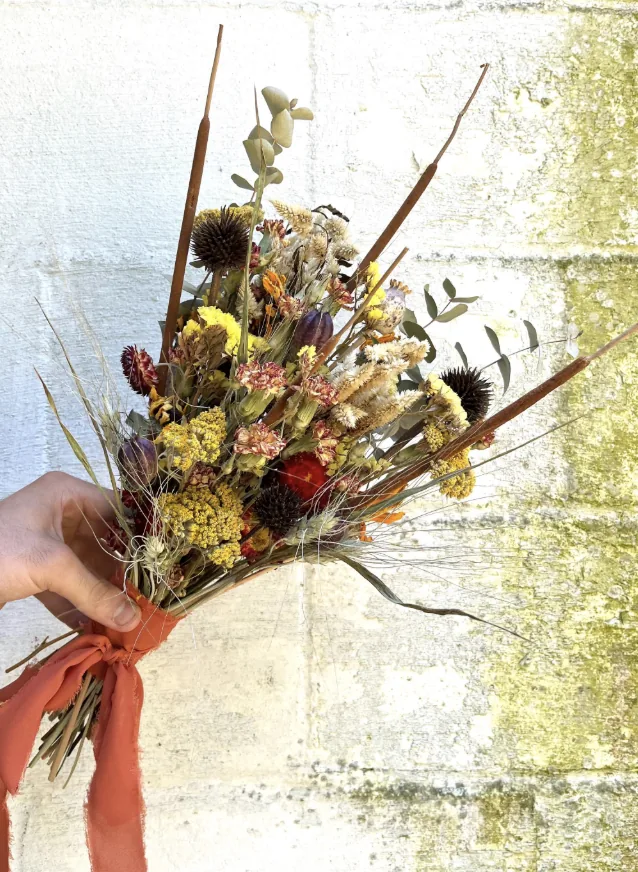
It's a simple way to refresh your home without starting from scratch every season.
7. The Best Flowers to Grow for Drying
Now this is where things get especially fun. If you love dried flowers, why not grow your own?
Many flowers that are beautiful fresh also dry well, but some varieties hold up much better than others. If you're planning a cutting garden, consider setting aside a small section just for flowers you can dry.
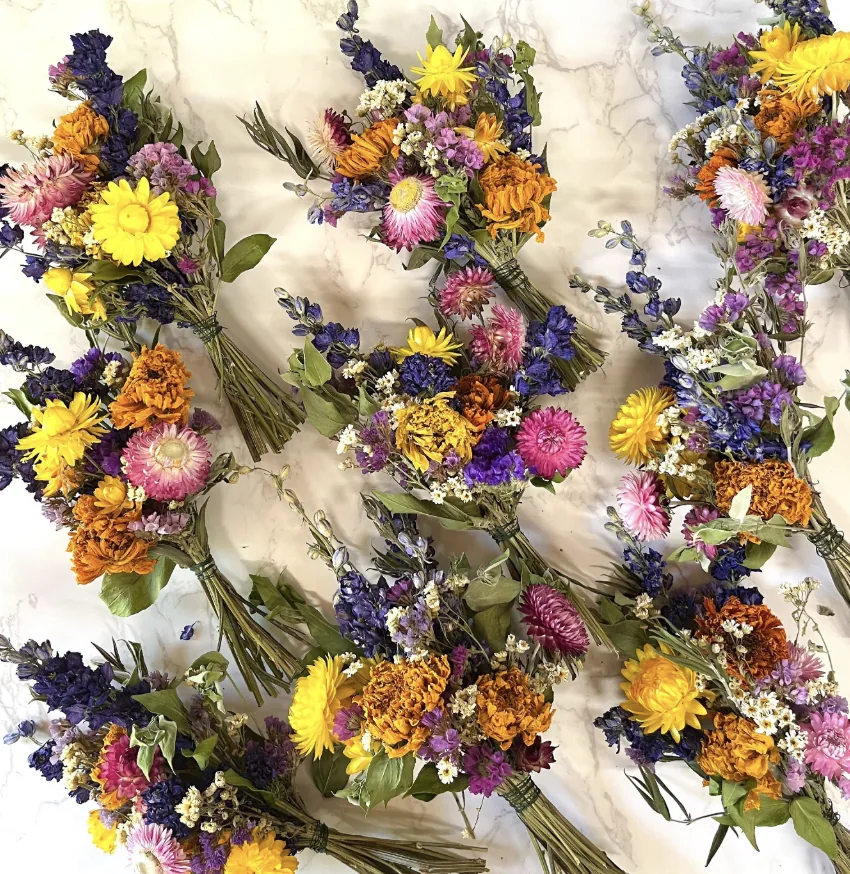
Some of my favorites:
- Strawflowers: One of the best flowers for drying. Their papery petals hold their color and shape remarkably well.
- Statice: A reliable favorite, with colorful clusters that preserve beautifully.
- Globe amaranth: Cheerful little round blooms that dry wonderfully and add texture to almost any arrangement.
- Celosia: Both plume and crested varieties make interesting dried designs.
- Amaranth: Beautiful for dramatic shapes, hanging textures, and rich color.
- Lavender: A classic for dried bundles, and its fragrance often lingers after drying.
- Hydrangeas: Wonderful for larger arrangements, especially when harvested at the right stage.
- Nigella: Gorgeous dried in silica gel (more on that below), and its seed pods are a favorite all on their own.
You can get to know many of these flowers in The Bloom Book.
Growing flowers for drying gives you another way to enjoy your harvest. Instead of watching every bloom fade at the end of the season, you can preserve your favorites and keep creating with them all year.
If you're just getting started, our free Cut Flower Garden Planning Guide will help you plan your own cutting garden. (And if growing flowers turns into more than a hobby, here's our guide to starting a flower farm.)
8. How to Dry Flowers at Home
You don't need fancy equipment to get started. The easiest method is air drying.
For a behind-the-scenes look at our barn and how we use some of these beauties, watch this episode of our dried flowers mini series:
Here's how to air dry flowers:
- Harvest at the right stage. Choose healthy flowers before they start to deteriorate. The ideal stage varies by variety, and some flowers keep opening as they dry.
- Remove extra foliage. Leaves usually don't dry as nicely as the flowers, and they can trap moisture.
- Gather small bundles. Tie stems loosely enough for air to flow, but snug enough that they won't slip out as the stems shrink. (A rubber band works well for this.)
- Hang them upside down. Pick a dry, dark, well-ventilated spot out of direct sunlight.
- Give them time. Most flowers take about two to four weeks to dry, depending on the variety and the humidity.
Once the stems feel dry and the flowers are no longer holding moisture, they're ready to use.
Not every flower dries best upside down. Some hydrangeas can be dried upright, and delicate blooms often do better in silica gel. One of my favorites to dry in silica gel is nigella. Those blooms are AMAZING when they come out of their little sandbox!
Experiment to find what works best for the flowers you're growing, and don't be discouraged if your first tries aren't perfect. Learning to dry flowers is a lot like learning to grow them. Sometimes the best lessons come from trying something new.
9. How to Care for Dried Flowers So They Last
Dried flowers are wonderfully low-maintenance, but they aren't indestructible. A few simple habits keep them looking their best:
- Keep them out of direct sunlight. Strong sun fades their colors over time.
- Avoid humid spots. Moisture can make flowers soften, discolor, or mold.
- Dust them gently. A soft brush or a gentle puff of cool air (try the diffuser attachment on a hair dryer, on the cool setting) removes dust without damaging delicate petals.
- Handle them carefully. Dried stems and petals are brittle, so move arrangements gently.
- Don't add water. Once flowers are dried, they belong in a dry vase.
- Use hairspray to set them. Once your design is finished, a light coat of hairspray helps keep petals from shedding. The cheap, sticky stuff works best! Spray before you style, and away from any candles.
With good care, many dried arrangements stay lovely for months or longer, though their colors and textures naturally change with age. And that's part of their charm.
10. Let Your Home Tell a Story With Flowers
Here's what I love most about dried flowers: they tell a story.
That bundle of strawflowers might remind you of a summer afternoon in the garden. The hydrangeas on your mantel might have come from a family celebration. The little arrangement on your desk might be made from flowers you grew from seed for the very first time.
Fresh flowers capture a moment. Dried flowers let you hold onto it a little longer.
At Wildly Native Flower Farm, we believe bringing nature into our homes shouldn't be limited to the growing season. Whether you're making a wreath, styling a bookshelf, creating a gift, or simply setting a few stems in your favorite vase, dried flowers are a beautiful way to enjoy the garden all year long.
So the next time you're tempted to toss a bouquet that's starting to fade, take another look. There might be a whole new chapter waiting. Because sometimes the most beautiful things in nature aren't finished blooming. They're simply changing.
Bring a Little More Nature Into Your Everyday Life
Want to grow flowers you can enjoy fresh in the garden and dried all year? Start with our free Cut Flower Garden Planning Guide and plan a flower garden that fits your space, your style, and your growing goals.
For more garden inspiration and behind-the-scenes stories from the farm, listen to The Flower Files podcast.
We help you indulge in nature.
Frequently Asked Questions
What are the best flowers for drying?
Strawflowers, statice, globe amaranth, celosia, amaranth, lavender, and hydrangeas all dry beautifully and hold their color and shape. Nigella is lovely dried in silica gel.
How long does it take to air dry flowers?
Most flowers take about two to four weeks hanging upside down in a dry, dark, well-ventilated spot. Timing depends on the variety and the humidity.
How long do dried flowers last?
With good care, dried arrangements can look lovely for months or longer. Keeping them out of direct sun and humidity helps their color last, though colors naturally soften over time.
Can you hang a dried flower wreath outside?
Only in a well-protected spot, like a covered porch out of direct sun. Rain, humidity, and strong sunlight damage dried flowers quickly, so an interior door or wall is safer.
How do you keep dried flowers from shedding?
Handle them gently and give finished arrangements a light coat of hairspray to help hold the petals in place. Spray away from any open flame.
Are dried flowers a fire hazard?
Yes, dried flowers are flammable. Keep them away from candles, fireplaces, and other heat sources, and use battery-operated candles in dried flower centerpieces.