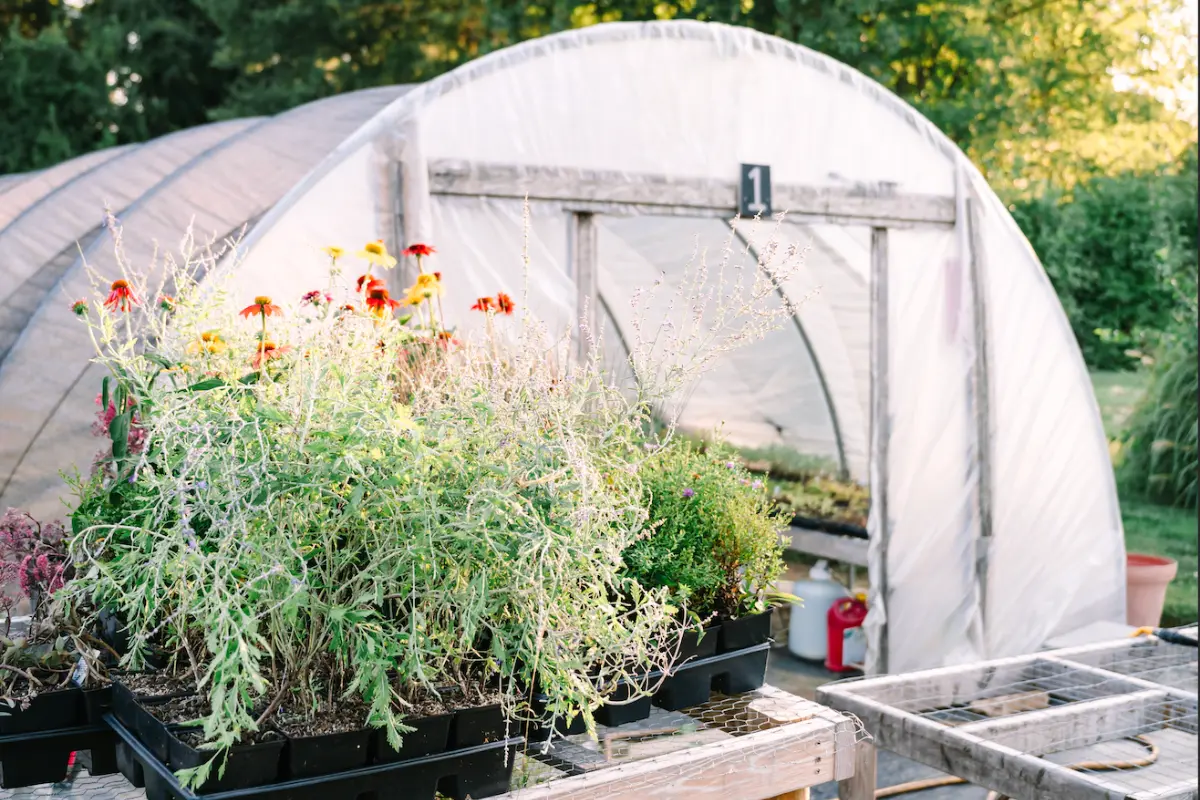

Picture yourself standing in the field either with a tray of seeds you have successfully germinated or with trays of little plants you have picked up from the garden center and can't wait to get started planting! Before you shovel that first spot, pause, and take a few things into consideration to ensure the best possible blooms…
Space Them For Cutting, Not Gardening
First? You want to set up your planting so you have blooms you can actually cut! What is the recommended spacing of the flowers you have selected? While the seed packet directions may suggest one spacing, when you are looking to have cut flowers for production a tighter spacing is often normal. Seed packets are written for home gardens and landscape planting, basically to look pretty, not for cut flower production.
When you’re growing flowers to cut, your goals are completely different — and spacing changes everything.
Sometimes tight is too tight.
If you are trying to maximize space and thing well 9 by 9 is fine lets try 8 by 8, what can an inch hurt? It actually can hurt a lot. Plants still need spacing to allow airflow. If the plants are too tightly packed together then you are at a higher risk for disease and other problems that are not worth the extra space you are trying to obtain.
Cut flower growers intentionally plant closer together to encourage long, straight stems and consistent harvests rather than bushy, wide plants. Depending on the plants selected, some spacing may be on a 9 by 9 grid (which is spacing for most varieties) or a 6 by 6 grid (think tall stems like snapdragons) pattern.
Here’s why tighter spacing works for cut flowers:
- Stem length improves: When plants are closer together, they compete slightly for light. That competition encourages flowers to grow upward instead of outward, resulting in longer, straighter stems that are ideal for cutting and arranging.
- Energy goes into fewer, better stems: Wider spacing allows plants to branch heavily. While that can look great in a landscape bed, it often produces shorter stems. Tighter spacing helps focus the plant’s energy on strong, usable stems instead of excess side growth.
- Harvesting happens earlier and more consistently: Plants grown closer together tend to reach the harvest stage sooner. This creates a more reliable cutting window, which is especially helpful when you want steady bouquets rather than sporadic blooms.
- Tying the flowers up is easier: Plants are grown together and usually at a high concentration and may need some support in the garden from time to time. Using a variety of methods to keep them upright so those stems stay long and strong is common in cut flower production. Either netting or various forms of corralling the flowers may be needed and when they are in a tight spacing this is easier for that specific variety's footprint.
Seed packet spacing assumes no cutting
Most packet spacing assumes flowers will be left on the plant to fully mature. Once you cut flowers regularly, the plant responds differently, and closer spacing supports that growth habit.
In short? Seed packets show you how to grow a flower to look nice. Cut flower spacing shows you how to grow a flower to work hard.
Choose the Right Location
As you get ready to place those first little guys in the ground make sure you have the right planting location. Most cut flowers require a minimum of 6-8 hours of direct sun. While it may sound nice to give them a break with a little shade? This actually can cause issues for you in the long run. Not enough light causes stems to be shorter, the flowers to bloom less and can also allow for some diseases to be introduced. So you want to make sure the location has the right amount of light for sure.
Choose the Right Soil Foundation
When you have the location all picked out make sure you have the right set up for your plants. Those little babies need the right bed to nestle into! Are you going to tuck them into a raised bed? Pots on the patio? A section of your vegetable garden? Standard field growing style? Think long term here and what is going to work best for your set up. Early mornings, water requirements and weeds are all things to consider when choosing your location. Trust me - August you will thank you for thinking about these logistics now!
I could write a whole blog on the soil that you need for cut flowers - oh wait, I did! If you have questions about your soil and the bed prep you can check it out here!
A note on planting depth
If you have finely worked soil from rototilling you need to make sure you are planting at a depth that will not get pulled down into the soft soil when you water the plants. They can end up sinking down more than anticipated if the soil is super finely worked. If the ground is too firm? The plants have a hard time settling in and not getting pushed out by water or if you are headed into the cooler months and trying to over winter plants a freeze could push them up and out of the ground. Think of Goldilocks and the Three Bears when it comes to planting. The soil needs to be just right!
Beds are designed for efficiency, not display
Cut flower beds are meant to be harvested repeatedly, not admired from every angle. The goal is production, airflow through the bed, and ease of harvesting — not the fully rounded shape shown on a seed packet photo. Think of the harvesting perspective - you need to be able to reach all the flowers to harvest them!
If you find your soil to be too hard, we often take a hori hori knife and break up the ground. It allows us to have the soil worked where the plants need it and not completely disturb the entire seed bed. We have found a little firmer planting is advantageous in the long run so plants dont have to work as hard to stay in the ground, If the soil is too loose? Then plants can easily pop out of the ground in a weather event. Summer storms with strong winds can make plants tumble over!
Once everyone is tucked in their new space you need to water them in. The goal here is to keep them moist, not soaked. They are still little! You need to make sure their moisture level is kept up with. This allows for early root development which means stronger plants. Factors such as day time temps, wind and levels of dew all impact the amount of watering you will need to do. For the next two weeks make sure you are checking on them daily! If you have some extreme weather you may need to water sections of the field or even check them twice daily at first.
Common Mistakes When Planting Cut Flowers (And How to Avoid Them)
Starting a cut flower garden doesn’t require perfection, but a few common missteps can make growing feel harder than it needs to be. The good news? Most of these mistakes are easy to fix once you know what to look for.
Planting Too Early
It’s tempting to plant as soon as the weather feels warm, but many cut flowers struggle in cold soil. Seeds may rot before sprouting, and transplants can stall or suffer stress that affects growth all season.
How to avoid it: Wait until soil temperatures are consistently warm and the risk of frost has passed. When in doubt, patience usually pays off.
Following Seed Packet Spacing Exactly
Seed packets are designed for landscape gardens, not cut flower production. Following those spacing guidelines often leads to bushy plants with shorter stems.
How to avoid it: Plant cut flowers closer together to encourage vertical growth and longer stems. Think production over appearance — your plants will thank you.
Skipping Soil Preparation
Planting into compacted or nutrient-poor soil is one of the fastest ways to limit root growth and reduce bloom quality.
How to avoid it: Loosen the soil before planting and add organic matter like compost. Healthy soil creates strong roots, which leads to better stems and repeat blooms.
Overwatering After Planting
More water doesn’t always mean better growth. Overwatering can compact soil, limit oxygen, and encourage disease — especially in heavier soils.
How to avoid it: Keep soil consistently moist, not saturated. Let the surface dry slightly between waterings while roots establish.
Waiting Too Long to Add Support
Many cut flowers grow quickly, and once they flop, it’s difficult to correct. Bent stems often stay bent.
How to avoid it: Add support early — even if plants don’t look like they need it yet. Flower netting or light staking works best when installed before rapid growth begins.
Crowding Too Many Varieties Together
Mixing flowers with very different growth habits in the same space can lead to shading, airflow issues, and uneven harvesting.
How to avoid it: Group flowers with similar height and growth rates together. This makes maintenance, support, and harvesting much easier.
Forgetting the Purpose of a Cut Flower Garden
One of the most common mistakes is treating a cut flower bed like a display garden. Cut flowers are meant to be harvested often, not left to fully bloom.
How to avoid it: Harvest regularly and without hesitation. Cutting flowers encourages branching, stronger stems, and more blooms throughout the season.
Every grower makes mistakes — that’s how gardens teach us.
No matter if this is your first season or 10th season we all learn every year. The goal isn’t to get everything perfect, but to plant with intention and adjust as you go. Cut flowers are surprisingly forgiving, and small changes can make a big difference. Don't forget to pause once in a while and enjoy what you have accomplished!
Ready to choose the best flowers for your cutting garden?
Once your beds are prepped and your spacing is planned, the next step is choosing flowers that will actually reward you with strong stems, repeat blooms, and beautiful bouquets.
Our Top Cutting Flowers Guide walks you through some of the best flowers to grow for cutting, arranging, and enjoying indoors all season long, from beginner-friendly favorites to high-impact bouquet varieties.