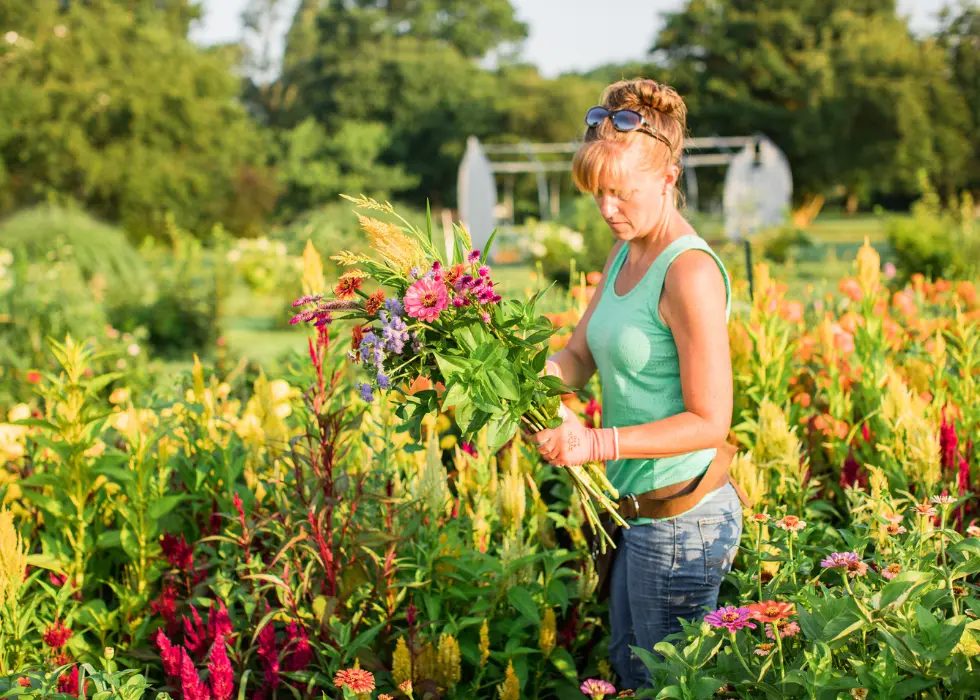
No matter why you want to grow cut flowers, there is always a good reason to add more color to your garden.
Maybe you want fresh flowers for your kitchen table. Maybe you want to share bouquets with friends and family. Maybe your grandmother grew flowers, and you want to carry on the tradition. Maybe you love the birds and pollinators they bring. Maybe you want to grow flowers with your children, create arrangements for your own home, or even grow blooms for your wedding.
Whatever brought you here, welcome.
Cut flowers have a way of capturing a little sunshine and bringing it inside. And the best part? You do not need a whole farm to start growing them.
What Are Cut Flowers?
You may be wondering what we mean when we say “cut flowers.”
Aren’t all flowers technically cut flowers if you snip them from the garden?
Kind of.
When we talk about cut flowers, we mean flower varieties that hold up well after being cut and placed in water. Some flowers wilt almost immediately, no matter what time of day you cut them or how quickly you get them into a vase. Others can last for days, and sometimes even weeks, after being harvested.
Those are the flowers we are looking for.
A cut flower is grown specifically for its ability to stay beautiful after being removed from the plant. Depending on the variety, you may use the foliage, buds, blooms, or stems in arrangements, bouquets, wedding flowers, table designs, or simple vases around your home.
Growing Cut Flowers Is Different From Traditional Gardening
Changing your mindset from traditional gardening to growing cut flowers can take a little time.
You can absolutely have a beautiful cut flower patch. They are flowers, after all. If you do not plan to cut every bloom, your garden can still be both pretty and functional.
But when you start growing flowers for cutting, the goal begins to shift.
Instead of choosing flowers only because they look beautiful in the garden, you start thinking about:
- Vase life
- Stem length
- Bloom production
- Repeat flowering
- Ease of harvesting
- How the flowers work in an arrangement
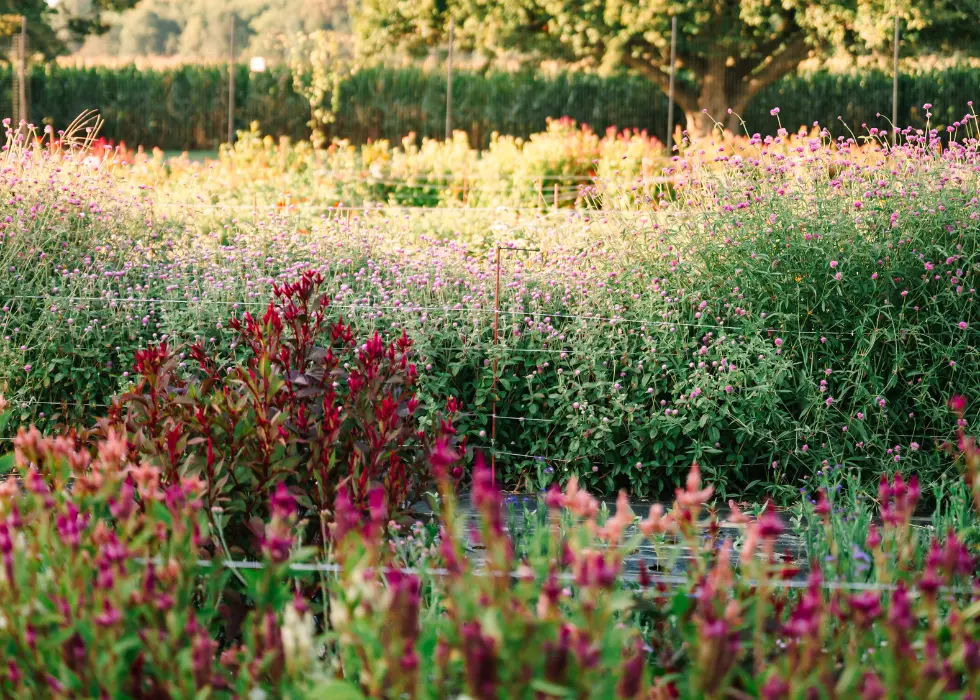
Cut flower gardens are often planted differently too. Instead of a patchwork of plants, many growers use straight rows with walkways in between. This makes harvesting, watering, weeding, and maintaining the plants much easier.
These flowers are the workhorses of the garden. Beautiful, yes. But also productive.
Start With a Few Easy Cut Flower Varieties
When you are first starting to grow cut flowers, it is very easy to get carried away.
You walk into a garden center, see all the seed packets and plant trays, and suddenly everything feels possible. Or overwhelming. Or both.
But one of the biggest mistakes beginner cut flower growers make is trying to grow everything at once.
Instead, start with a few varieties and learn how to grow them well.
Growing cut flowers for beginners is about patience, observation, and confidence. Each season is different. Some flowers will thrive. Some may struggle. Some may surprise you completely.
Start small. Get to know your plants. Learn what works in your space before taking on 30 new flower varieties at once.
Choose Cut Flower Varieties That Are Made for Harvesting
Not every variety within a flower family behaves the same way.
Take zinnias, for example. There are well over 100 varieties of zinnias. Some are bred for traditional gardens and landscaping. These may be shorter, more compact, and designed to look full in a flower bed.
Other zinnia varieties are better for cut flower use. These usually have longer stems, repeat blooms, and better vase life after cutting.
So, a cut flower is not just a regular flower that has been fertilized more to grow taller. Many cut flower varieties are specifically chosen because they perform well after being harvested.
When choosing flowers for your cutting garden, look for varieties known for strong stems, good vase life, and repeat blooming.
Need help choosing what to grow?
Our Top Cutting Flowers Guide walks you through some of the best flowers to grow for cutting, arranging, and enjoying all season long.
Why Beginners Love Growing Cut Flowers
New gardeners often love cut flowers because many varieties are surprisingly easy to grow.
Many beginner-friendly cut flowers are fast growing, forgiving, and incredibly rewarding. Even if you forget to water once or lose a battle with the weeds for a week, many cut flowers will keep growing.
Some varieties are also known as cut-and-come-again flowers. This means that once you cut the blooms, the plant keeps producing more.
That is part of what makes a cut flower garden so satisfying. You are not just growing something pretty to look at once. You are growing flowers you can harvest, share, arrange, and enjoy again and again.
Choose the Right Location for Your Cut Flower Garden
Before you head to the garden center, start by choosing the right location.
Most cut flowers need 6 to 8 hours of sunlight per day. A bright, sunny spot in the yard is usually ideal.
If your garden space gets less sun, you may need to choose varieties that can tolerate partial shade. Without enough light, many cut flowers will produce fewer blooms, weaker stems, and less vigorous growth.
Your location does not have to be huge. One of the nice things about growing cut flowers is that you can start with a relatively small space.
You can grow cut flowers in:
- A backyard garden bed
- Raised beds
- A small cutting patch
- A section of your vegetable garden
- Containers or large pots
- A few sunny rows
A small cut flower garden is often the best way to begin. It is easier to manage, less overwhelming, and still gives you plenty of blooms to enjoy.
Be Honest About How Much Time You Have
A huge patch of cut flowers sounds dreamy, but flowers still need care.
Before you plant, think about how much time you realistically have for watering, weeding, harvesting, and maintenance.
And yes, there will be weeds. There are always weeds.
Starting small can help you build confidence without turning your garden into a second full-time job. You can always expand later once you understand what your plants need and how much time you want to spend caring for them.
Decide Whether to Start From Seed or Buy Plants
Another thing to consider is whether you want to start your cut flowers from seed or buy young plants from a garden center or supplier.
Starting from seed gives you more variety options, but it also requires more planning and infrastructure. You may need seed trays, good light, warm space, and time to care for seedlings before they are ready to plant outside.
Buying young plants can be a great option when you are just getting started. There is nothing wrong with choosing tried-and-true varieties that are already available at your local garden center.
The best option is the one that helps you actually get started.
Check Your Soil Before Planting
Once you have chosen your varieties, picked your location, and made a realistic plan, take a look at your soil.
Healthy soil supports strong roots, and strong roots support better stems and blooms.
Before planting your cut flower garden, consider whether your soil is compacted, too sandy, too heavy, or lacking organic matter. Adding compost and preparing the bed before planting can make a big difference.
If you want to understand this step more deeply, this is a great place to link to your soil course or soil preparation blog.
Pay Attention to Spacing
If I could stress one thing to new cut flower growers, it would be this:
Pay attention to spacing.
When plants are small, it is very tempting to tuck in just a few more. But overcrowding can lead to weaker plants, poor airflow, disease issues, and lower-quality stems.
Spacing guidelines exist for a reason. They help your plants grow well, stay healthier, and perform better throughout the season.
Cut flower spacing may be different from traditional seed packet spacing, but that does not mean tighter is always better. You want enough space for healthy growth, airflow, and easy harvesting.
Plan for More Than One Season
Many new growers think about the first planting, but not what comes next.
What happens after your spring blooms are finished? What will fill your vases in summer? Do you want flowers into fall?
Try to think season-to-season as you plan your cut flower garden. This gets easier every year, but even a simple plan can help you avoid long gaps with nothing blooming.
Your future empty vases will thank you.
Learn When to Cut Your Flowers
One of the biggest beginner mistakes is waiting too long to harvest.
It feels natural to wait until flowers are fully open and beautiful in the field, but that often means they are already past their best harvest stage.
A good rule of thumb is this: if the flowers are fully blooming in the field, it may be too late to harvest them for the longest vase life.
Many cut flowers should be harvested early in the morning while the weather is cool, before the bloom is fully open. Then they should be placed in clean, cool water as quickly as possible.
These small steps help preserve freshness and improve vase life.
Evening harvesting can work too, especially once temperatures cool down, but morning is often easier before the heat, wind, and bugs make the job more difficult.
The Best Way to Start Growing Cut Flowers? Just Start.
Our best piece of advice is simple: Just start.
Pick a few flowers. Grow a few plants. Harvest a few stems. Put them in a vase. See what happens.
You will not know what works in your space until you try it!
The beautiful thing about growing cut flowers is that it is hard to mess up so badly that you do not get at least one vase full of something lovely.
No matter what size garden you decide to grow, or what reason drew you to flowers in the first place, that first bloom is something special.
Just make sure you keep that first one for yourself.
Keep growing wildly.
Ready to choose the best flowers for your cutting garden?
If you are excited to start growing cut flowers but not sure what to plant first, our Top Cutting Flowers Guide is the perfect next step.
Inside, you’ll find beginner-friendly cut flower varieties that are beautiful, productive, and worth the space in your garden, so you can start with more confidence and less guesswork.
Get the Top Cutting Flowers Guide