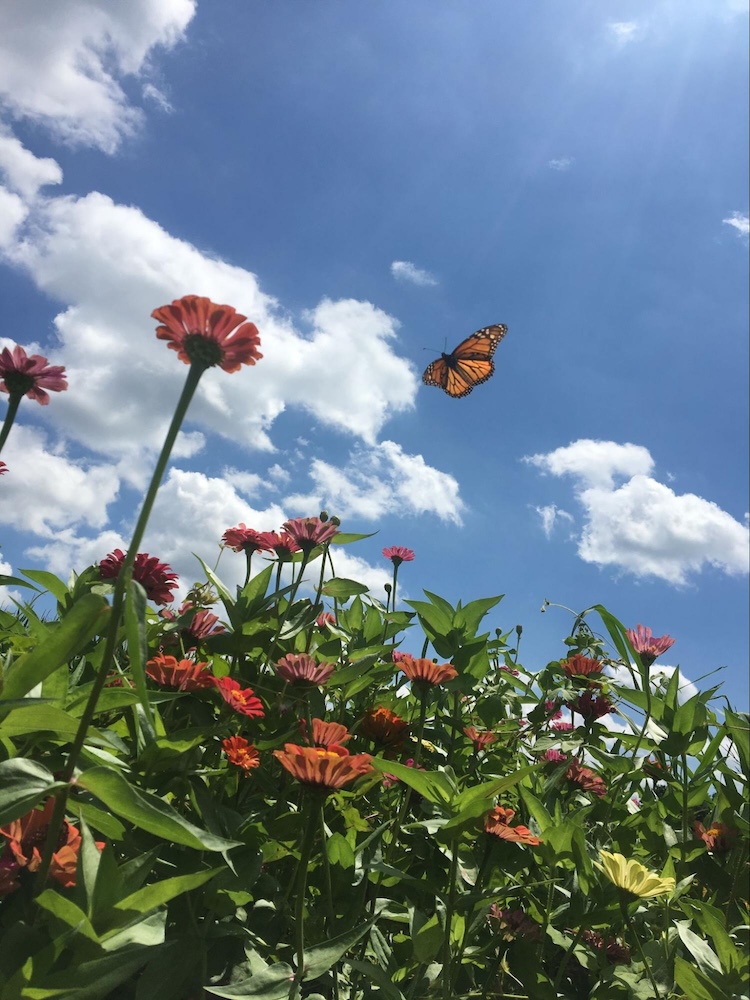
When most people think about planting a pollinator garden, they picture butterflies floating through the flowers and bees buzzing from bloom to bloom. And yes, we absolutely want that.
But creating a garden that truly supports pollinators takes a little more planning than simply buying a few flowers labeled “pollinator friendly” at the garden center.
The good news?
It doesn’t have to be complicated.
A pollinator-friendly garden can still be beautiful, manageable, and filled with flowers you love. In fact, some of the things that make a garden easier to maintain - perennials, thoughtful plant placement, fewer pesticides, and letting certain areas stay a little wild - are exactly the things that can make it a better habitat.
The trick is to stop thinking about individual flowers and start thinking about the whole garden.
First: What Is a Pollinator?
When we hear the word pollinator, bees and butterflies usually get all the attention.
But your garden can also be visited by moths, beetles, flies, hummingbirds, bats and many other beneficial insects.
Pollinators move pollen from one flower to another, helping plants reproduce and produce seeds and fruit.
But here's something we don't talk about nearly enough:
Pollinators need more than flowers.
They need food.
They need water.
They need shelter.
They need places to reproduce.
And some of them need very specific plants to raise their young.
That last piece is where host plants come into the picture.
Nectar Plants and Host Plants Are Not the Same Thing
This is one of the most important things a beginning gardener can learn about pollinator gardening.
A nectar plant feeds the adult pollinator.
A host plant feeds its young.
Think about a butterfly.
The adult butterfly may fly around your garden drinking nectar from several different kinds of flowers. But when it's time to lay eggs, that butterfly may need a very specific plant.
The caterpillar that hatches from that egg needs something to eat—and many caterpillars can't simply eat whatever happens to be growing nearby.
The monarch is probably our most familiar example.
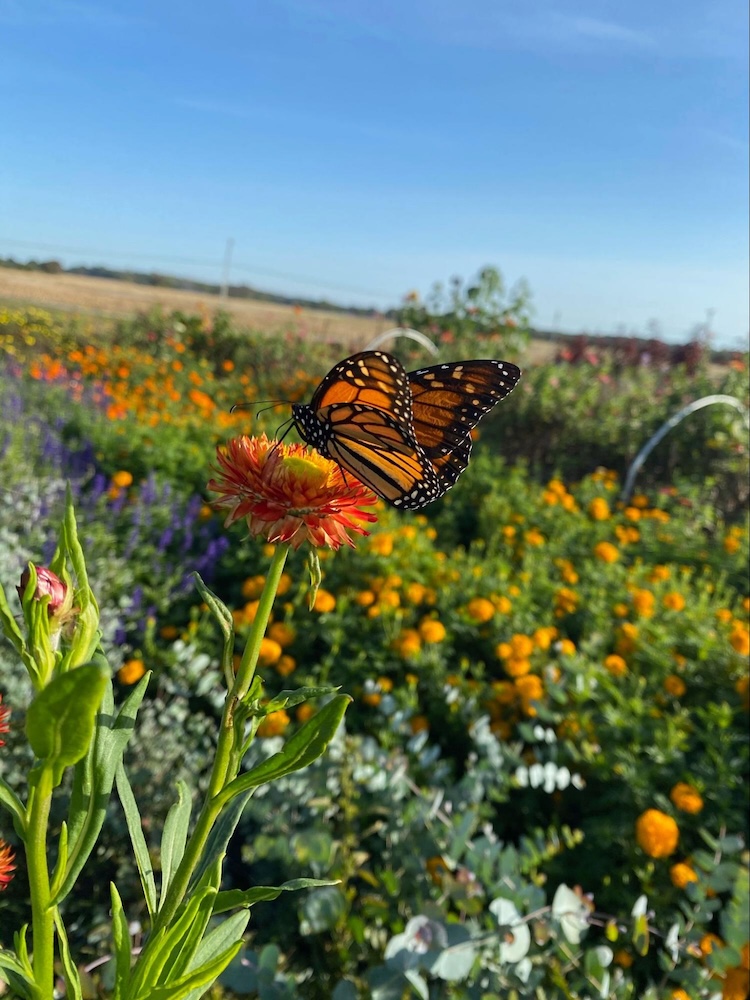
Adult monarchs can drink nectar from many flowers, but monarch caterpillars depend on milkweed.
No milkweed means no food for those caterpillars.
Black swallowtails give us another great garden example. Their caterpillars feed on plants in the carrot family, which means something as simple as dill or parsley can become part of your pollinator habitat.
So when you're planning your garden, don't ask only:
“What flowers will attract butterflies?”
Also ask:
“What plants will allow those butterflies to raise the next generation?”
That's a very different way to garden.
Plan for Spring, Summer AND Fall
One of the biggest mistakes we can make when planning a flower garden is accidentally creating one spectacular month.
Everything blooms.
The garden looks amazing.
The bees arrive.
The butterflies arrive.
And then…
nothing.
When I plan a garden, I want to think about succession—what is blooming now, what is coming next, and what will carry the garden into the next season. Those early blooming flowers are life lines - just like the late season ones are!
The same principle we use when planning flowers for cutting works beautifully when planning for pollinators.
Instead of choosing plants only because you love them, look at your garden as a season.
Early Season
What will be blooming when pollinators first become active?
Spring-flowering trees, shrubs, native perennials and early flowers can provide important resources (think “help im starving!”) before the summer garden really gets going. This is when those dandelions are some of the best food possible!
Summer
This is usually the easy part.
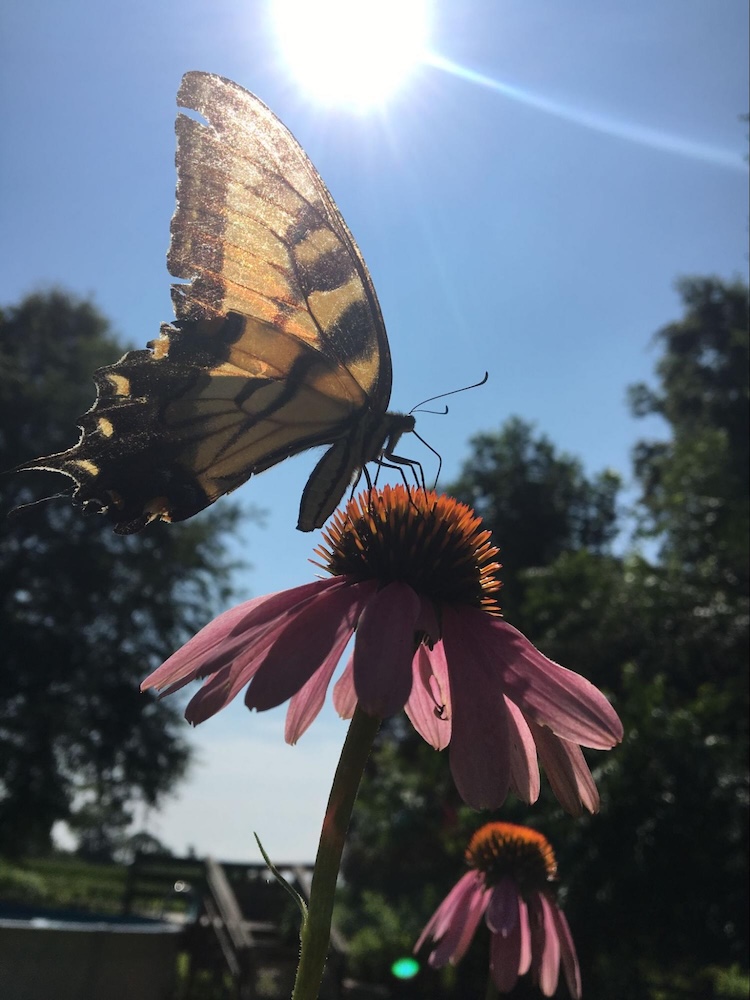
Our gardens are overflowing with choices. Plants like black-eyed Susans, yarrow, mountain mint, milkweed, coneflowers, sunflowers, zinnias and many herbs can turn the garden into a buffet.
Late Season
Don't forget this one.
Asters, goldenrod and other late-season flowers keep providing food after many of our traditional garden flowers have finished.
Your goal isn't to have everything blooming all the time.
Your goal is to avoid big gaps.
Think in Layers, Not Just Rows
Here's another garden-planning trick I love.
Don't think only about which flowers you're planting.
Think about the layers of the garden.
You might have:
Trees and shrubs providing structure.
Tall perennials toward the back.
Medium-height flowering plants through the middle.
Lower-growing flowers and groundcovers near the front.
Annual flowers filling temporary gaps.
Herbs tucked into open spaces.
Host plants intentionally mixed throughout.
Suddenly, you're not planting a collection of flowers.
You're creating an ecosystem.
And it doesn't have to look messy.
Pollinator gardens can absolutely be intentionally designed.
You can repeat plants.
You can plant in groups.
You can create defined edges.
You can use pathways.
You can choose a color palette.
Supporting wildlife doesn't mean giving up the garden you actually want to look at.
Plant More Than One of Something
Here's a simple tip for beginning gardeners:
Stop buying one of everything.
I know.
It's hard.
You walk into the nursery and suddenly you need ALL THE THINGS. I am the biggest offender of this!!!
But grouping several plants of the same variety together creates a larger, easier-to-find food source for visiting pollinators.
It also makes your garden design look more intentional. At least that's what people say… So consider this your green light to HAVE to buy more plants!!!
Instead of:
one of this
one of that
one of those
and oooh…one of these…
try repeating plants throughout the garden or planting them in small drifts.
It's better garden design and better pollinator planning.
Give the Caterpillars Something to Eat
This is where pollinator gardening gets uncomfortable. something might eat it.
THAT’S THE POINT!!!!!!
A caterpillar chewing holes in a leaf doesn't necessarily mean something has gone wrong.
Sometimes it means your garden is working!
Plant enough that you're willing to share.
Put host plants somewhere that a few chewed leaves aren't going to drive you crazy.
And before you immediately reach for a spray because you see an insect or damaged leaf, figure out what's actually causing the damage.
That little bit of detective work can save beneficial insects that you actually WANT living in your garden.
Your Pollinator Garden Doesn't Go to Sleep When You Do
When we picture a pollinator garden, most of us immediately think about bees buzzing around the flowers and butterflies floating through the garden.
But that's only the day shift.
Once the sun goes down, your garden changes—and an entirely different group of visitors may show up.
Moths are important nighttime pollinators, visiting flowers while we're inside wondering what happened to the day. Many are attracted to pale or white flowers that are easier to see in low light, especially flowers that release their fragrance in the evening.
And then there are bats.
Depending on where you live, bats can play different roles in the garden ecosystem. Some bat species are important pollinators, particularly in warmer parts of the world. Here in Maryland, our native bats are primarily insect eaters rather than flower pollinators—but that doesn't make them any less valuable to the garden.
They're part of the bigger ecosystem we're trying to support.
That's something I've become even more fascinated by after my conversation with Kesha from Delaware Bat Rescue on The Flower Files. When we start looking beyond the flowers themselves, we realize just how many creatures are using our gardens—often when we aren't even watching.
So when you're planning your garden, think beyond butterflies and bees.
Think about who visits during the day, who visits at dusk, and who arrives after dark.
Could you include evening-blooming or fragrant flowers for moths?
Could you reduce unnecessary outdoor lighting so nocturnal insects can navigate naturally?
Could you leave some areas of your property a little less manicured to provide habitat?
Could your garden become part of a larger space that supports insects, birds, bats and other wildlife?
You don't have to design a separate garden for every creature.
You simply have to start thinking about your garden as habitat—not just decoration.
Leave Some Habitat
We have been trained to believe that a “good gardener” cleans everything up. Cut it down, rake it out, remove the leaves. Make everything tidy before winter. But, some of the insects we're trying to attract need those materials.
Hollow stems can provide nesting habitat.
Leaves provide shelter.
Dead plant material can become overwintering habitat.
Some native bees even nest in the ground.
So maybe your garden doesn't need to be spotless.
That doesn't mean abandoning it.
It means choosing areas where nature gets to stay a little more natural.
Maybe there is a section where leaves remain.
Maybe some perennial stems stay standing through winter.
Maybe every inch of exposed soil isn't covered with landscape fabric or thick mulch.
A little imperfection can have a purpose.
Don't Forget Water
We spend so much time thinking about flowers that it's easy to forget another basic need:
water.
A shallow water source can be incorporated into a pollinator garden without turning your backyard into a giant water feature.
A shallow dish with stones can provide landing areas while giving insects access to water.
Just remember that standing water needs to be refreshed regularly.
It's one tiny addition to the garden plan that can make the space more complete.
Start With Your Actual Garden
This may be the most important part. Don't start with a plant list, start with space.
Start with your space.
Before buying anything, look at:
- How much sun the area receives
- Where water collects
- Which areas dry quickly
- Your soil
- How much room you actually have
- What's already growing there
- When existing plants bloom
- How much maintenance you realistically want to do
Because a gorgeous pollinator plant that needs full sun isn't going to magically love the shady corner beside your garage.
And a plant that likes moist soil isn't going to be thrilled in your driest bed.
Right plant. Right place.
Planning first saves a tremendous amount of frustration later.
Create Your Pollinator Garden on Paper First
This is where garden planning becomes incredibly helpful. Email with black swallowtail butterfly
Before you order seeds or walk into the nursery, sketch out your space.
Then start filling in the pieces.
Ask yourself:
Where are my spring flowers?
Where are my summer flowers?
What is blooming in fall?
Where are my host plants?
Do I have different flower shapes and heights?
Where can insects find shelter?
Do I have a water source nearby?
Are these plants actually suited to my sun and soil?
Now you're making decisions with a plan instead of standing in the garden center trying to remember whether you already bought six coneflowers.
And THIS is exactly why I love planning a garden before planting it.
You Don't Need to Turn Your Entire Yard Into a Pollinator Meadow
Please don't let this become another gardening project that feels overwhelming.
You don't need five acres.
You don't need to rip out your entire landscape.
You don't need 75 different native plants.
Start with one bed.
Add a host plant.
Fill a bloom gap.
Plant three of something instead of one.
Leave a few stems standing this winter.
Add some milkweed.
Let the dill go to flower.
Every season, you can make the garden a little better.
That's how good gardens are built anyway.
Not all at once.
One thoughtful decision at a time.
Plan a Garden That's Beautiful AND Useful
One of my favorite things about gardening is realizing that the garden doesn't have to serve only one purpose. It can give us flowers to cut, provide food for bees, grow host plants for caterpillars, seeds for birds, and gives insects somewhere to spend the winter. And yes, it can still look like a garden you're proud of.
The secret isn't planting more randomly. It's planning more intentionally.
If you're ready to plan your own flower garden, my Garden Planning Guide walks you through the process of thinking about your space, choosing what to grow, and planning your flowers before planting season arrives.
Because whether you're planning for beautiful bouquets, more pollinators, or hopefully a little bit of both, the best gardens usually start long before the first plant goes into the ground.
They start with a plan.
Want to hear more? Listen to The Flower Files episode “Pollinators in a Backyard Garden — Real Talk with Cindy King” for our conversation about soil, native plants, host plants, beneficial insects, butterflies, cover crops, and why sometimes letting your garden stay a little wild is one of the best things you can do.