
When I first started growing flowers on a wholesale level, I remember looking at all the decisions in front of me and feeling completely overwhelmed.
I knew I could grow flowers. I knew I could grow them well. But growing cut flowers for production meant thinking through so many connected decisions:
- How do I choose the right flower varieties?
- How do I decide how many focal flowers, fillers, and greens to grow?
- How do I choose perennials when they are much harder to move later?
- How do I set up my field so it actually works?
- How do I make money from the flowers I choose to plant?
If you have asked yourself any of those questions, you are in very good company.
Whether you are growing a backyard cut flower garden for yourself or starting a flower farm on a larger scale, there are a few common mistakes that can make the process harder than it needs to be. The good news? Most of these cut flower growing mistakes are fixable once you know what to look for.
Let’s walk through the top mistakes new cut flower growers make and how to avoid them.
Mistake 1: Using the Wrong Spacing for Cut Flowers
Spacing is one of the biggest mistakes new cut flower growers make.
Growing flowers for cutting is different from growing flowers for a landscape bed. Seed packet spacing is often written for home gardens where the goal is a full, pretty plant. But when you are growing cut flowers, your goal is different. You want long, strong, harvestable stems.
If plants are spaced too far apart, they often grow bushy instead of upright. The stems can become shorter, floppier, and less useful for cutting. Wider spacing can also leave more room for weeds and reduce the total number of stems you can harvest from a bed.
But planting too close together creates problems too.
When plants are crowded, airflow is reduced. Leaves overlap, moisture sits on the plants longer, and disease can spread quickly. Mildew and other fungal issues are much harder to manage once plants are packed too tightly.
The goal is to find the right spacing for the specific flower variety and your growing setup. Cut flower spacing should support long stems, healthy airflow, and easy harvesting.
Mistake 2: Harvesting Flowers Too Late
When those first blooms appear, it is so exciting. After weeks or months of planning, planting, watering, and waiting, it feels amazing to see flowers finally opening in the field.
But one of the most common mistakes new cut flower growers make is harvesting too late.
A flower that looks “perfect” in the field, fully open and showy, has already used up a good portion of its vase life. By the time that flower reaches a customer, it may fade quickly, droop, or shatter.
For the longest vase life, most cut flowers should be harvested at the proper bud stage. This usually means cutting them just as they begin to open, but before they are fully mature.
Harvesting at the right stage allows the flower to finish opening in the vase. This improves freshness, extends vase life, and helps you build a reputation for flowers that last.
Mistake 3: Skipping Succession Planting
Succession planting is what separates a hobby garden from a reliable cut flower operation.
Instead of planting everything at once and getting one huge flush of blooms, succession planting means staggering your plantings every two to three weeks. This creates a steadier and more predictable harvest window.
Without succession planting, new growers often end up with one of two problems: They either have a flood of stems they cannot sell fast enough, or they have empty beds when customers are ready to buy.
Succession planting helps keep your market table full, your bouquet orders consistent, and your income more stable throughout the season.
It turns chaos into a calendar, and that calendar can support actual cash flow.
Mistake 4: Not Growing Enough Greens and Foliage
It is very easy to fall in love with the showy flowers.
Dahlias, lisianthus, peonies, ranunculus, and other focal flowers tend to get most of the attention. But one of the most expensive mistakes new cut flower growers make is not growing enough greens.
Greens and foliage create volume, movement, and structure in bouquets. They fill in the gaps and help arrangements look full, finished, and professional.
Without enough greenery, you may be forced to buy it in, substitute with whatever you have, or make smaller bouquets than planned. That can eat into your profit and limit your flexibility.
A good starting point is to plan for at least 30 to 40% of your harvest space to support foliage and fillers.
Flowers may catch the eye, but greens are often what make bouquets feel full, cohesive, and profitable.
Mistake 5: Planting Without a Sales Plan
Another common mistake new cut flower growers make is not deciding where the flowers are going before they plant them.
This mistake is not about how you grow. It is about what happens after harvest.
You can plant beautiful varieties, care for them for months, and cut them at the perfect stage.
But if you do not have a clear plan for where those stems are going, the flowers can quickly become stressful.
Some crops come into bloom fast. Once they are ready, they are ready. Flowers do not wait while you figure out what to do with them.
Without a sales plan, you may find yourself scrambling to post on social media, discounting flowers to move volume, or watching blooms fade in buckets.
Before you plant, decide your primary outlet. Are you growing for:
- Market bouquets?
- Flower subscriptions?
- Florists?
- Weddings and events?
- A farm stand?
- Wholesale customers?
When you know where the flowers are going, you can grow with that end goal in mind. A clear sales path turns stems into income instead of stress.
Mistake 6: Not Planting the Right Mix of Flowers
One of the most common mistakes new cut flower growers make is planting based only on what looks beautiful in seed catalogs.
And listen, it is very easy to get swept up in those fancy catalogs!
But a profitable cut flower garden needs more than pretty flowers. It needs a balanced mix of flowers that work together in bouquets and arrangements.
Without the right mix, you may end up with buckets full of focal flowers but nothing to support them. Or you may grow lots of filler with no strong blooms to anchor the bouquet.
A helpful rule of thumb is the 70-20-10 ratio:
- 70% dependable anchor flowers and greens that produce heavily and sell easily
- 20% secondary or accent blooms that add personality and texture
- 10% premium or specialty flowers that create excitement and higher price points
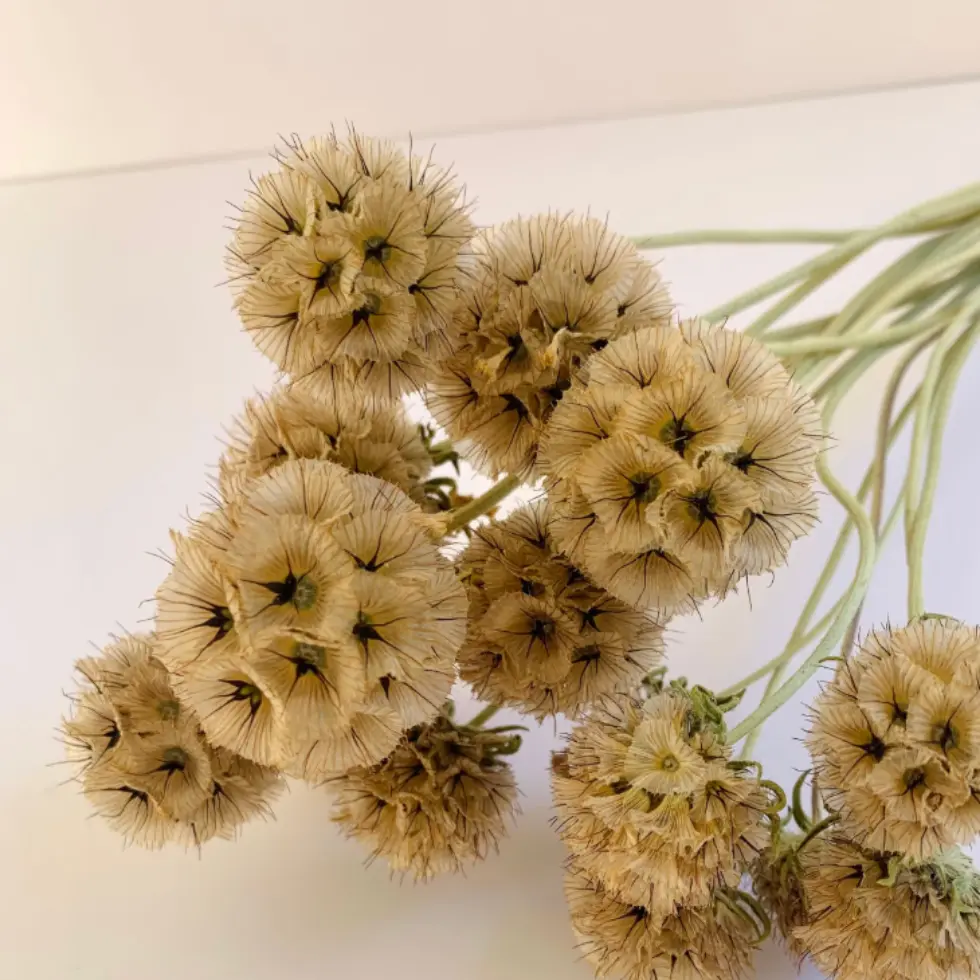
Anchor flowers might include zinnias, sunflowers, snapdragons, or reliable foliage. Accent flowers could include celosia, scabiosa, or other textural blooms. Premium flowers might include dahlias, ranunculus, or specialty varieties that require more care.
This balance will vary depending on your region, season, color palette, and sales goals. But the overall idea is the same: successful growers plan around how flowers work together in the vase, not just how they look individually in the field.
When the mix is off, everything becomes harder. Too many premium blooms can mean high costs and inconsistent supply. Too many fillers can make arrangements feel flat. Not enough anchors can leave you without the volume you need to meet demand.
Mistake 7: Trying to Grow Cut Flowers Alone
Many new growers assume flower farming is a solo pursuit.
Seeds. Soil. Water. Hard work.
And yes, all of those things matter. But relationships matter too.
Without connections, you can miss out on shared knowledge, bulk buying opportunities, backup supply when crops fail, and referrals that can help your business grow.
Local networks of farmers, florists, market vendors, gardeners, and agricultural organizations can become an informal safety net.
Experienced growers can help you troubleshoot pest issues, recommend varieties that perform well in your region, and warn you about common mistakes before you invest time and money.
Florists can tell you what they struggle to source locally. Fellow growers can trade or sell stems when you have gaps, or when you suddenly have more flowers than expected.
Connections also create visibility. When people know you grow flowers, opportunities begin to appear. This can lead to wedding orders, market referrals, workshop invitations, corporate events, or collaborations.
Especially in the early years, word of mouth can be more powerful than any advertisement.
Do not be afraid to ask questions. Find your people. Flower farming may happen in the field, but it grows stronger in the community!
Mistake 8: Forgetting to Share Flowers With Your Community
Here is one more piece of advice: give flowers away sometimes.
Take flowers to your local pharmacy. Drop some off at the post office. Bring flowers to a school, police station, library, or someone who could use a little beauty in their day.
People remember that.
Flowers have a way of opening doors, starting conversations, and creating connection. And honestly? It is worth it.
Sharing flowers with your community is not just generous. It helps people remember who you are, what you grow, and how your flowers make them feel.
Remember, the goal is not to get everything perfect in your first season.
Every new cut flower grower makes mistakes. That is part of learning.
The true goal is to understand what your flowers need, what your customers need, and how to make better decisions as you grow.
Start with good spacing. Harvest at the right stage. Plan your successions. Grow enough greens. Know where your flowers are going. Build the right crop mix. Find other growers. Share what you grow.
Those small shifts can make your cut flower garden more productive, more profitable, and a whole lot less stressful.
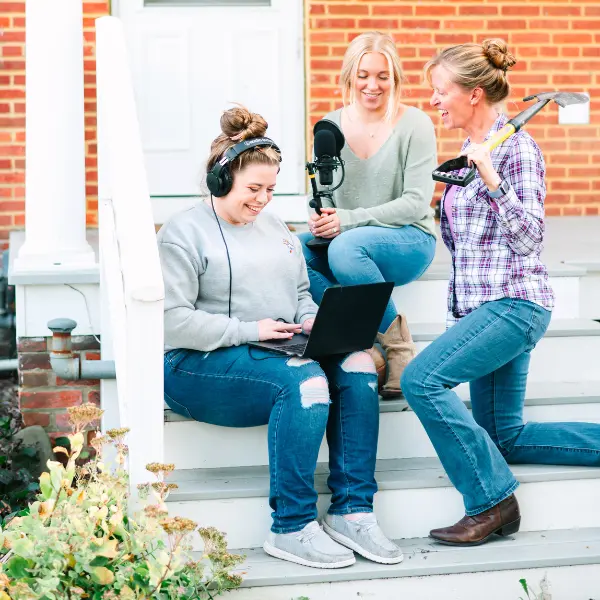
Listen to the Flower Files Podcast
Want to dig deeper into how a flower moves from seed to sales floor?
In Episode 105 of The Flower Files Podcast, we talk through what it really takes to grow flowers with the end goal in mind, from choosing varieties to planning your harvest and thinking through the sales process.
If you have read this far, you are going to love this episode!