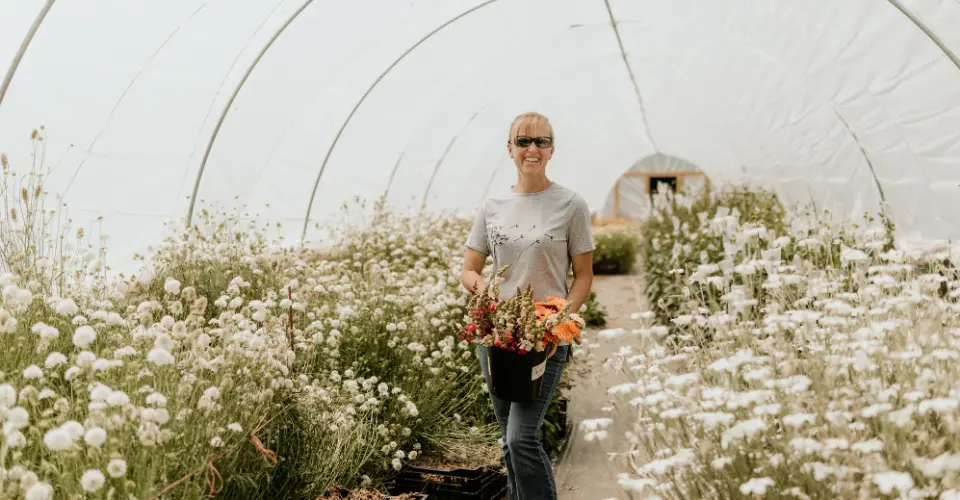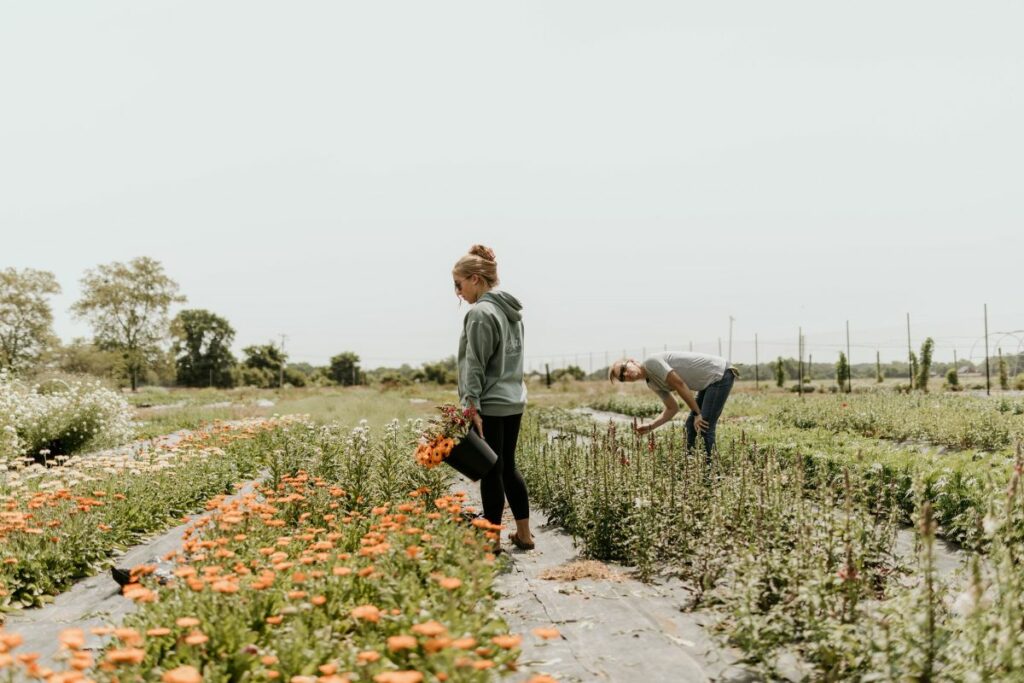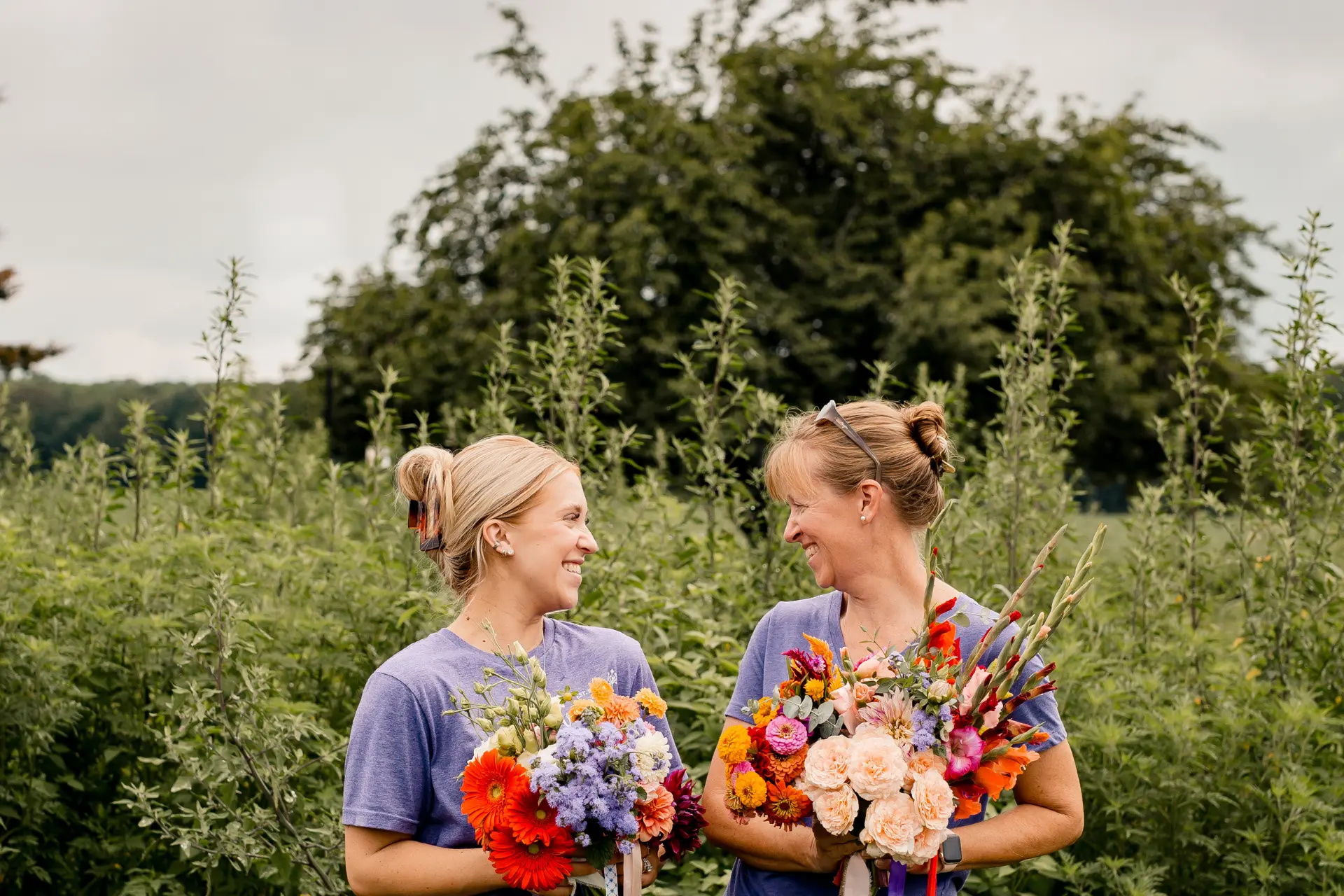
When we plant a seed, we're planting future potential.
On our flower farm, every crop has a job to do. Of course, we want beautiful flowers, but we also want plants that continue creating value long after the fresh bouquet season ends. The most profitable flowers aren't always the ones with the highest price tag—they're the ones that can be harvested, marketed, and sold in multiple ways throughout the year.
That's why we're always looking for flowers that do more than produce one beautiful bloom. Some become gorgeous dried flowers. Others produce decorative seed pods that customers love for wreaths and home décor. Some can be harvested repeatedly all season long before becoming valuable dried products for winter sales.
By choosing flowers with multiple uses, we're able to maximize every square foot of growing space while creating products for customers in every season. Whether you're growing flowers for your backyard, farmers market, florist business, or flower farm, these are some of our favorite crops for creating multiple income streams from a single planting.
Caring for Dried Flowers
Before we dive into our favorite crops, let's talk about keeping dried flowers looking their best.
To preserve the richest colors, always keep dried flowers out of direct sunlight. UV exposure is one of the quickest ways to fade even the most vibrant blooms.
One of our favorite tricks is cleaning dusty dried flowers with a hair dryer. Set it to the lowest speed and the coolest temperature, then give your arrangements a gentle puff of air. It's an easy way to remove dust without damaging delicate petals or seed pods.
Profitable Flowers with Decorative Seed Pods
Nigella (Love-in-a-Mist)
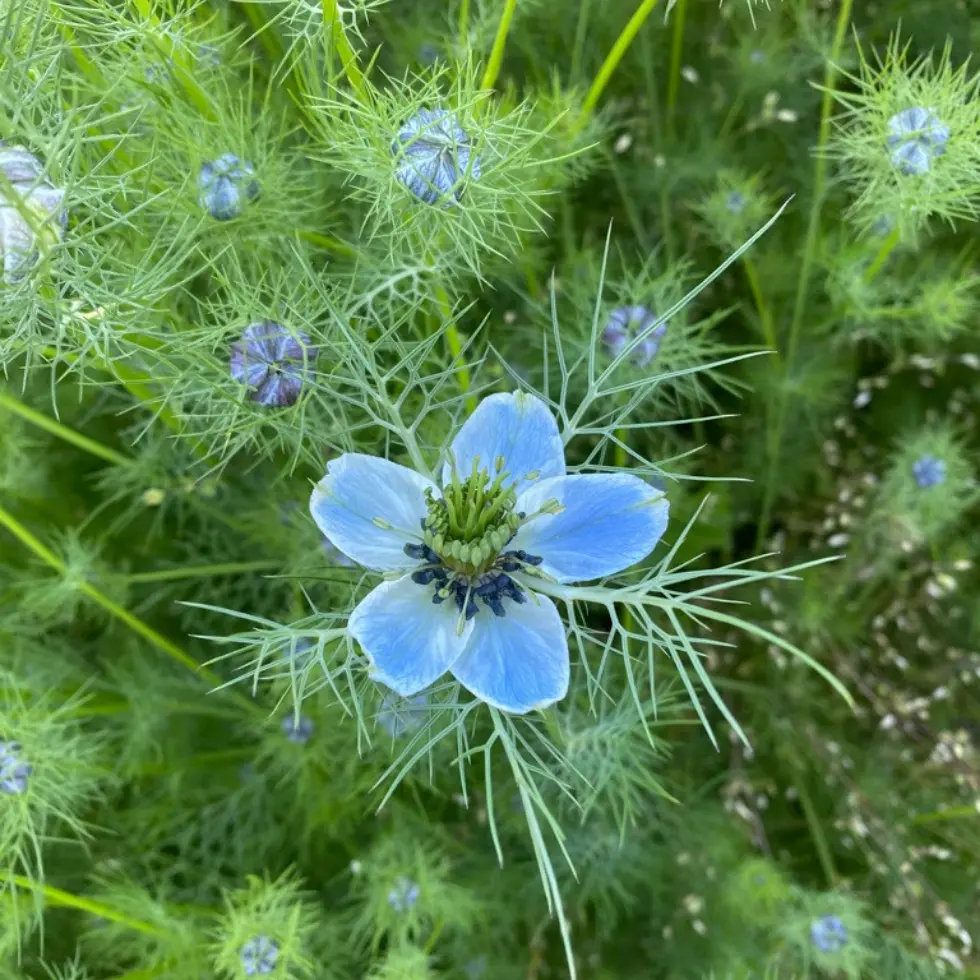
Nigella is one of our absolute favorite spring flowers because it offers multiple harvest opportunities from one planting.
Fresh, Nigella produces delicate blooms on sturdy stems that work beautifully in bouquets and arrangements. It also dries exceptionally well in silica gel, making it one of our favorite flowers for preservation.
But the real magic happens after the flowers fade!
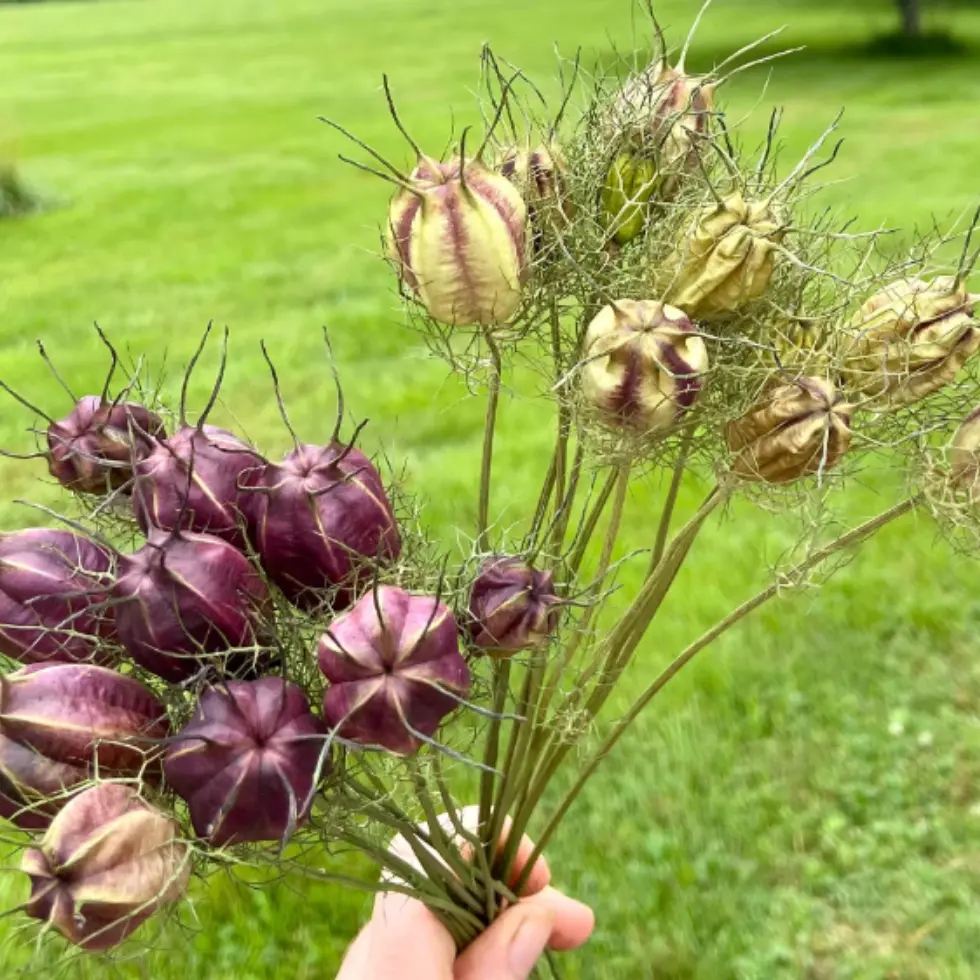
Nigella develops decorative seed pods that are incredibly popular for dried arrangements, wreaths, and seasonal décor. Unlike many seed pod crops, Nigella offers surprising variety. Depending on the cultivar, pods may mature into striped, green, or deep maroon forms—and interestingly, flower color doesn't always predict pod color. A white flower may produce either green or striped pods, so choosing the right variety matters if you're growing specifically for seed pods.
Once harvested, the pods dry beautifully while maintaining both their shape and color. Their sturdy structure makes them much easier to work with than many delicate seed heads.
Revenue opportunities: Fresh bouquets, silica-dried flowers, decorative seed pods, wreaths, dried arrangements, craft supplies.
Breadseed Poppies
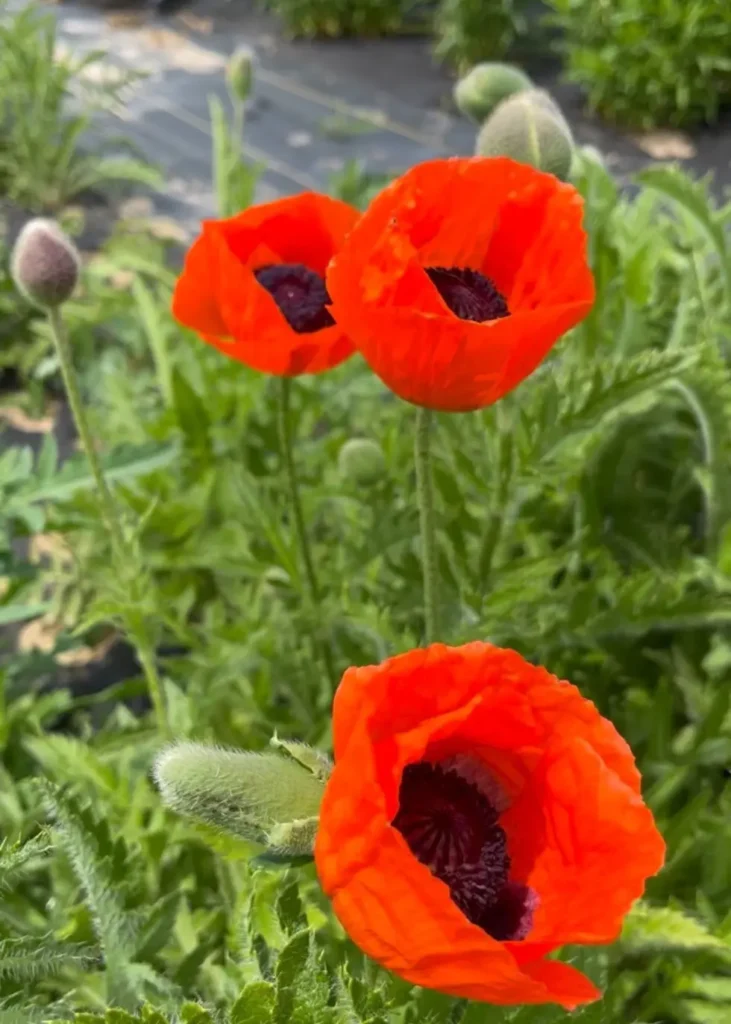
Few flowers are as recognizable as poppies.
Their papery blooms bring incredible color to the garden while attracting pollinators throughout the season. They're also wonderfully tolerant of drier soils, making them an excellent addition to many flower farms.
Once flowering has finished, poppies begin their second act.
The decorative seed pods are one of the most sought-after dried materials in floral design. They add texture, structure, and visual interest to arrangements throughout the fall and winter months.
If seed pods are your goal, variety selection is important. Many common red poppies produce relatively small pods, while Breadseed Poppies are grown specifically for their larger decorative seed heads and edible seed production.
Choosing the right variety allows one planting to produce both stunning spring flowers and valuable dried products months later.
Revenue opportunities: Fresh flowers, decorative seed pods, dried arrangements, wreaths, edible seed production (selected varieties).
Scabiosa stellata (Starflower)
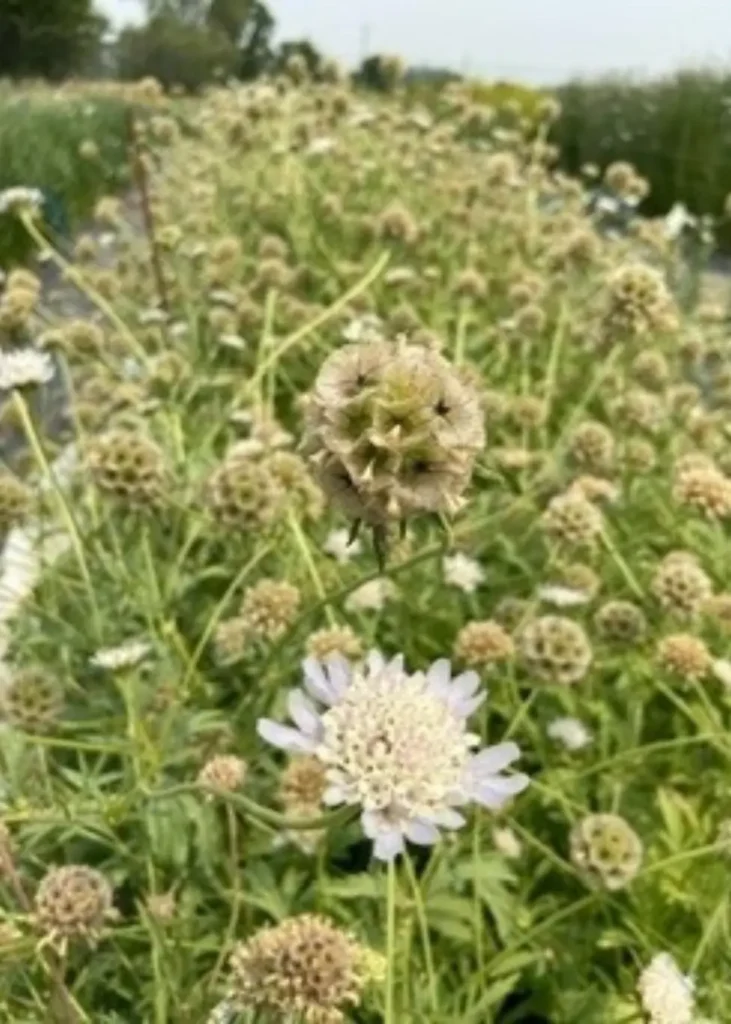
Scabiosa stellata quietly transforms from a lovely fresh flower into one of the most unique dried products you'll ever grow.
Fresh stems are sturdy enough for bouquets, boutonnieres, flower crowns, and other personal flowers where durability matters.
After flowering, the plant produces intricate, globe-shaped seed heads that look like something from a fairy tale. These architectural seed pods have become increasingly popular with florists and dried flower designers because they retain both their structure and their color.
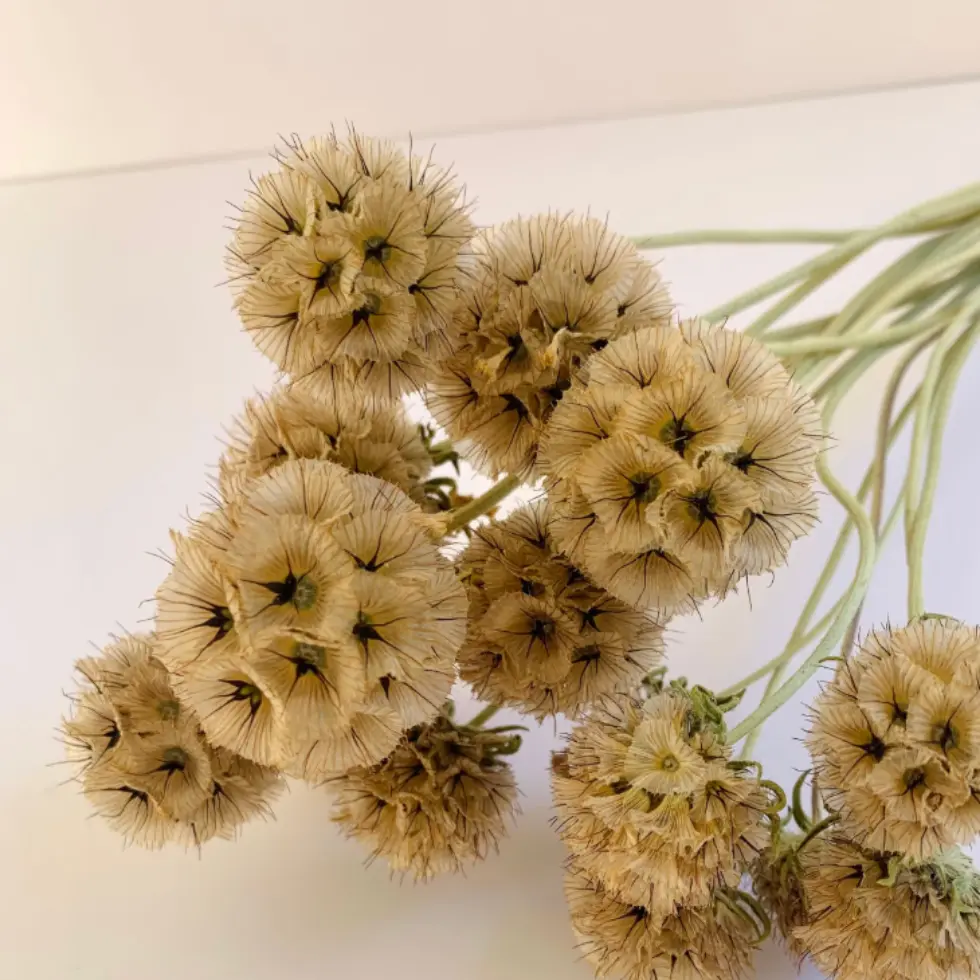
Unlike many dried seed pods, they don't shatter easily, making them excellent for wreaths, winter arrangements, and even painted holiday décor.
Revenue opportunities: Fresh flowers, boutonnieres, flower crowns, dried seed heads, wreaths, holiday décor.
Profitable Flowers That Dry Beautifully
Strawflower
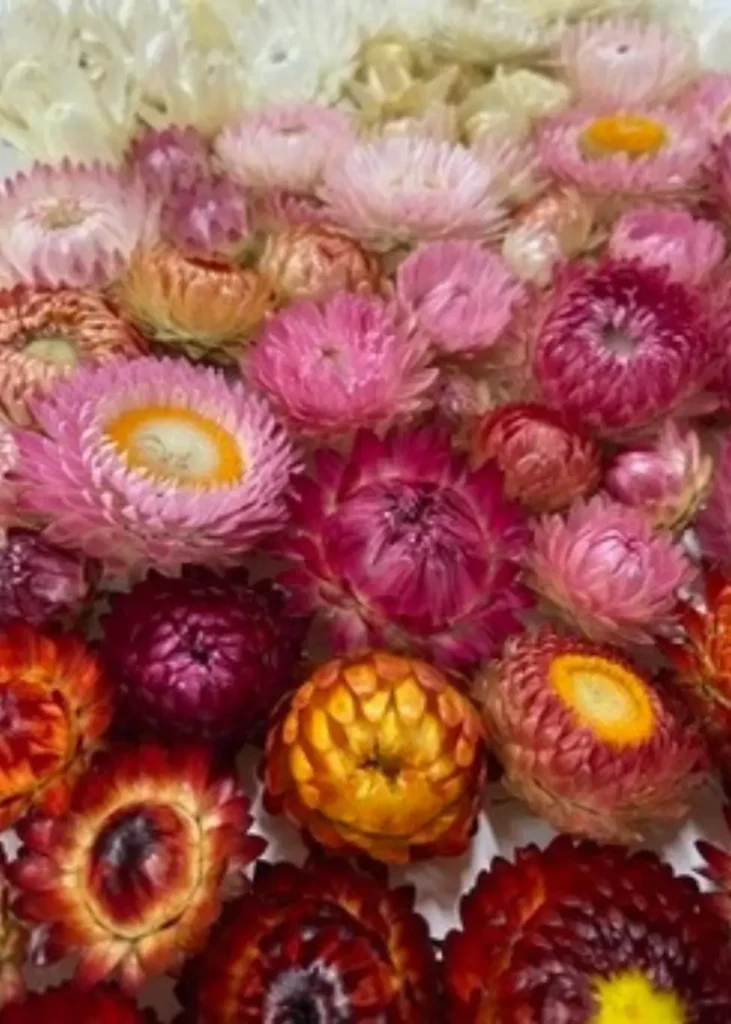
If we had to recommend one flower for anyone interested in dried flowers, strawflower would be near the top of the list.
Fresh, it's a workhorse bouquet ingredient with bright colors, excellent stem length, and very few pest problems. It's easy to grow, productive, and continues blooming throughout the season.
Once dried, strawflower becomes even more valuable.
The flowers retain their incredible color for years when stored correctly. They can be sold as full stems, individual flower heads, wreath materials, craft supplies, or incorporated into dried arrangements.
Very few flowers offer this level of versatility from one planting.
Revenue opportunities: Fresh bouquets, dried bouquets, wreaths, crafts, flower heads, home décor.
Gomphrena
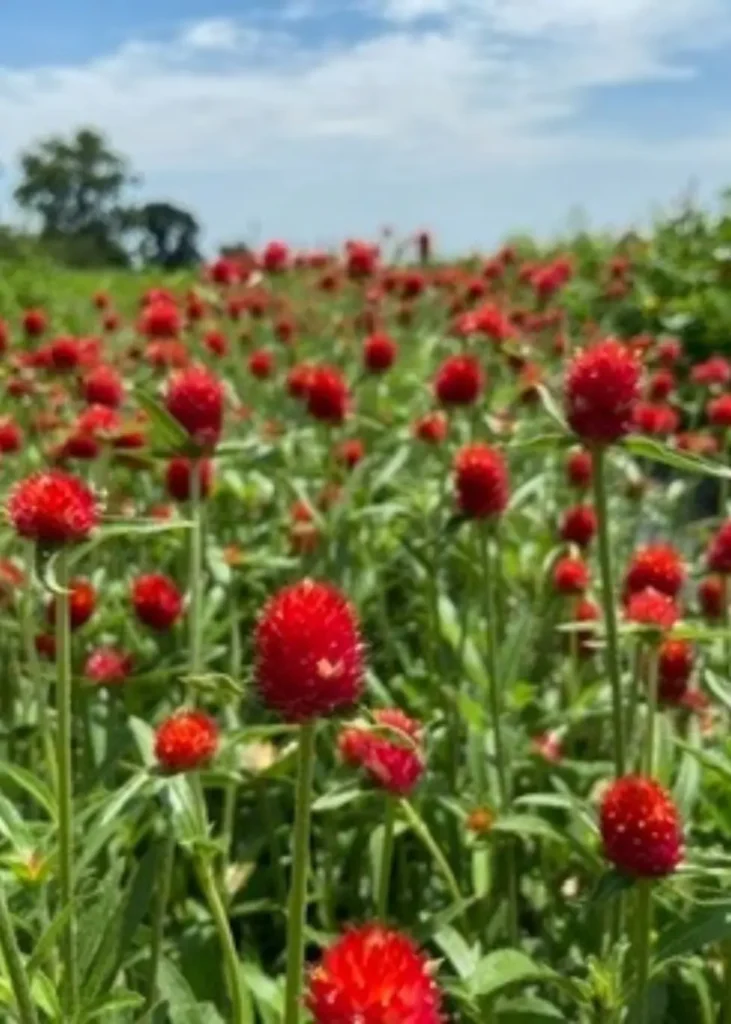
Gomphrena is one of those flowers that simply keeps producing!
As a cut-and-come-again crop, it flowers continuously until frost while attracting pollinators throughout the growing season. Its cheerful globe-shaped blooms bring texture and vibrant color to fresh bouquets.
Once dried, Gomphrena becomes a wonderful craft flower.
The flower heads retain their color beautifully, making them perfect for wreaths, ornaments, floral jewelry, and dried arrangements. We often remove the flower heads from the stems for crafting because they're easier to work with and remind us of colorful little gumdrops.
The biggest key to success is patience. Make sure stems are completely dry before storing, as partially dried stems can soften in humid conditions.
Revenue opportunities: Fresh bouquets, dried flowers, wreaths, crafts, floral jewelry, home décor.
Yarrow
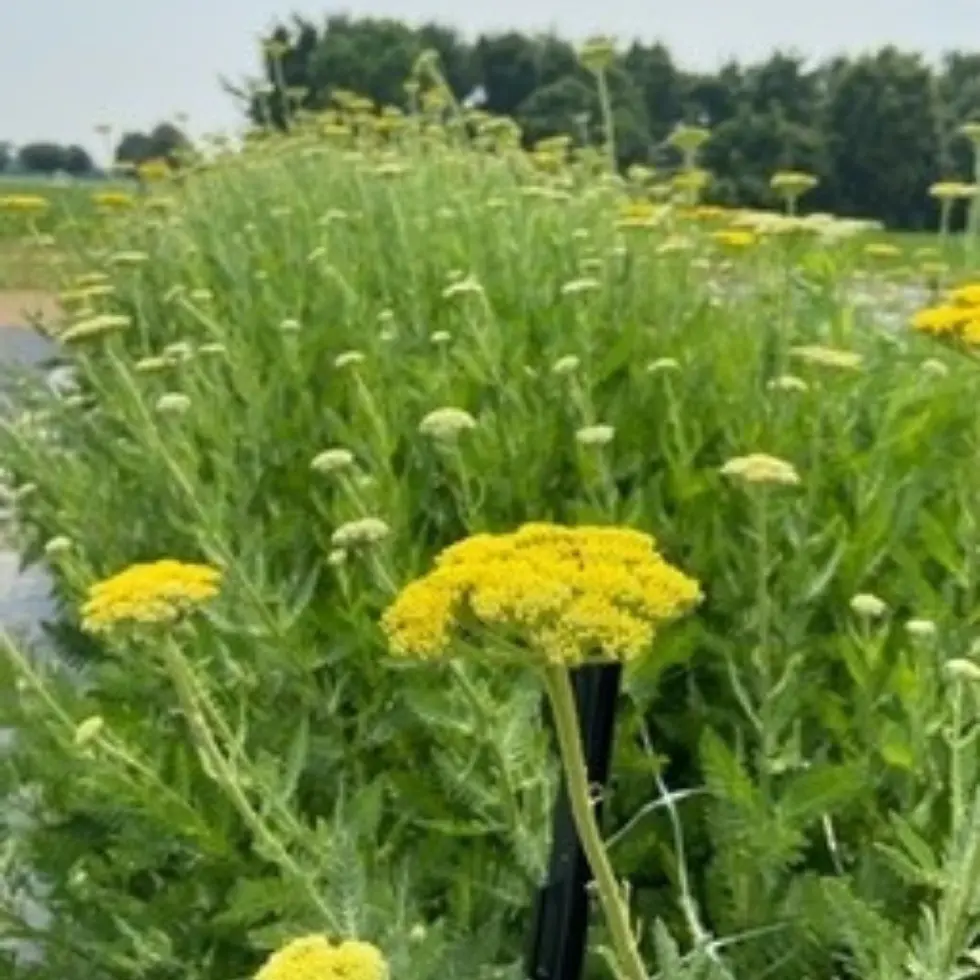
Yarrow has long been a florist favorite—and for good reason.
Its sturdy stems, long vase life, and pollinator-friendly blooms make it an outstanding fresh flower. It's also one of the toughest plants we grow, thriving in full sun while generally being ignored by deer and rabbits.
As a dried flower, Yarrow continues to shine.
It retains its color remarkably well, has strong stems, and works beautifully as both a focal flower and filler in dried arrangements. Whether you're making wreaths, bouquets, or centerpieces, Yarrow earns its place in nearly every project.
Revenue opportunities: Fresh bouquets, dried bouquets, wreaths, floral installations, home décor.
Celosia
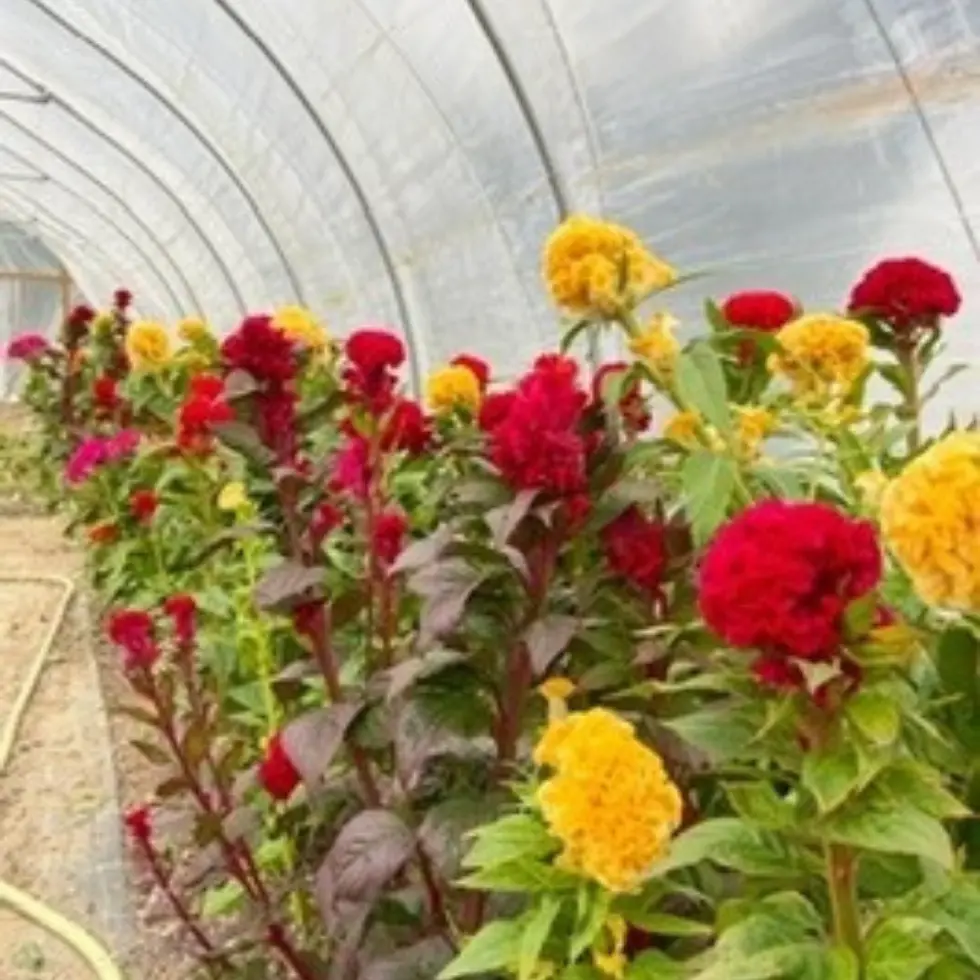
Celosia may be one of the most versatile flowers on the farm.
From feathery plumes to brain-like cockscomb varieties, there's a Celosia for nearly every design style. Depending on the cultivar, it works equally well as a focal flower or a textural accent in fresh bouquets.
Its versatility continues after harvest.
Many varieties dry while maintaining their bold color, creating dramatic additions to fall décor and dried arrangements. Timing is everything, though. Harvest too late, and the flowers begin producing seed, reducing both color retention and quality.
We harvest when approximately two-thirds of the flower has fully colored for the best drying results.
Because Celosia stems are thicker than many flowers, allow them to dry completely. If the stems bend instead of snapping, they need more drying time.
Revenue opportunities: Fresh bouquets, dried bouquets, fall décor, wreaths, craft supplies.
Lavender
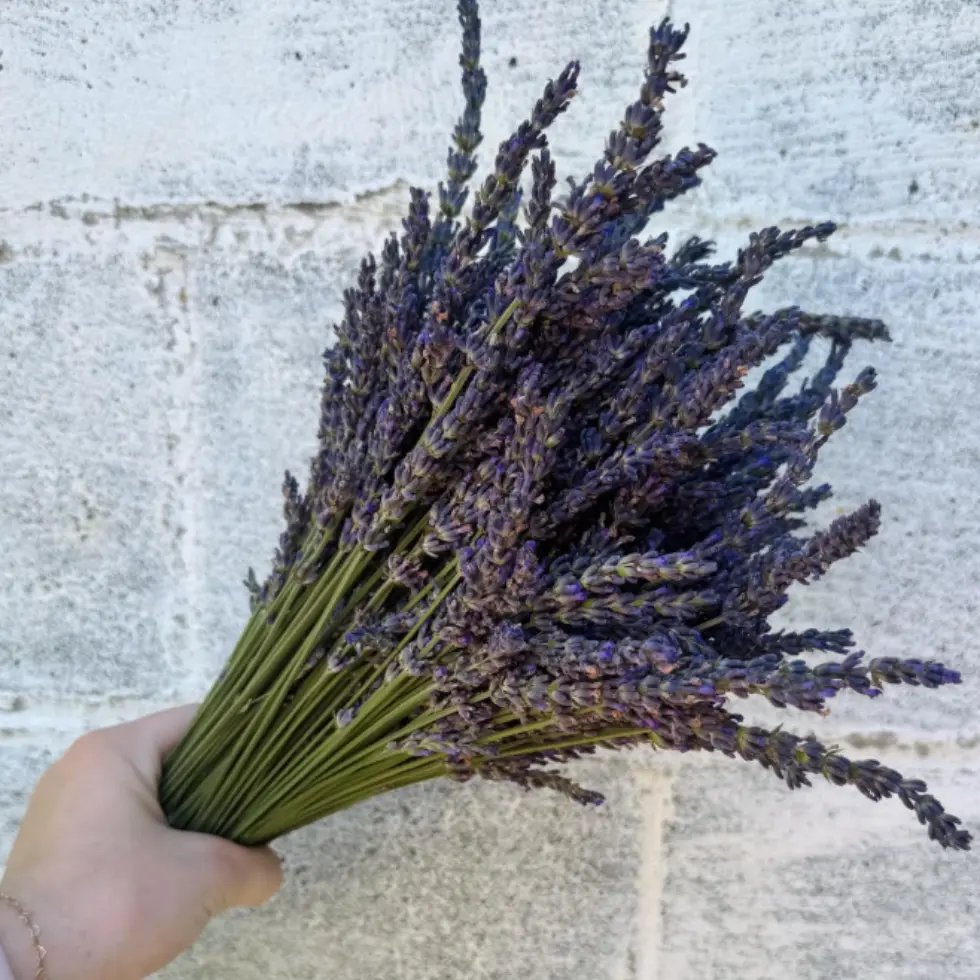
Lavender is one of the most recognizable flowers in the world, and its popularity extends far beyond fresh bouquets.
While fresh stems add fragrance and texture to arrangements, dried lavender often becomes the real income generator.
Many growers sell dried lavender bundles with no additional flowers because customers love the simplicity and unmistakable scent. It's equally popular in wreaths, sachets, bath products, drawer fresheners, home décor, and countless handcrafted gifts.
A single lavender planting can produce fresh flowers, dried bouquets, workshop materials, value-added products, and educational experiences for years after establishment.
Few crops offer this combination of longevity, versatility, and customer recognition.
Revenue opportunities: Fresh bouquets, dried bundles, wreaths, sachets, bath products, workshops, value-added products.
Why We Choose Multi-Purpose Flower Crops
One of the biggest lessons we've learned over the years is that the most profitable crop isn't always the flower with the highest price per stem.
Sometimes it's the flower that continues creating opportunities long after the fresh blooms have faded.
A fresh bouquet ingredient becomes a dried arrangement. A dried flower becomes a wreath. A seed pod becomes holiday décor. One planting can provide products throughout the entire year instead of just one growing season.
That kind of versatility helps maximize your harvest, reduce waste, and create new ways to serve your customers during every season.
As you plan your next garden or flower farm, don't just ask yourself what flowers are beautiful. Ask yourself how many different ways you can sell them!
Because every seed is more than just a future flower—it's future potential. The more ways a crop can serve your business, the more opportunities you'll create for year-round success.
Here's to planting with purpose, growing with intention, and making every harvest count.