Dahlia
Cream/Ivory, Lavender, Orange, Peach, Pink, Purple, Red, White, Yellow

Seasons: Early Summer , Late Spring , Late Summer , Mid Summer , Spring , Summer
Color: Blue , Cream/Ivory , Pink , White
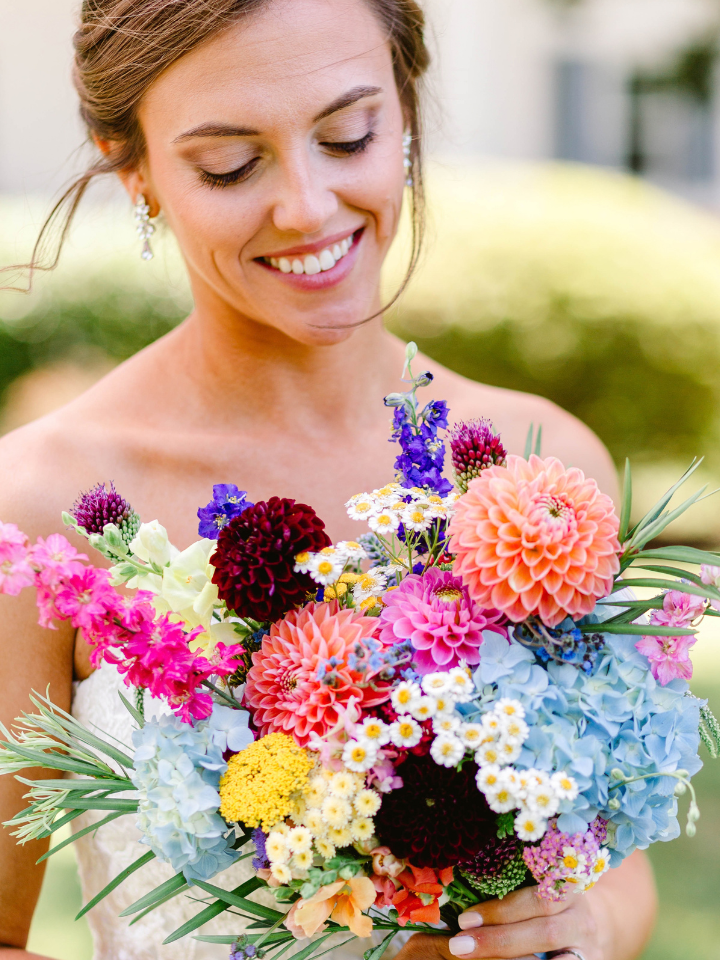
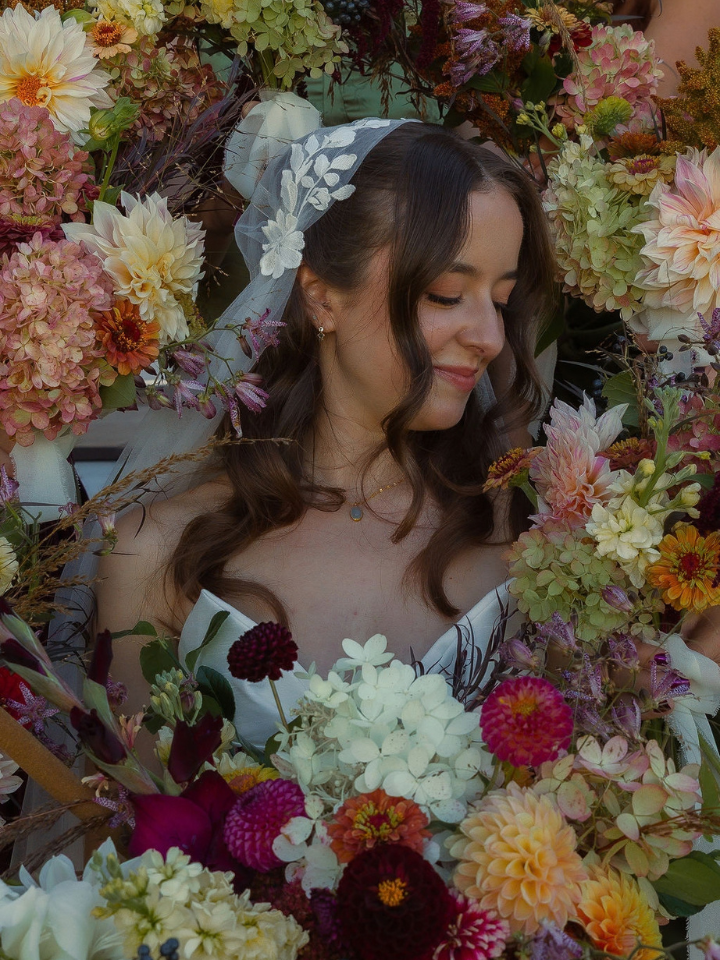
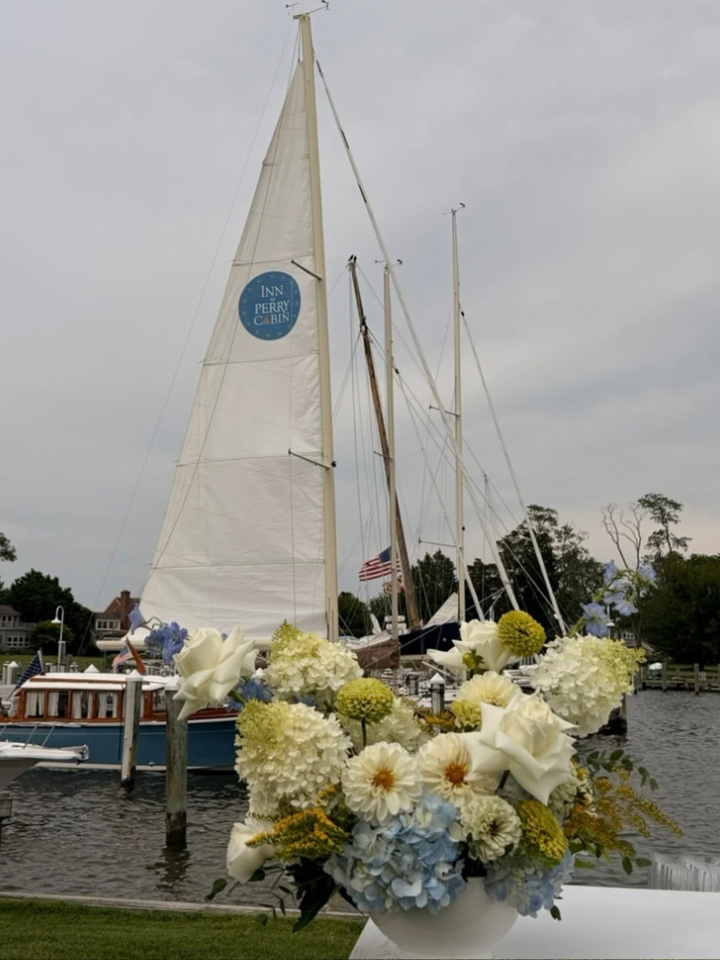
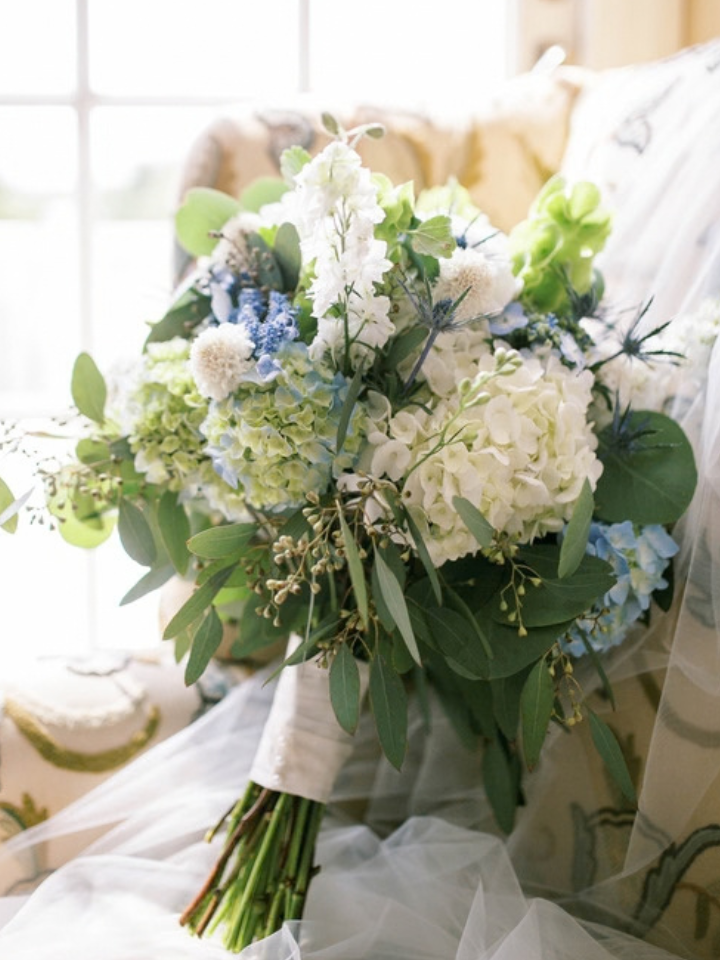
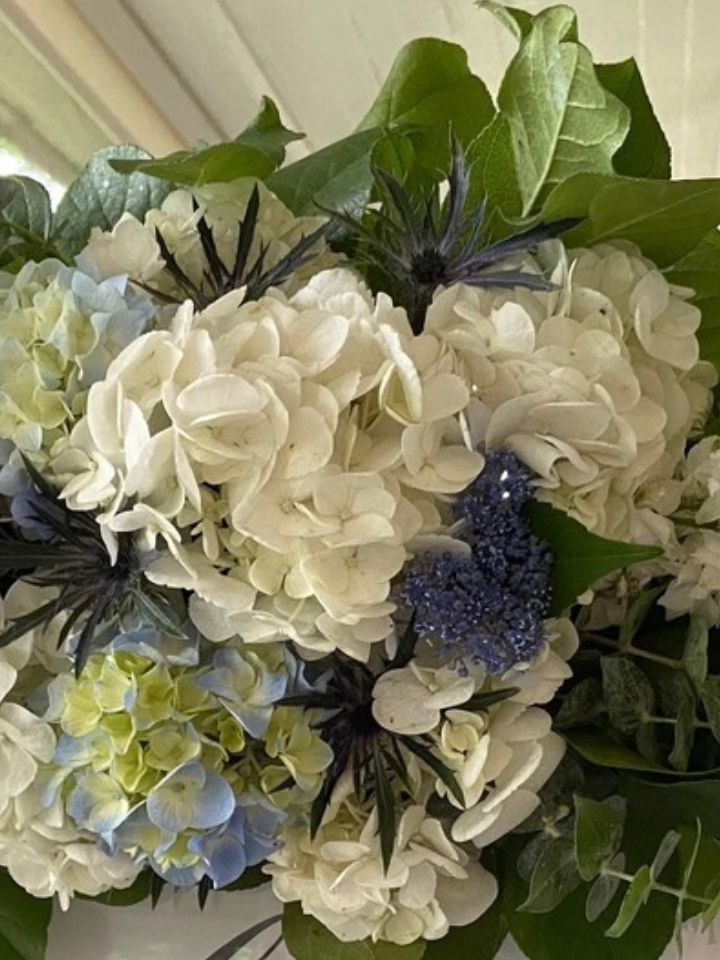
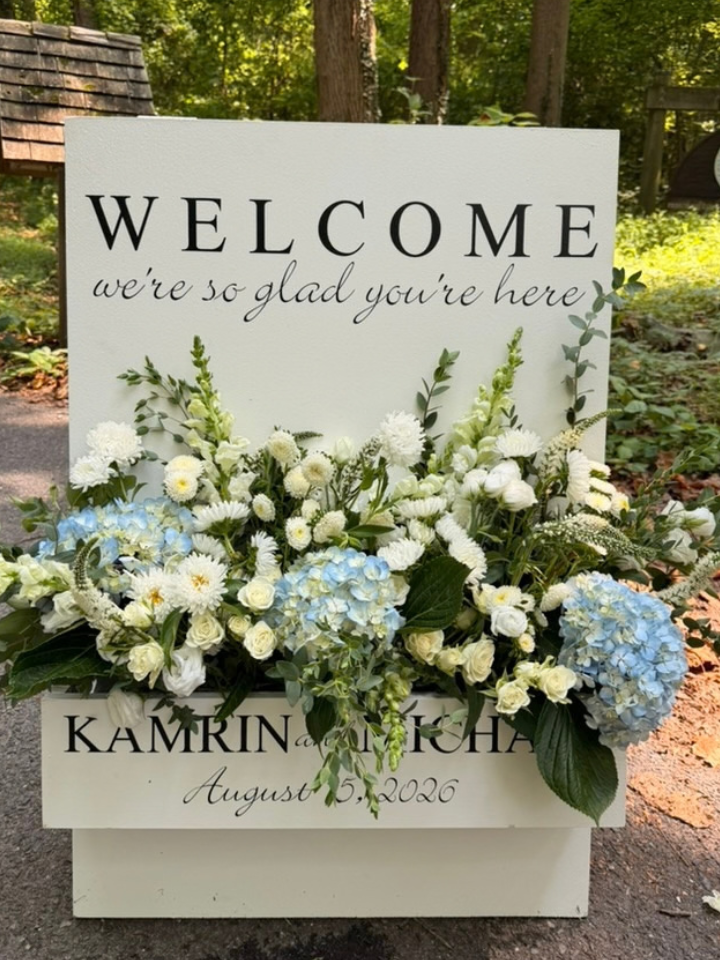
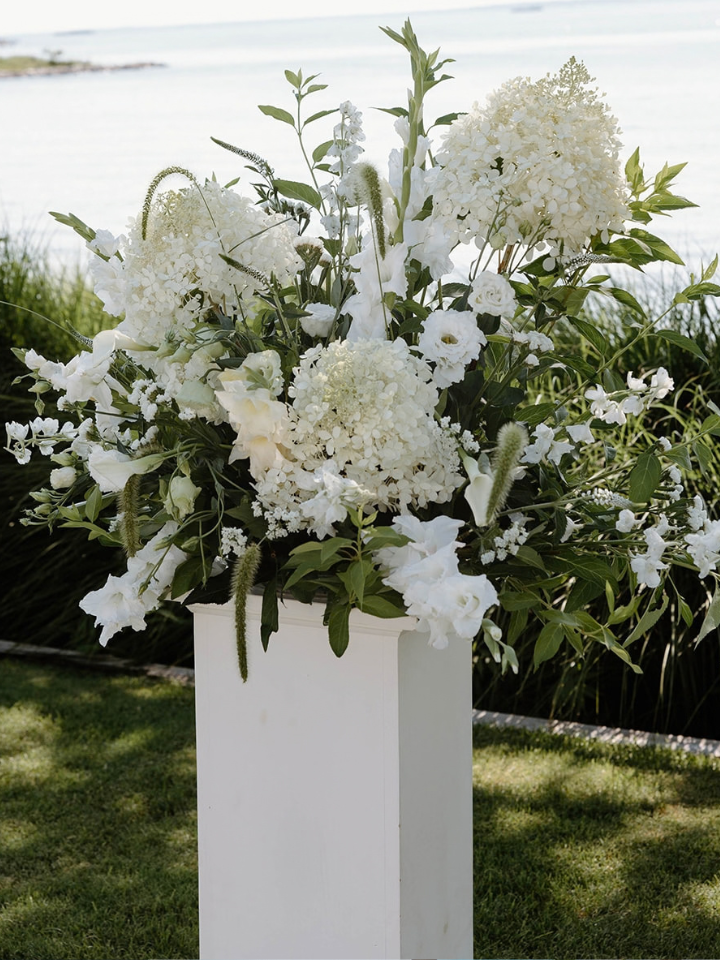
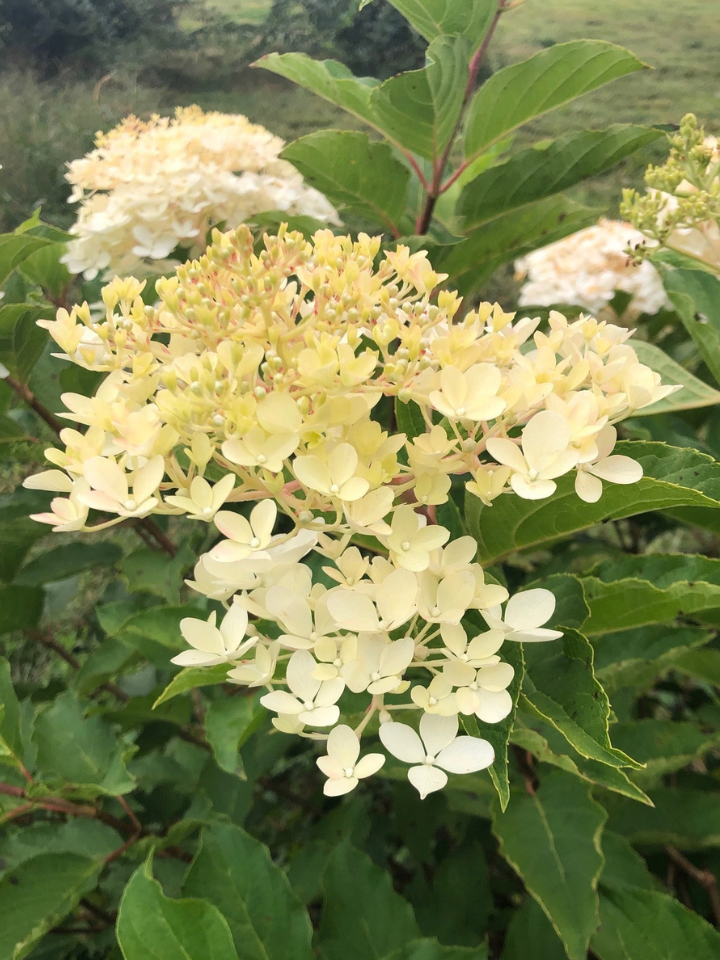
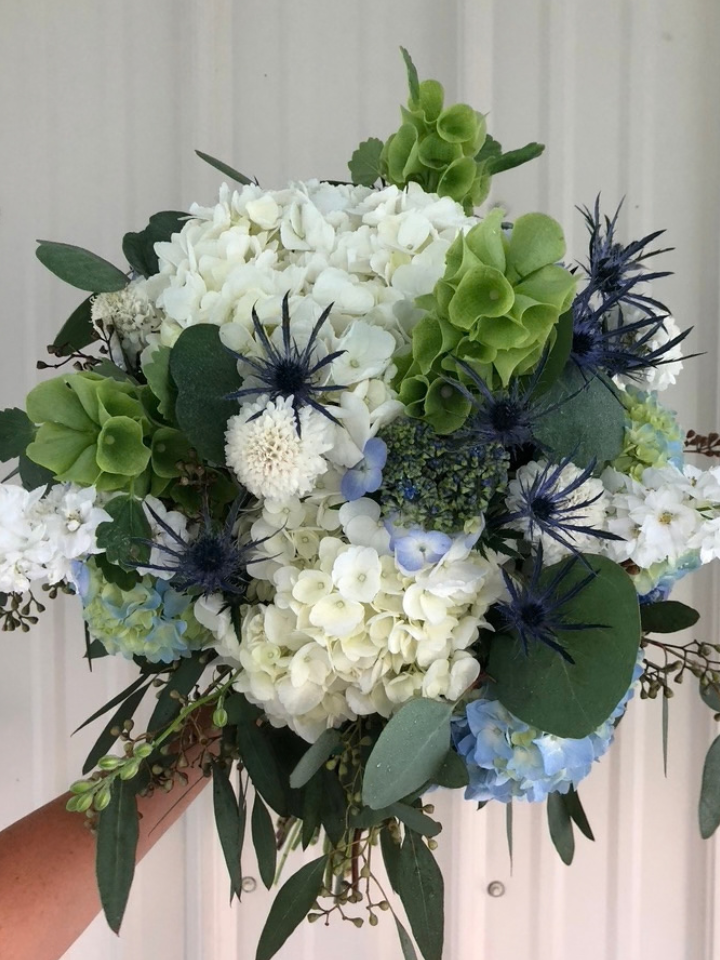
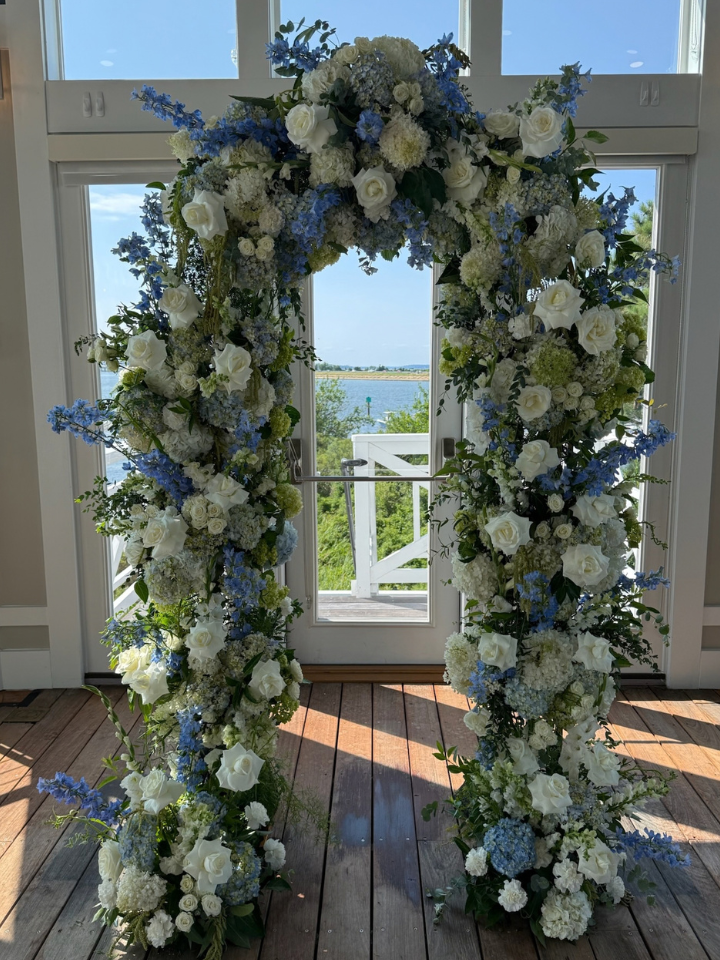
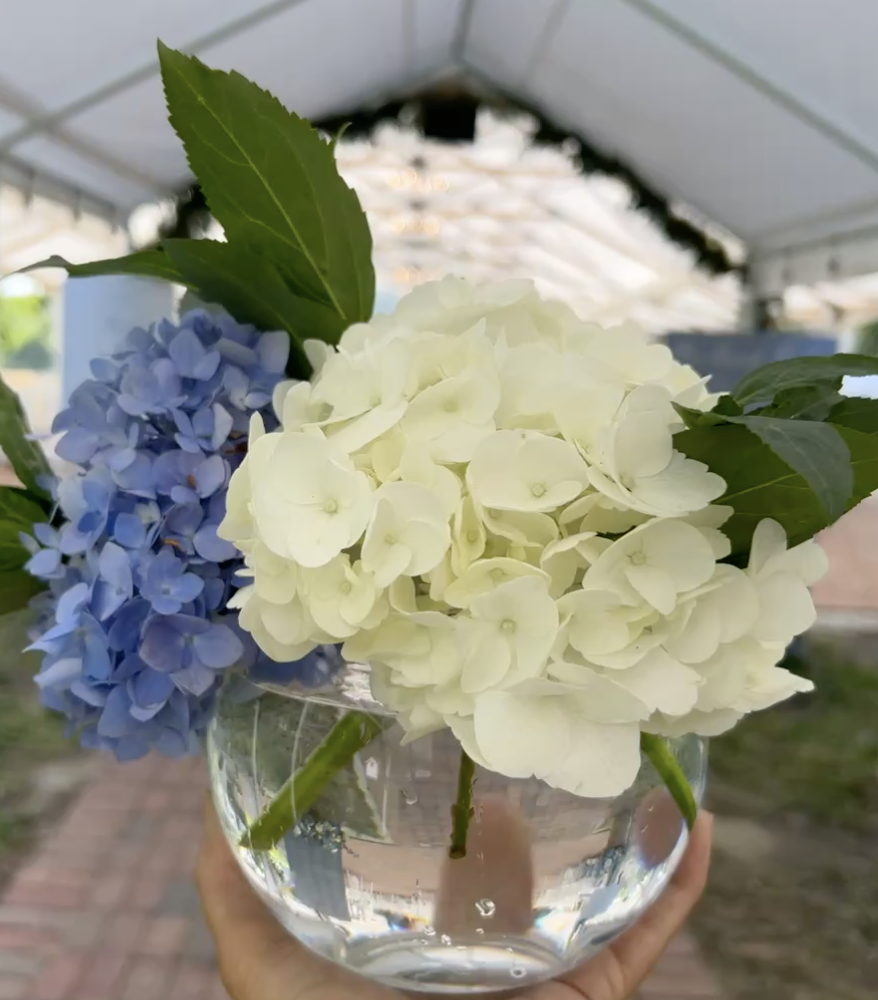
Hydrangeas are a summer favorite that we absolutely love for arranging and especially love to use in wedding work. Their large, full blooms add incredible texture and volume to any type of arrangement, making them perfect for bouquets, centerpieces, and statement pieces.
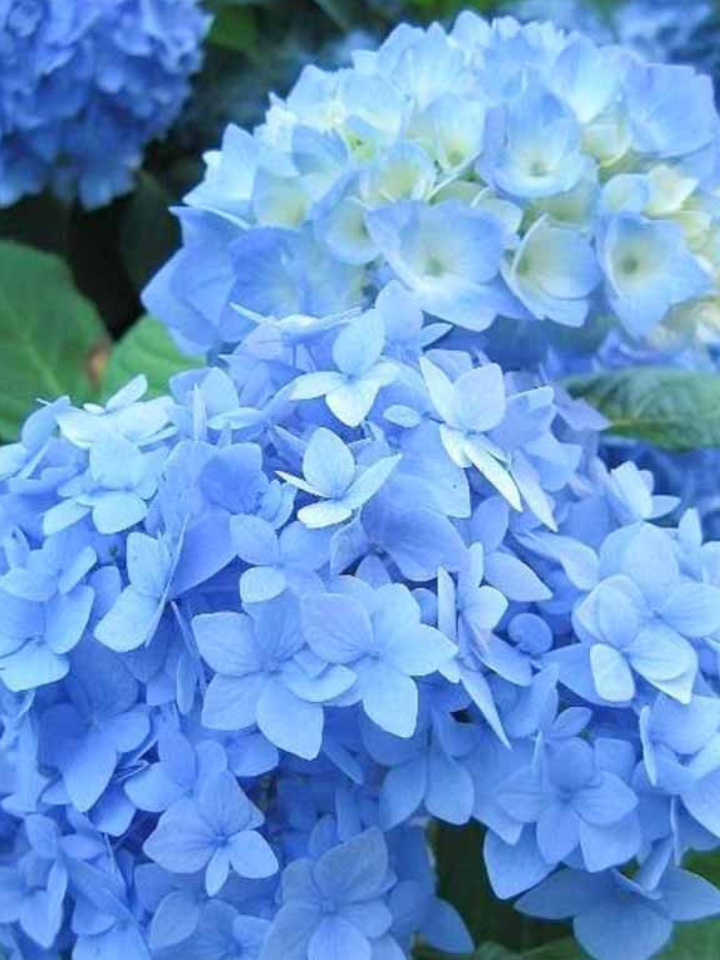
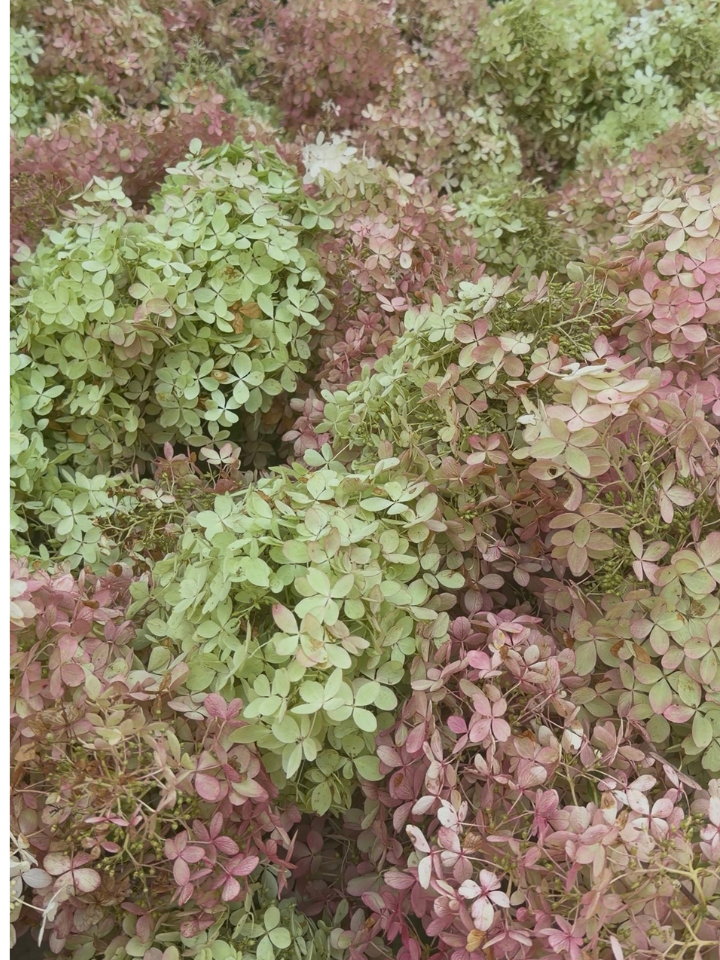
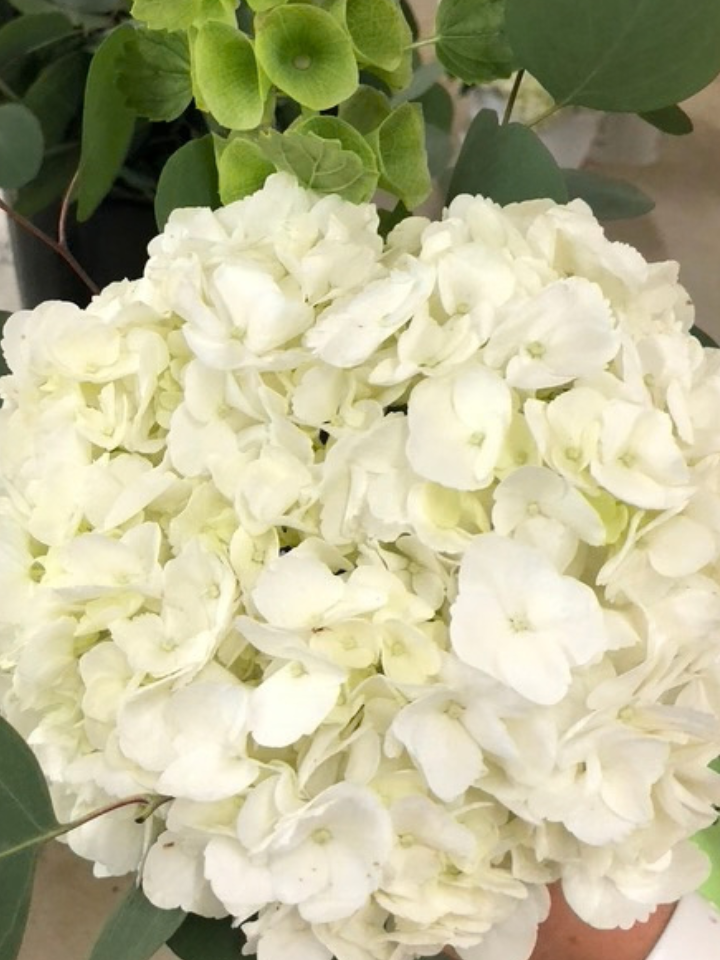
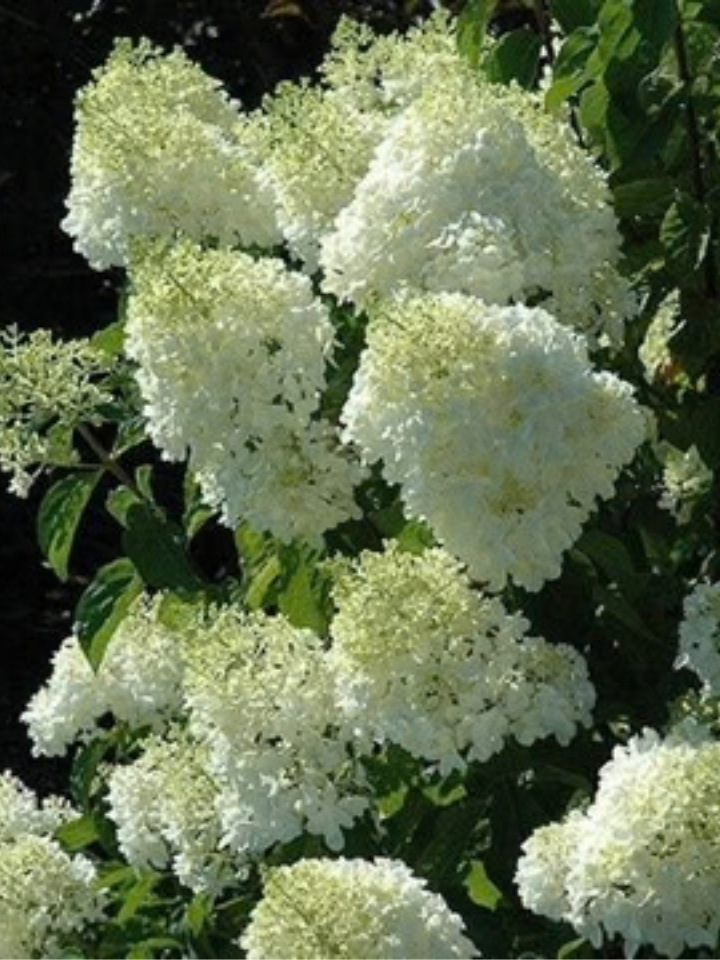
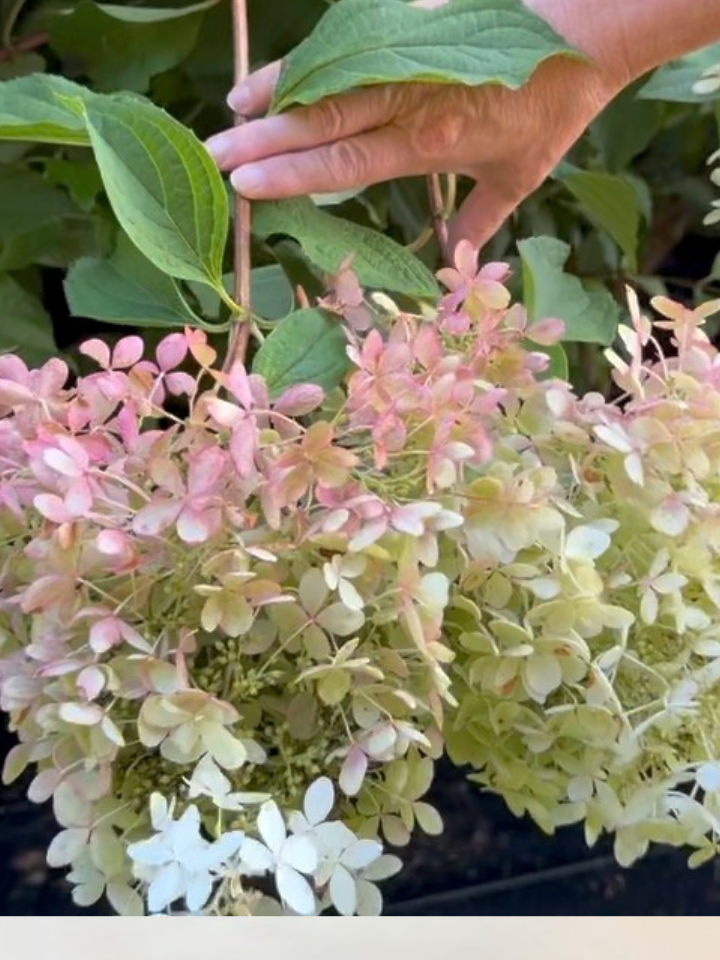
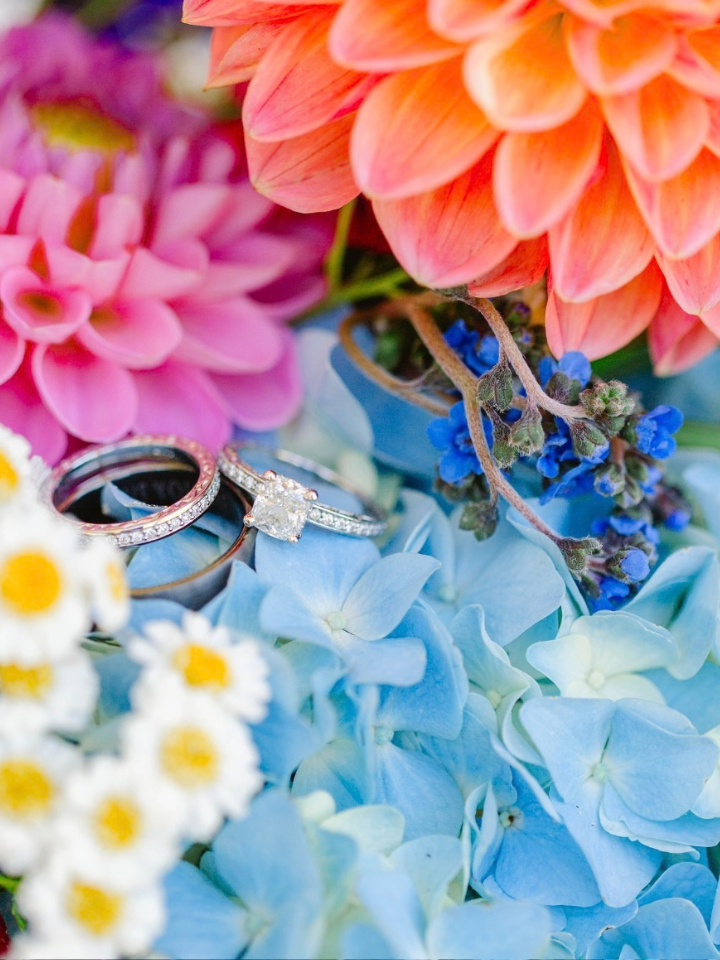
Available in a variety of shades of white, green, pink, blue, and beautiful antique tones, hydrangeas can also be enjoyed fresh or dried.
The name Hydrangea comes from Greek words meaning “water vessel,” a fitting name for a flower that loves plenty of water!
Late spring to late summer depending on the variety
Blue, Cream, Ivory, Pink, White
Perennial Shrub
1 Week +
A true workhorse in floral design, hydrangeas can quickly create shape, coverage, and a strong foundation for a design.
Hydrangeas are fairly easy to grow once established, but they love consistent moisture—especially during the heat of summer!